Author: Avidavr

  • Day 5: 28 Years Later (2025)

    Goal: Find a movie that everyone will watch for Halloween this year.
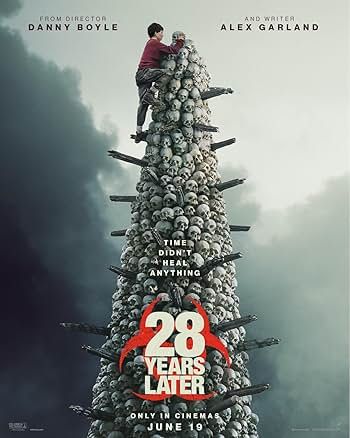
    28 Years Later (2025)

    What I know about it:

    I saw 28 Days Later twice, 22 years ago. There was nothing else like it at the time, and it was great. I was a big George Romero fan at that age, and I even made a short zombie movie as part of my senior project in college. It was called Oh, No! Zombies!!! and was 45 minutes long. I kind of resented 28 Days Later because there were absolutely no zombie movies coming out at that time, and I felt very protective of my own private toy.

    I finally watched 28 Weeks Later (2006) back in March and had a revelation: fast zombies seem very weird in 2025. We now know what zombies are like — they’ve been around in everything from The Walking Dead to Game of Thrones. We’re used to zombie tropes, and it just seems strange now that there is exactly one zombie franchise that thinks it makes sense for zombies to move faster in decay.

    28 Weeks Later arguably did not work. It has more great ideas than any zombie movie since George Romero first injected new life into the genre 50 years ago. But the internal logic was borderline nonsensical, and characters trended toward making inexplicable decisions. It’s the kind of movie that will be great once properly remade (and perhaps remade again).

    The pictures from 28 Years Later look phenomenal. 28 Weeks Later seemed kind of like a throwaway movie that somehow got people to really like it. 28 Years Later seems like a very important movie to Danny Boyle. He stepped in to direct this himself. He’s tried to make Oscar-caliber movies for years, with nothing panning out for a while. I believe he saw this as something that had true potential if it was done the right way — and he didn’t want to leave that to anyone else. (I think the flaws of 28 Weeks Later are easy to see, even if you really like the movie.)

    After the movie:

    Bra. Vo.

    If you’re looking for a movie that’s a visceral artistic experience — every sound and visual image contributing to an intense wave of beauty — this is the kind of movie you’re looking for.
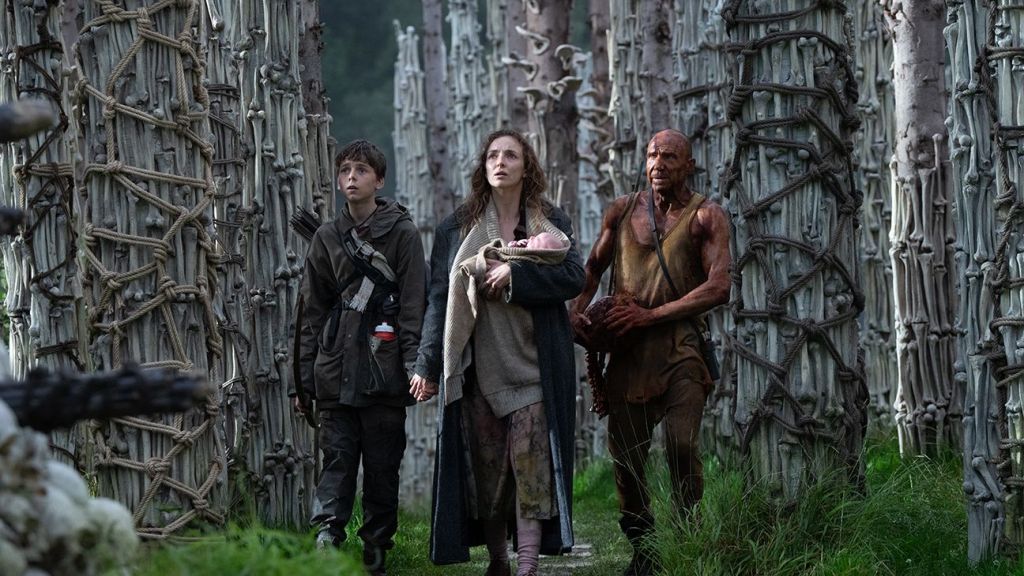
    Watching 28 Years Later reminds me of watching hanabi taikai, Japanese firework shows. I once watched the Katakai Fireworks Festival (on YouTube) during a down period in my life. The experience — seeing one 15-minute firework show curated like a living garden, set to music — created this splash of joy that made me feel artistically satisfied. One 15-minute show after another, lasting over two hours. There was no plot, but artistically it could not have made any more sense. 28 Years Later is akin to that, with artfully considered zombie splatter gore.

    This is a child-on-an-Odyssey movie, a strangely under-seen genre in cinema. It has infinite potential, and when done well, it produces many people’s favorite films (The Wizard of Oz, E.T., The NeverEnding Story, Spirited Away, Pan’s Labyrinth, The Iron Giant). Pixar, strangely, rarely makes a true child-on-an-Odyssey movie, other than Coco, which I hate.

    The story is about 90% unintelligible to Americans — which I think is a point of British pride to Boyle and many others who live in that tiny segment of the world. I watched this movie with tiny subtitles, which I couldn’t read quickly, so they were of little use. The brilliance here is that you don’t need to understand the words or sentences to follow the plot. At a certain point, Ralph Fiennes enters the movie, saving the day for most Americans who will finally understand a bloody thing one character is saying.
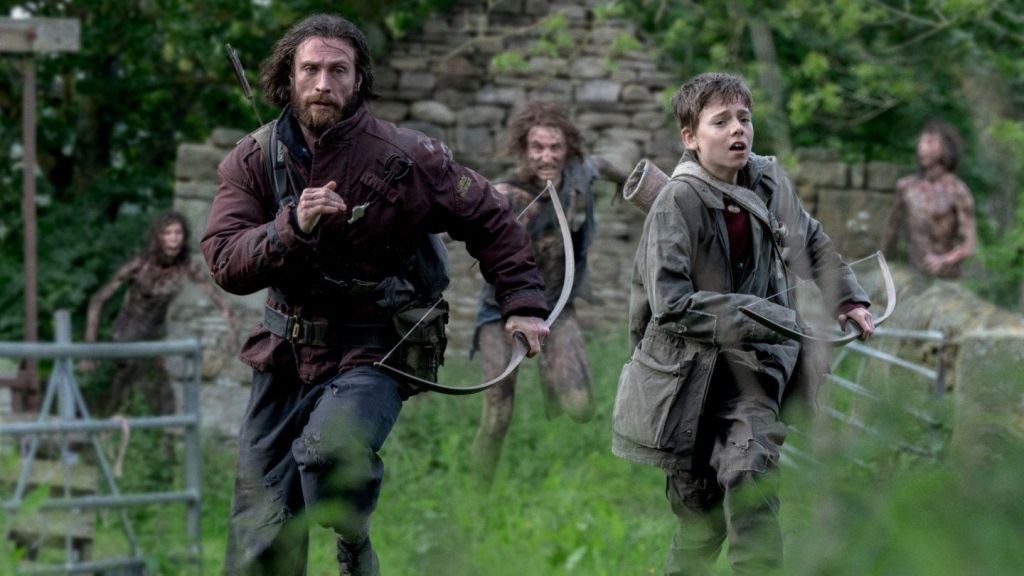
    This is bravura direction. Every moment is beautifully realized, and the actors inhabit their roles with confidence, understanding what truly matters. The world is shit, but twelve-year-old Spike has nothing to compare it to. The world is full of the diseased, but the only ones who matter to him are his family.

    The movie begins with a room full of little children watching Teletubbies, likely in 2002 — when the world first forever changed. Seeing the world kept to that blueprint, one that knew progress only up to the year when DVD players were all the rage and smartphones had not yet been realized — the world saw very little progress to be undone compared to what we know now. I’m actually a little jealous of the inhabitants of 28 Years Later. If I didn’t have an Android phone in my hand 18 hours a day, I would not know how to do anything.

    The cinematography is as good as you’ll see in a motion picture this year. The editing is extremely strong, stylized in a way that makes sense alongside Danny Boyle’s earlier work. But the MVP here has to be the score, written by the band Young Fathers — a Scottish experimental hip-hop group that’s largely unheard of in the Western Hemisphere. I know of them but never connected with their music in a way that made me want to return to it. I now feel like I was mistaken. The sound of 28 Years Later feels timeless and universal. It sounds equally like the year 2025 and like there is no time at all. This is how gods would likely score a story — with drama and ephemeral curiosity.
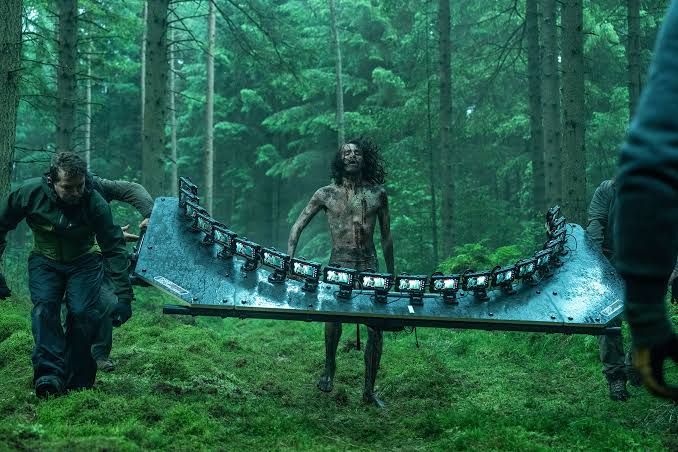
    28 Years Later is about accepting true death. The sadness isn’t losing everyone you know to a zombie apocalypse; it’s losing someone you love to one of the stupidest, most mundane ways to go. Cancer. The Big C is alive and well in a world that makes becoming doomed by the rage virus seem merciful.

    This is as good a zombie movie as you could possibly make. Whether you’ll like it is another matter. This is museum-quality art, which means it doesn’t care what you think of it. I loved it, but I am weird.

    Like the best hanabi taikai, it flares, fades, and leaves you staring at the afterimage — in awe and grateful that something so immediate could feel so eternal.

    9/10
  • Day 4: Eraserhead (1977)

    Goal: Find a horror movie I am embarrassed to have never seen.


    Eraserhead (1977)

    What I know about it:
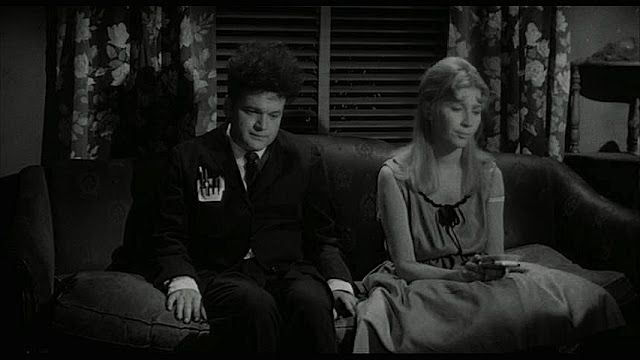
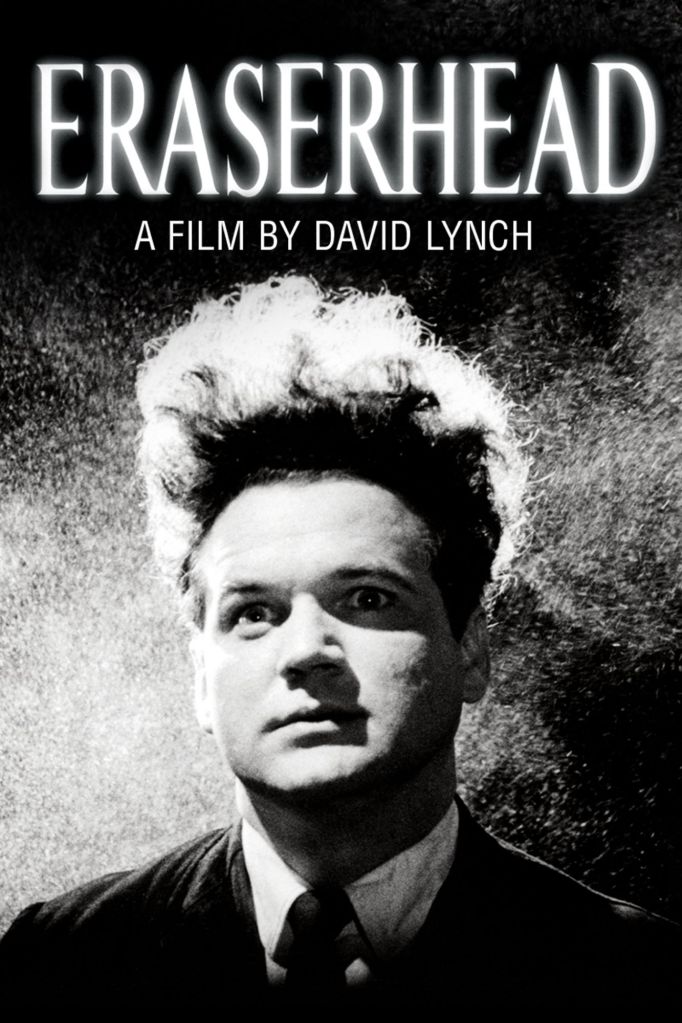
    A black and white horror movie from the same guy that did Twin Peaks and Mulholland Dr. RIP. This has a very strange trailer that I can’t remember, and I saw it last week. Long static shots of a guy with a high-cut hairstyle looking blankly at the camera. Ok, now I’ll read the premise on IMDb.

    So this is a survival movie. “Henry Spencer tries to survive the screams of his newborn mutant child.” Shouldn’t those adjectives be in reverse order? Does Henry have a mutant newborn child, or does he have a newborn mutant child? Describing the child like that makes it sound like some sort of irregular baseball card, or like he came with a set of superhero clothes. “Mutant Child here! Now with a detachable umbilical cord and noise chip!”

    As someone who regularly saw the grosses for midnight movies nationwide, this was one of the standards, particularly in New York and California. If you specifically like watching cult or midnight films, you have already knocked this off your list long ago. I don’t know what it is, but it’s the type of movie that I want to know as little about as possible.


    After the movie:
    Hair in the 1970s. You couldn’t mess with it. Today, if someone looked in the mirror and said, “You know, my hair kind of looks like a pencil eraser,” they would then get clippers and a pair of scissors and cut it down until it seems like the average length trending right now. But in 1976, that length was inches, which equated to a white man afro on some unlucky men. So all you could do was look out the bedroom window from the fetal position and sulk.


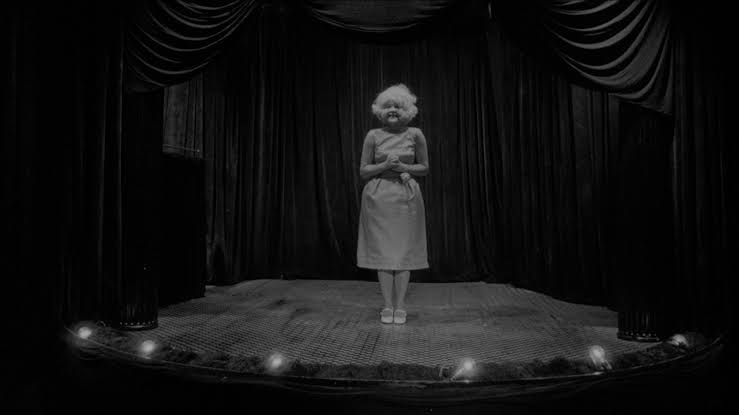
    The terminology “newborn mutant baby” is definitely accurate. It isn’t a mutated normal baby. It is a normal mutant baby, with a head that looks curiously like a human elbow. David Lynch deserves some sort of medal for comedy for playing such a long game for such a minor joke. Blink and you’ll miss it.

    I watched this with Josh, who seemed to mostly agree with me on Dead Calm. With Eraserhead, he realized it was boring and considered leaving 30 minutes in. “This movie is just *dull*. People in 1977 watched this because there wasn’t anything else to do.” He never left the room and watched the screen the entire time. He said he kept waiting for it to get better, although I think just enough new things happened to—not keep him interested, maybe—but to keep him from becoming bored out of his mind.

    I realized while watching this: mostly, this was an extremely influential movie for certain directors. It is clear that Barton Fink, which won the Palme d’Or in 1991, was about 70% Eraserhead when the Coen Brothers thought out what to do for their fourth feature film. Is it a drama? Thriller? Comedy? The decision to give it the biggest award was unanimous, which is as if they were saying, “Bravo. We saw Eraserhead, too.”


    This was pre–the mutated creature film boom of the late 70s and 80s, from directors David Cronenberg, John Carpenter, Joe Dante, Ridley Scott, et al. The stop-motion and practical effects were influential on many 1980s films. David Lynch figured out how to take the effects used in Jason and the Argonauts and claymation movies and do them on a next-to-nothing budget. The sequences don’t last long, but the effect feels straight out of Beetlejuice a decade later. The body imagery, which includes a rib cage split open, feels right out of John Carpenter’s The Thing.

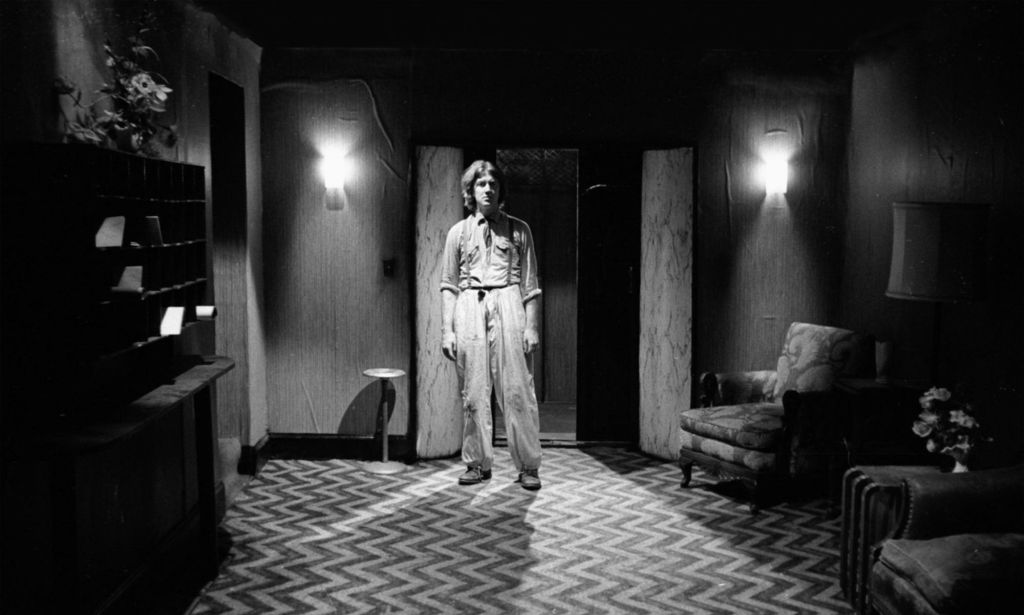
    If the film is about anything, it is the crushing routine and existence of working-class, industrialized city life. Henry Spencer lies down and looks out his bedroom window, and then we cut to his perspective and see what it is he sees. When someone’s bedroom has a contender for “world’s worst view,” I always think, “How did he get stuck here? Henry must be the worst person alive at finding a job. Or the worst at finding an apartment.”


    I always assumed Angelo Badalamenti specialized in 1950s jukebox-style music, which is where the strange lounge act aesthetic came from in Blue Velvet, Twin Peaks, et al. But no. That seems to mostly be Lynch’s idea as the origin point. The song here, “In Heaven,” was mostly written by the man himself. I like to think he started with this idea just to find something absurd to be “the mutant squish-y” song, and then he just decided to keep that style and really commit. The Twin Peaks aesthetic started here, in this bizarre, dark horror movie that no one was supposed to see.

    Because Eraserhead is must-see cinema. For anyone who grew to love David Lynch for Twin Peaks or Mulholland Dr., this is where a surprising amount of his craft was first seen. I could name 30 movies now considered classics released in the next 20 years that were directly indebted to Eraserhead. The entire 1980s cult movie genre was trying to be the next Eraserhead!

    9/10

  • Day 3: Paranormal Activity (2007)

    Goal: Find a horror movie that everybody loves.

    Paranormal Activity (2007)

    What I know about it:
    I just watched five seconds of the trailer. Oh no. This seems like a movie I tried to watch a couple of years ago called Amityville in Space (2022). I tried to watch along with the podcasters at The Flop House—fellow Earlham grads—who pick bad movies and talk about them. Amityville in Space was the lowest-budgeted movie they ever did. It was filmed entirely in the director’s house, with some incredibly cheap, brief special effects slipped in.

    I also know Paranormal Activity is the most profitable movie of all time—making $193 million on the budget of a used Honda Civic with 90,000 miles on it. I’m a big fan of movies by first-timers working without a budget, but I suspected I might hate this. It came out a little too close to “Ghost Hunters*, the most boring show of all time (to me). Those shows were about as scary as an improv comedy performance without jokes. The only thing scary was their acting.

    Shortly after I started this:
    Maybe I overestimated how much people loved this movie. It’s always mentioned on “most important horror movies” lists, but its audience ratings are kind of low compared to The Conjuring, which I also never saw until this year. Five minutes in, and I regretted my decision?

    After the movie:
    I’m surprised because I really liked this—almost. It isn’t worth talking about the ending, because the entire movie was building to something… and I don’t think the filmmakers quite knew what that was.

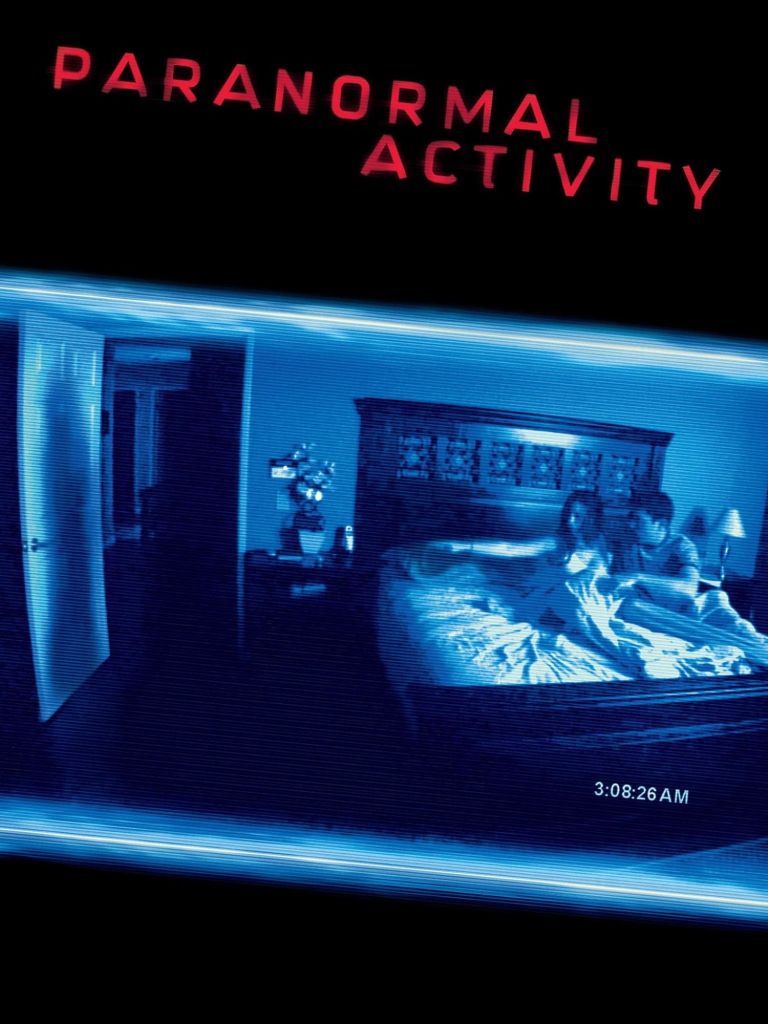
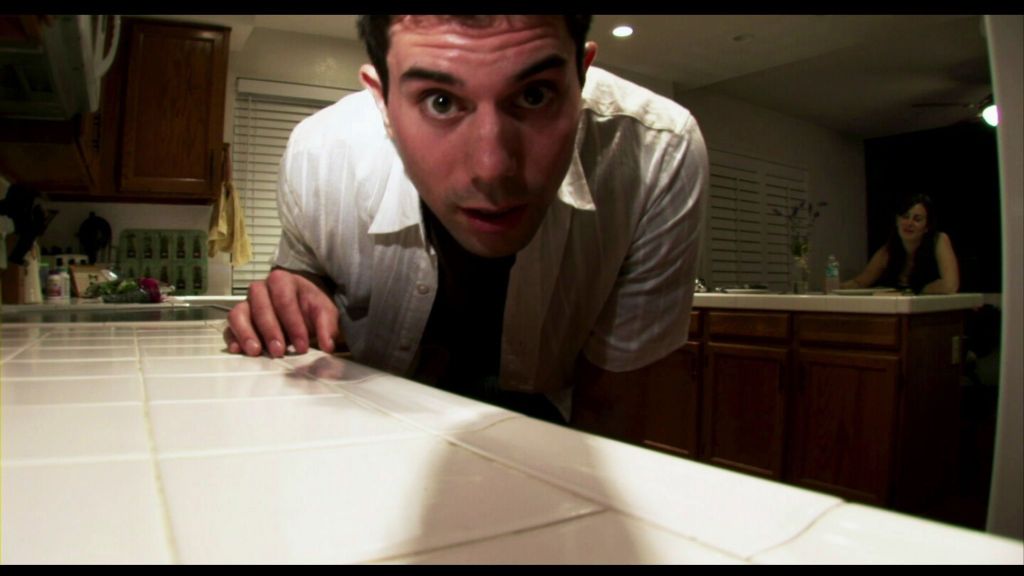
    Still, it was extremely watchable for a no-budget production. Like some friends converted their grandparents’ house into a creep-a-thon haunted house that’s invite-only. It isn’t high art, but it’s thrilling and captivating. You keep wondering: What is that strange sound? Did they hear that? What’s going to show up on the time-lapse footage? Is this a haunting or something psychological? What’s going to happen with that dust they spread everywhere? A Ouija board?

    The movie succeeds mostly because it feels like every relationship between a young heterosexual couple in 2007. Back before iPhones, when FireWire was king, and the 62-inch TV in the living room weighed 150 pounds and displayed color only if you sat at the right angle. Camera tech had finally made it possible to film everything in your house, and that novelty gives the movie its weird realism.

    One genuinely real-couple moment: even though the husband has just spent several months’ salary on camera equipment—and even though Katie is the kind of freak who does things that are illegal in half a dozen states—they decide to keep the cameras off during their alone time. I think they’ll one day regret that decision.

    At its core, Paranormal Activity is about having a romantic partner who doesn’t tell you everything. No matter how sweet they are or how in love you’ve been, what if there’s something truly wrong with this person that they never told you about?

    “You didn’t say it on the first date. But it’s something you could’ve brought up on the fifteenth date. Or the thirtieth date.”

    How much baggage can the nice guy carry? Is it ever acceptable just to leave?

    Paranormal Activity is a novelty that has aged much better than it probably should have. It captures a moment in time that could only have existed within a two-year window. It shows a couple’s struggle so universal and normal that it’s easy to ask, “What would I do if this were us?”

    This isn’t a true story—and I’m not sure anyone ever believed it was—but it feels real. You know where a story like this is heading, and some things are inevitable.

    6.5/10

  • One Battle After Another (2025)

    Modern day America set in a slightly dystopian alternate reality? Could it work?


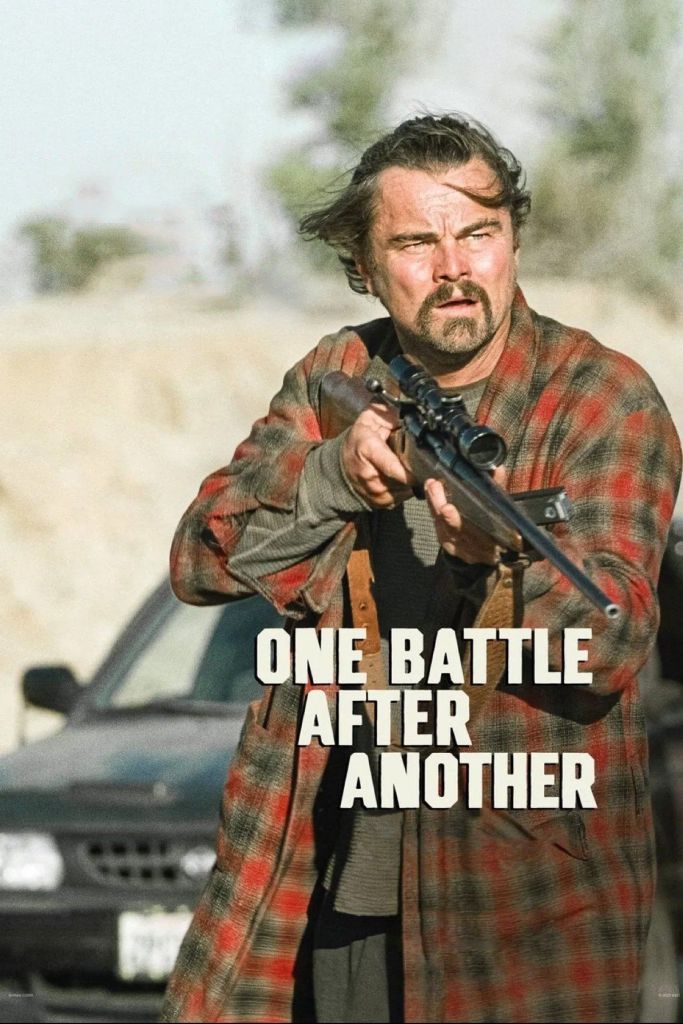
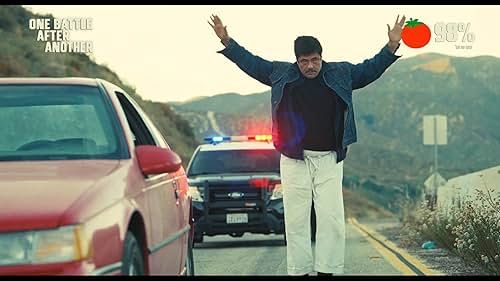
    When I first heard about this, I thought it had potential to be a disaster. Leonardo DiCaprio plays a down-on-his-luck American revolutionary whose daughter is kidnapped, so he must use the revolutionary system to get her back. What?! The American Revolution? 1776? No — this takes place in modern day.

    The world needs a revolution because the American government has been overtaken by a party of white supremacists. The president is part of an organization known as the Christmas Adventurers Club. “Hail Saint Nick!” is their salute and greeting. We never hear the name of the actual political party in power or whether they’re openly racist.

    I was cautiously excited: can this premise possibly work? Do we really want to see an Oscar-contending film that shows America in such an absurdly negative light? Will this movie seem to have anything to do with the real world at all?

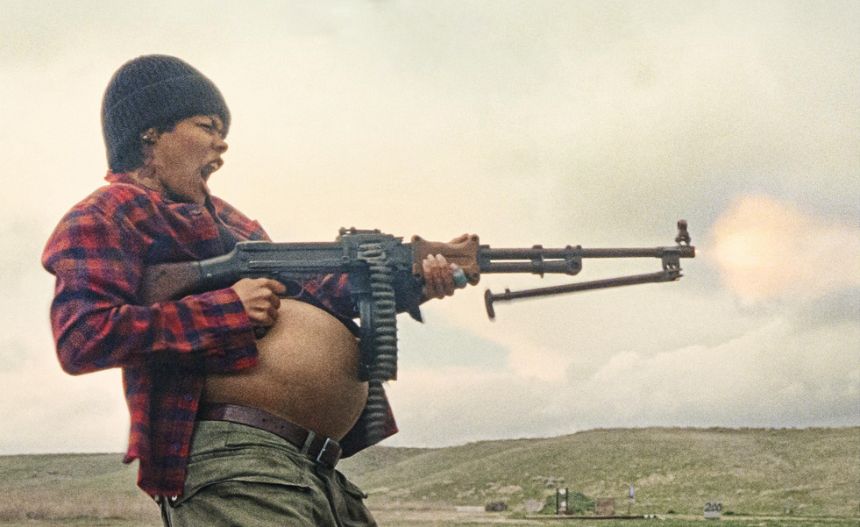
    > “I don’t want you. I just want your money. Your money paid for my artillery, my supplies, my transportation, my dynamite, my message. I am what black power looks like.”


    By the time the movie got to this speech, I knew I loved it. Sure, you could try to read political relevance into it — something about the state of the world right now — but I think that would be reaching. At worst, the movie is a far-fetched suggestion for black power: if the world ever does turn to ****, this is what you can do about it.

    The speech above is given by a character named Junglep****, played by an actress who performs under the same name when she raps. So Paul Thomas Anderson is letting real life filter into his movie, even when the context seems to relate to nothing. This world, with its crass language and pseudonyms, feels influenced by what happens when the 21st century’s hacking and hip-hop communities are pushed to a breaking point.

    The language is actually very restrained compared to what it could have been. The p-word for female anatomy seems to be the dirtiest word in the world of One Battle After Another, but compared to the kinds of usernames used on the dark web by hackers, it’s remarkably tasteful. Quaint, even.

    I had read that the first hour of One Battle After Another was constant action, which isn’t actually true. What it is is exciting. New ideas are constantly being introduced — every scene, every cutaway. There are brief action scenes, but only about a minute’s worth in any one sequence. Then it cuts, and suddenly we’re months or years later. There are no extended battle or chase sequences. Those are saved for the very end.


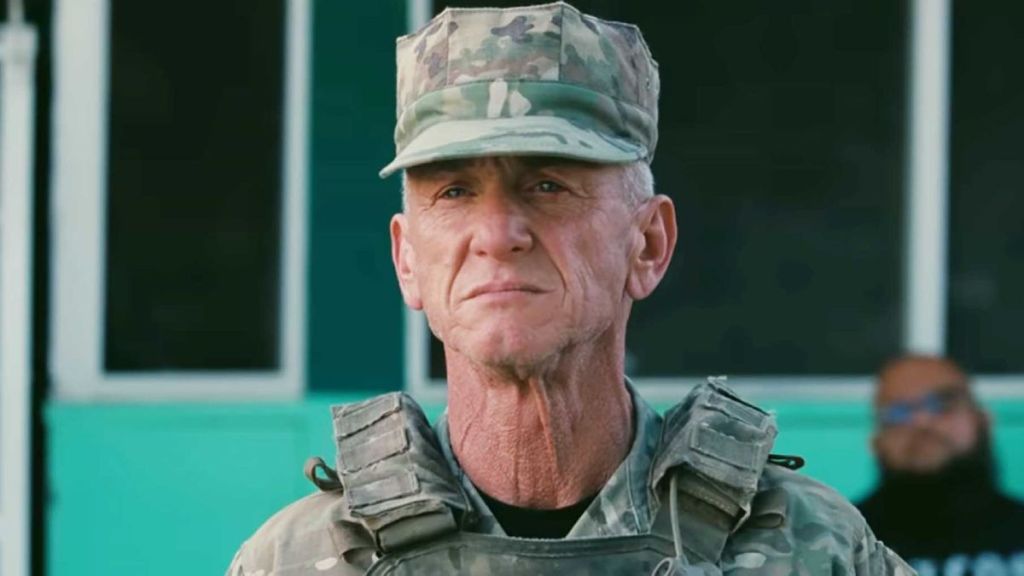
    This is being touted as a Leonardo DiCaprio vehicle since it’s only the fourth movie he’s made since winning the Oscar in 2015 (The Revenant). However, Sean Penn is the one getting all the awards buzz, with him being the odds-on favorite to win Best Supporting Actor — which would give him Academy Award number three. It feels like forever since Sean Penn mattered in Hollywood, and the industry seems to be realizing, “Oh yeah. There is sort of a second Daniel Day-Lewis in the world.”

    Penn plays Col. Steven J. Lockjaw, who appears to be in the U.S. military (implying that in this dystopia, even military leaders are expected to have pseudonyms). Lockjaw isn’t a true white supremacist, though he goes through the motions — fetishizing the taboo of lusting after what he can’t have. The movie has a lot to say about the mindset of white supremacy: how much of their hogwash do they actually believe, and how much are they willing to tolerate?

    There is no calm before the storm. Every scene is filled with tension, and the script follows the “two things at once” rule, meaning nothing is ever written that isn’t also saying something about something else. Being a revolutionary in the 21st century is about the hardest job there is, so it makes sense that the characters wrestle with occupational substance use and post-partum jealousy. The intensity of trying to do the right thing only appeals to people who are likely borderline addicts — to sex, to drugs, or both. One likely intensifies the other. This phenomenon carries over into the real world too: righteous, highly demanding jobs — emergency medicine professionals, public defenders, war journalists — are likely to have a Bon Ferguson in their midst.


    I suspect Paul Thomas wrote One Battle as a world that could have franchise potential. The movie is definitely complete, which is a relief. I thought the only problem Anora had was that it didn’t really feel satisfying as the last time we’d ever see its characters. One Battle has no such issue. The world is so well thought out that it would be a shame if it weren’t mined for more stories. If PT is done with this world, expect a TV series remake within ten years.

    In the Magnolia DVD documentary, Paul Thomas Anderson screened a movie every day during pre-production — Short Cuts, Nashville, Melvin and Howard. One of those movies was Network, which he prefaced with a warning: “I will not make a movie as good as Network. You won’t see a movie as good as Network.”

    I disagree with PT. He managed to one-up it. He’s created a setting that’s an upside-down version of the real world and proven: this isn’t real, and it probably won’t be — but it still has plenty to say about where we’re going, and where we are right now.

    One Battle After Another is a Chuck Palahniuk novel done right.

    10/10

  • Day 2: Creature from the Black Lagoon (1954)

    Goal: Find a classic monster movie.

    I’m using “classic monster” loosely. Last year I saw Frankenstein, Dracula, and The Invisible Man. This year I considered Cat People and Them! — not traditional monsters, but they’d fit the idea.

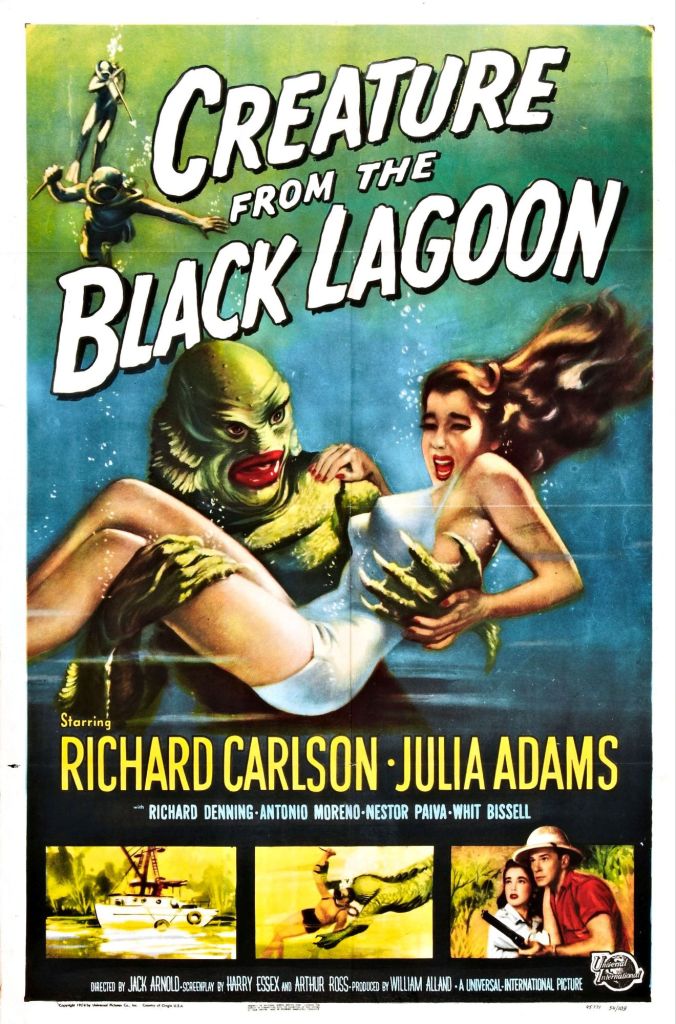
    Creature from the Black Lagoon (1954)

    What I know about it:

    When I was at Earlham College in the 2000s, I was in movie club. We screened The Return of the Creature in a room that doubled as a physics lecture hall and a weekend theater. It had a real projection booth and 16mm equipment.

    We showed it in 3D — the red-and-blue kind. Technically, it worked, but with a nauseating color filter. You’d want to take the glasses off after thirty minutes, try watching without them, then say, “Dear Lord. Guess I gotta put these back on.” Nauseating either way.

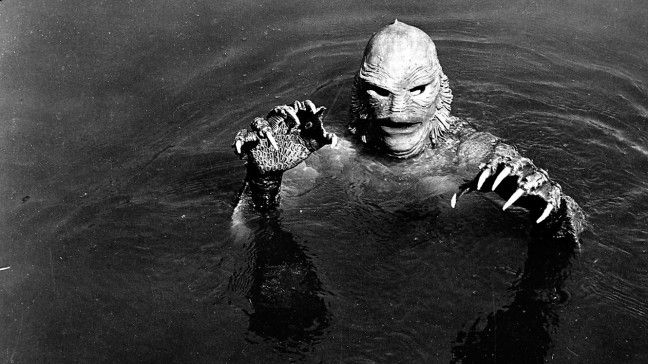
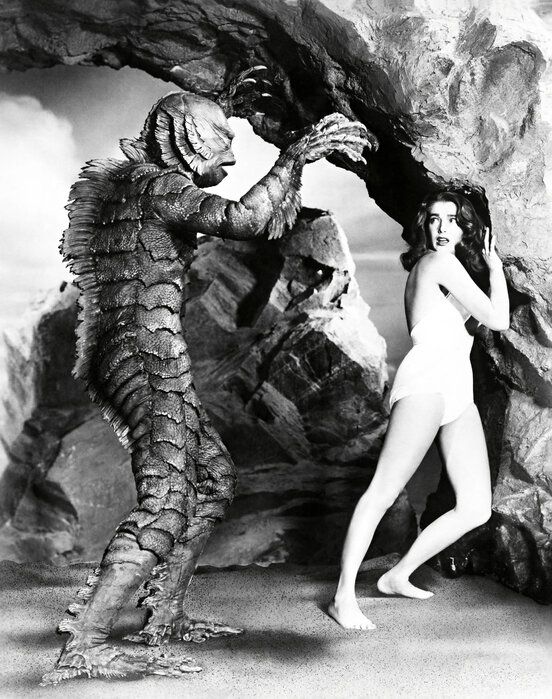
    The plot? Something about a swamp creature in a rubber suit carefully picking up women who faint — one arm under the knees, the other behind the neck. No strong character work. Cheesy but nostalgic. I hoped the original Creature would make the sequel feel more complete. I gave Return a 7.

    Shortly after starting it:

    Wow — this score! The music in these old Universal horror films makes or breaks them, and Creature succeeds. It was shot in 1.37:1 but composed to be cropped to 1.85 (widescreen). It looks forward-thinking — similar to Touch of Evil, though that one was cropped more seamlessly.

    After the movie:

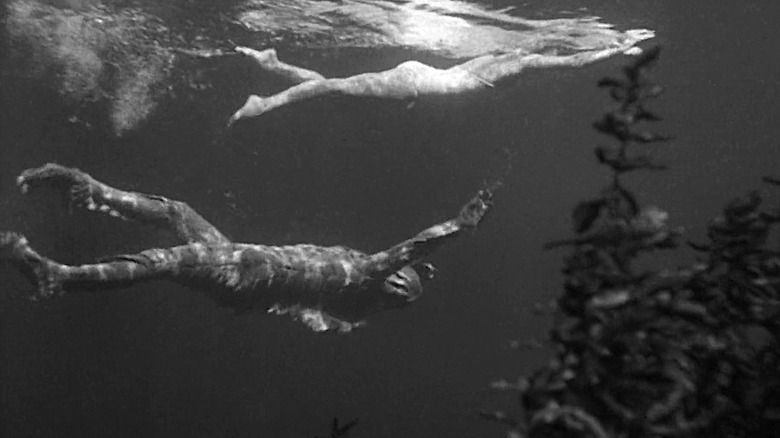
    This movie is quite a spectacle for 1954. Every shot has layered detail. It’s a “made-for-the-trailer” film in the best sense. Much of it takes place underwater — the Avatar: The Way of Water of its day. Tarzan and His Mate (1934) had six minutes of underwater footage; Creature has about fifteen, using new camera tech that would soon be used in 20,000 Leagues Under the Sea. For 1954, that was groundbreaking.

    Thematically, I admire it. It’s about scientists exploring a fossil discovery and realizing they’ve found a living species worth protecting — years before “endangered species” became a household term. The script feels philosophically progressive for its time: pro-science, anti-hunting, closer to King Kong than most monster pictures of the era, or since. (Them!, Jaws)

    Problems: It wears out its welcome around the halfway mark. Once the underwater cinematography and creature design are established, there’s not much left. It has that “good enough” B-movie philosophy — great setup, undercooked follow-through. The dialogue is utilitarian, often missing chances for real thought or character. “Hi Jim.” “Did you check the meters?” “They’re fine.” That’s not an actual quote, but it captures the vibe. Very quick dialogue that doesn’t even need to be there. This was not written by a poet laureate.

    What elevates it is the score — some of the best classical writing in any monster movie. The dissonant brass motif (DUH-duh-DUUUH!) is iconic, with strings rippling like water. Composers Hans J. Salter, Herman Stein, and a young Henry Mancini stitched together a Frankenstein’s-monster of a score that somehow actually succeeds in sounding like a single piece of music. It’s beautiful and should be adapted into a drum and bugle corps or high school marching-band show.

    Watching it reminded me of The Lost Skeleton of Cadavra, one of my favorite B-movie spoofs. This is where all those tropes were born — and it’s easy to love Creature sincerely while still thinking, “man, this is silly. I have got to tell the world about this ”

    8/10

  • Day 1: Dead Calm (1989)

    Goal: Find a move that might actually scare me.

    For October, I came up with a system: every day I pick a new goal, call it a ‘theme-of-the-week,’ and then track down a movie to match.

    Day 1

    Goal: find a movie that will actually scare me.

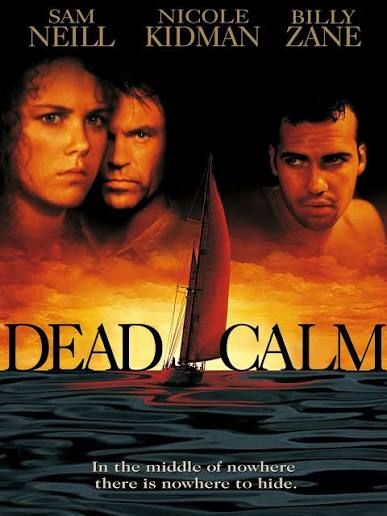
    Dead Calm (1989)

    What I know about it:

    I watched this on HBO when I was about 14 years old. I came in after it had already started and only caught about 20 minutes. I remember recognizing Sam Neill as “the guy from Jurassic Park” and nothing else. I had no idea who Nicole Kidman was at the time. I’m guessing it’s Australian?

    From what I pieced together, it’s about a couple sailing on a boat through very isolated waters. They meet a visitor who seems friendly at first but turns out to be nefarious. I remember thinking, this is scary. I don’t want to watch the rest of this now if it’s actually good. I wanted to see it from the beginning, but I never did. The premise also says something about them going out to sea “after a tragedy,” which I completely missed.

    Shortly after I started watching it this time:

    I remembered, this was too scary to go back to. It was intimidating to me.

    After the movie:

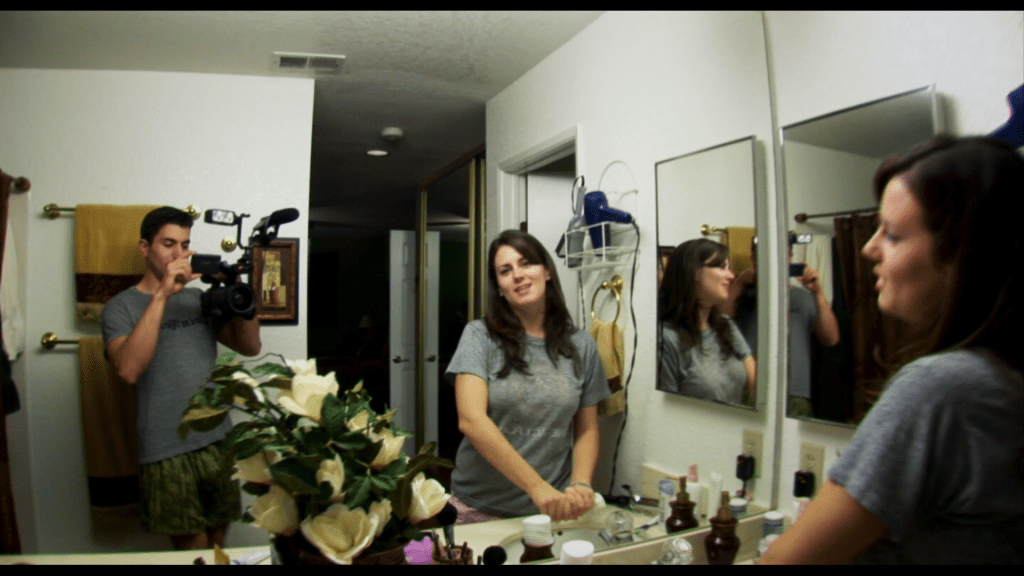
    Watching this movie at age 44 is akin to seeing the hill outside my grandmother’s old house and expecting a mountain. The idea of Dead Calm is terrifying. I don’t like the thought of being alone in the middle of the open sea and encountering a stranger that might be dangerous. But this has problems that keep it from seeming in any way true.

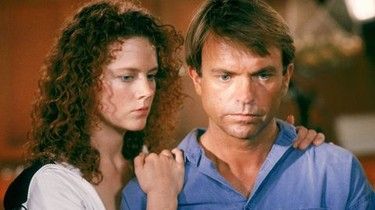
    First is the coincidence problem. The central coincidence (every film should have only one) is that the stranger’s ship is sinking at exactly the right moment so that Rae and John Ingram (Nicole and Sam) find it while it is still above sea. But the whole movie is full of coincidences. A character falls into a wall, which causes a spear gun to fall on top of them. The water in a ship causes the microphone to short right after the last message of importance. Characters shoot each other blindly and hit perfectly. They step into strange environments and find the perfect piece of evidence immediately.

    This is one of those movies. It feels like there is little natural logic. The world is at the whim of a screenwriter who is in “and then THIS happens, and then THAT happens” mode. I much prefer the “yes, and…” philosophy of screenwriting. “This happens. And so this happens.” Natural cause and effect.

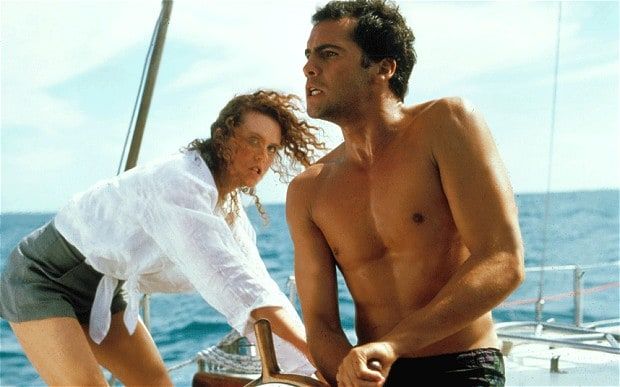
    Case in point: at one point Rae (Nicole Kidman) picks up a knife to use as a weapon. Hughie (Billy Zane) sneaks up behind her, and Rae pretends she is cutting a lemon. He curls up behind her and shows her how to properly cut the fruit. Of course this guy is ready and able to properly explain how to cut a lemon.

    But — a lemon? They say earlier in the film that they haven’t seen another boat in weeks. How large is the refrigerator in the galley? They don’t have a bottle of lemon juice, they have actual lemons? What are they eating, anyway? What else doesn’t make sense? (Kind of everything…)

    My neighbor said it best: “That movie wasn’t as good as I expected. I kept expecting something to be on the other boat.” Another character, maybe? Dead Calm has scares and an ominous sense that the worst possible thing is going to happen, but it wastes opportunities to really ramp up the tension.

    This is very much a movie of its time. It is the kind of movie that is aching for a remake, and it kind of has one. Michael Haneke liked this basic premise so much he made a movie and then made it again. That one is on land, though, which would no longer work in our modern world. Someone working with AI tools could think of ways to expand the constraints and scope of the story.

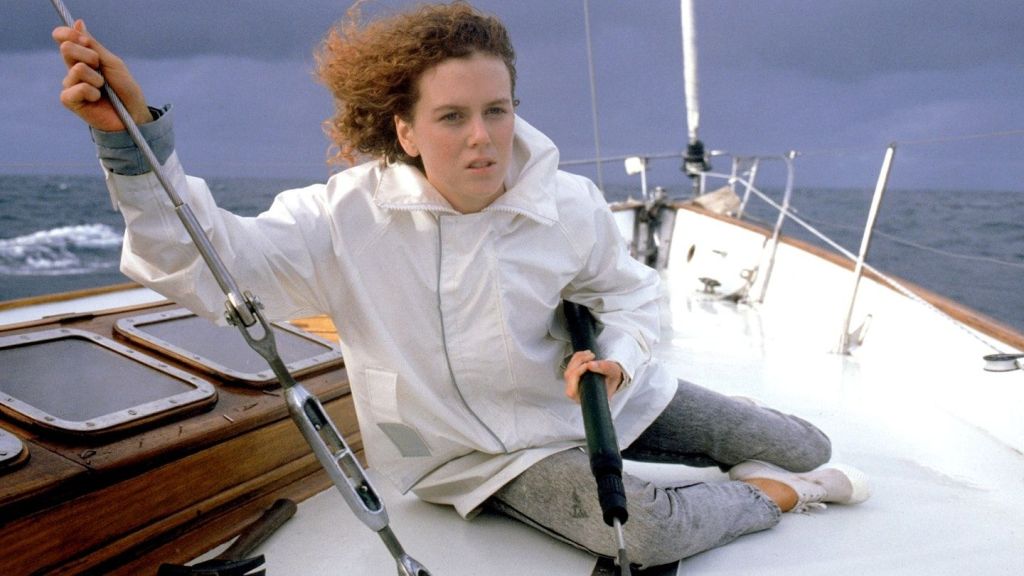
    A few genuinely great things. While the script is slightly hokey in execution, the direction is not. Philip Noyce provides an excellent ear and eye for detail. The cinematography and editing show master craftsmanship, and the score is just about perfect. The movie deserves to be remembered for one thing and one thing only. This is Nicole Kidman’s show, and part of me wonders how this role somehow existed and that she got the part. It is the type of role she would kill to get after being an A-list actor for decades. This is the type of role that seems written specifically for a Meryl Streep caliber actress.

    Overall, not scary. But compared to Babygirl, which I just saw and thought was a much stronger movie, this has the better performance.

    6/10

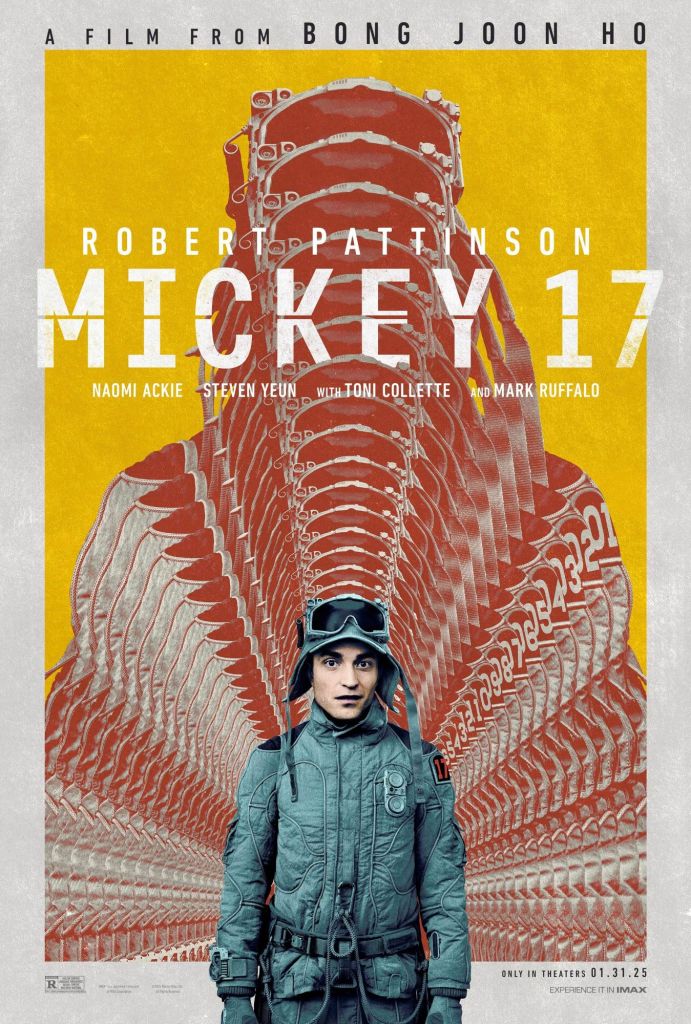
  • Mickey 17 (2025)

    Similar, but nothing familiar.

    One of my movie ideas 20 years ago was going to be an interstellar journey very similar to Mickey 17. It was about a machine that could clone a human mind, put it into a machine, and send it into space far, far away. These clones would go to a dangerous planet to save the president’s daughter, and the best person they could find for the job was a college professor not prepared to have the speed and strength of a T-800.

    They made five of these robots, and when one died, the memories were sent back and inserted into the next machine. When the professor completed the job, he dies in a sacrificial gesture and returns with no memory of what he did deep in space, but he can analyze the data and figure out what choices he likely made and why. “Huh. I don’t think I could have done this any better myself.”

    If this idea — sort of John Carpenter’s Escape From New York via James Cameron’s Avatar and Terminator — had been turned into Bong Joon Ho’s Mickey 17, how happy would I be with the final product? What type of grade would I give myself?

    Firstly, Mickey 17 is an original idea that doesn’t seem quite like anything else I have seen, even in my imagination. A few movies that informed this one: Looper, The Edge of Tomorrow, Arrival, and Pitch Black. What genre does that sound like? Sci-fi? Sure, but is it funny? Scary? Intense?

    Mickey 17 is a very satisfying drama that teased being a true genre picture, but Bong Joon Ho does not push it in that direction. His first theatrical motion picture after his “best film of the twenty-first century,” Parasite, has him returning to Snowpiercer and Okja mode.

    Based on a novel, Mickey 17 probably had him saying, “Cute alien monsters. An icy planet? These are my tropes. I can do this.” The marketing gave me the strong impression this would be a thriller/horror — one where a multitude of Mickey Barnes would duke it out in a battle royale, Hunger Games-style. But the actual story is small.

    Mickey is an expendable, a worker who doesn’t realize the position means dying over and over again. Someone higher up goes to the ice planet to save his flamethrower but leaves him to die — it’s not in the budget to save them both. Mickey 17 miraculously survives and returns unscathed. This now makes Mickey 17 and Mickey 18 “multiples,” which, because of politics and religion, makes them eligible for permanent deletion. No more clones. Just death.

    Hollywood would be salivating over turning this premise into a thriller spectacle, but Bong resists anything YA-novel-ish. It feels very literary in execution, as if a novel was deemed unfilmable and he just wanted to shoot it as is. Bong actually made a lot of changes, but overall it felt like a story most fun to read, savoring Mickey’s prose before finding where the plot lands next.

    The best part is the characterizations. Robert Pattinson, Toni Collette, and Mark Ruffalo all give extremely affected, almost stilted performances, considering who we know they are. But I can’t point to another character like the total sum of their personalities or what they represent.

    The movie is extremely nuanced, and Bong avoids a single cliché or archetype when painting a world of colorful, believable characters. The same goes for the supporting cast. This world feels applicable to modern workplace situations. It’s easy to imagine saying, “You are such a Mickey,” or “Our boss is such a Kenneth.” The premise isn’t 100% believable or logical, but there is real wisdom behind how the characters interact.

    Robert Pattinson has come a long way as a performer. Mickey speaks like Ray Liotta in Goodfellas, explaining the ins and outs of being an expendable with a strange but memorable Brooklyn accent. He commits from beginning to end. It’s not transformative acting, but it’s unforgettably distinct.

    The performances and ideas in the script are the best I’ve seen this year. To be honest, my old script idea was more obvious studio shock than this (though I might still turn into a Hollywood screenplay one day). The mechanic of taking the “extra lives” part of video games and inserting it into philosophy still excites me, but Bong Joon Ho reminds me: “Make something truly new if you can. Actually be happy with what you did, for yourself.”

    It took five and a half long years after Parasite (almost) swept the Oscars for him to release a kinda funny movie about clones and cute alien monsters. Mickey 17 might be a B+ of a movie, but it’s one I’ll reference for many years.

    8.5/10

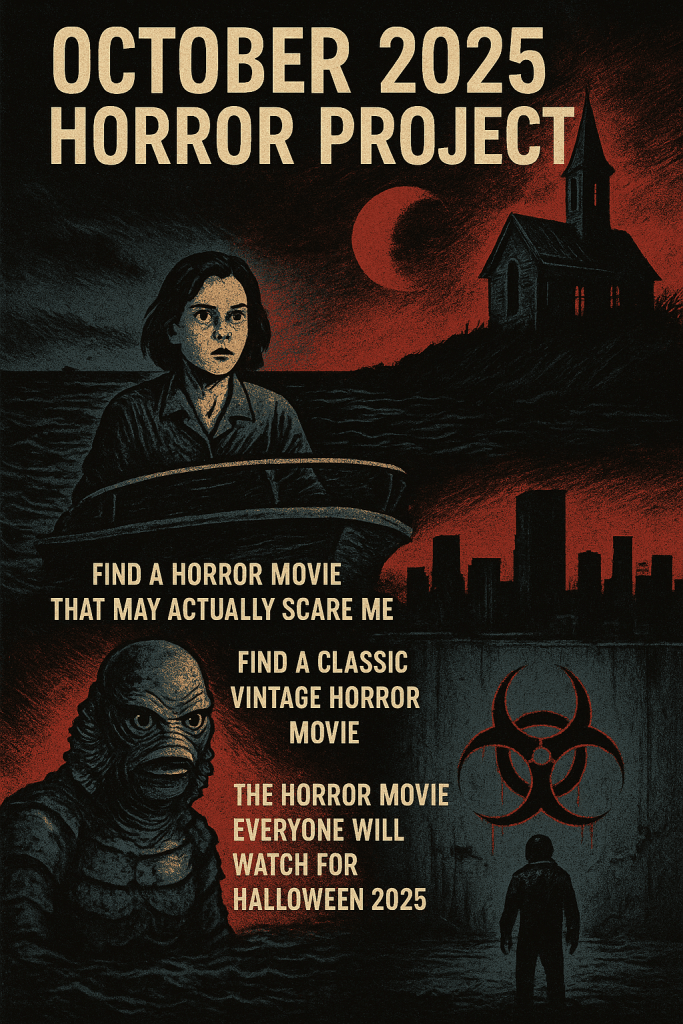
  • Halloween 2025: The Film-of-the-Week Horror Odyssey

    My plunge into the best of what horror offers continues.

    Find the full list of movies here:

    https://avidavr.wordpress.com/halloween-2025-the-film-of-the-week-horror-odyssey/

    In October 2024, I went overboard and tried to watch as many horror movies as possible. The final count was 47 — a number that feels almost absurd looking back. This year I’m taking a different approach.

    For October 2025, I’ll be watching 16 horror films I’ve never seen, and I’ll write about each one. Every pick will be guided by a theme-of-the-week. First I’ll write what I know about the film (and what I expect it to be), then I’ll follow up with my review.


    The themes are:

    1. Find a horror movie that may actually scare me


    2. Find a classic vintage horror movie


    3. The horror movie everyone will watch for Halloween 2025


    4. The one I can’t believe I haven’t seen


    5. The rising star horror with the most buzz right now


    6. The one everybody loves


    7. The biggest modern-day midnight horror


    8. The best reviewed


    9. The one I wish I saw when I was a kid


    10. The one everyone knew about (except me)

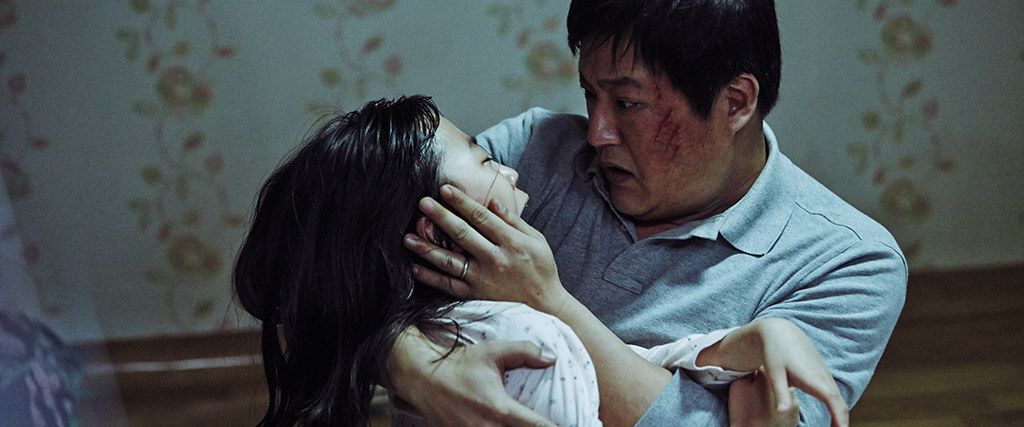
    The Wailing (2016)


    11. A modern classic (two slots)


    12. A horror movie from a favorite director


    13. The horror movie EVERYONE has seen


    14. A classic horror movie I should really have an opinion on


    15. The horror movie I am most missing


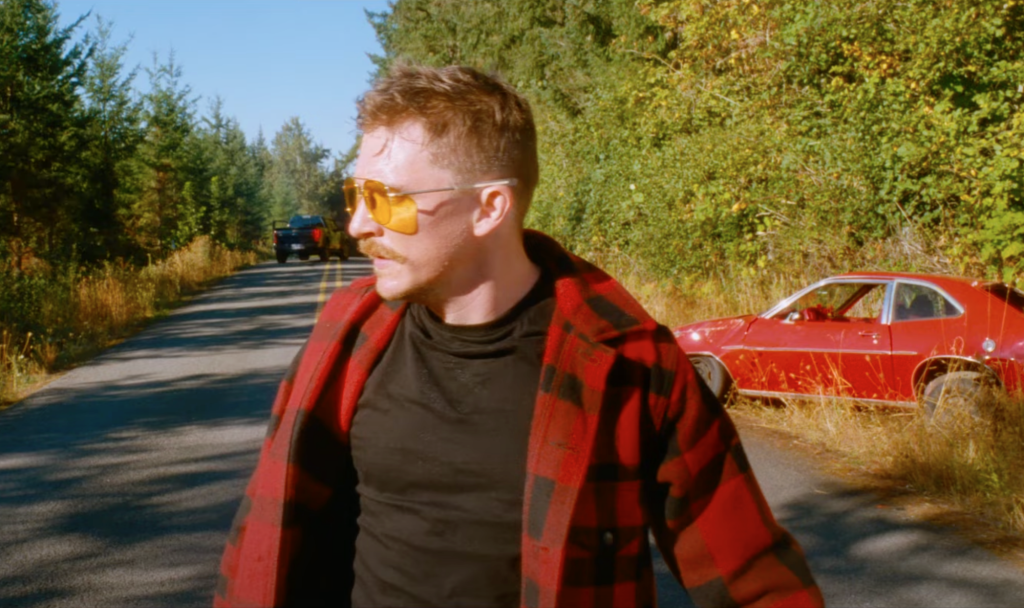
    16. Save for last: The biggest modern-day midnight horror (Mandy)

    Strange Darling (2022)


    I’m not committing to an itinerary — part of the fun will be curating as I go, seeing what feels right after each week’s film.

    The Goals

    1. Cause Fear. Can horror movies still scare me? Can they still scare anyone?


    2. Fill the gaps. My horror knowledge is diverse, but limited. I want to meet every type of horror watcher where they are.


    3. Celebrate variety. Horror is not one thing. I want to experience surprises and shifts in tone, style, and culture.

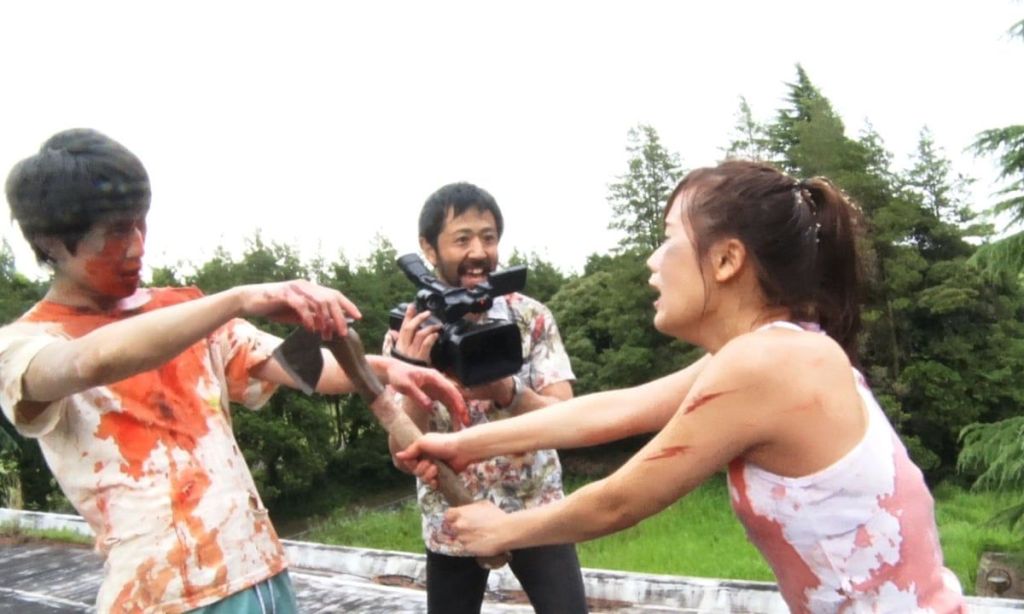
    One Cut or the Dead (2017)


    4. Find new personal classics. Some of my favorite discoveries in recent years — The Wailing, One Cut of the Dead, Strange Darling, Diabolique — came from projects like this. I hope to walk away with one or two more that I can recommend wholeheartedly, not just as horror, but as great cinema.


    Let’s see what surfaces this October.

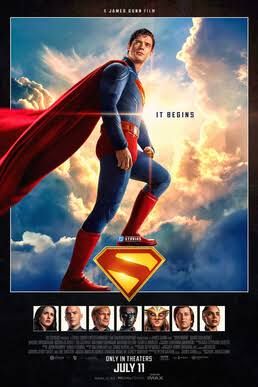
  • Superman (2025)

    Maybe if we gave him a cute dog, that would help?

    Superman has had a rough 21st century. We used to think he was the only superhero that mattered. Back in 1992, I read part of The Death of Superman and thought, Wow. This is some mega weird stuff. Can this possibly be earned? I tried reading it cold, but the sheer pileup of details left me bewildered. Halfway through, I admitted, “This sure is cool,” then shut the comic and never returned.

    Watching James Gunn’s Superman (2025) gave me that same feeling. His approach is to skip the backstory, skip the origin, and just plunge us in. Suddenly there’s a Superdog, robots in the Fortress of Solitude, an unusually honest relationship with Lois Lane, and even Supergirl flying in. The villains aren’t streamlined either.

    What has always made sense to me about Superman is simple: Clark Kent came from Krypton, which made him invulnerable on Earth, and he could fly because of the gravity difference. Mythic, clean, logical. Now here comes a villain whose hand turns into a spinning buzzsaw. Who is she? Does this character have any story at all?

    I looked it up: she’s The Engineer, a.k.a. Angela Spica. In the lore, she served in the army, was gravely injured, and got noticed by Lex Luthor. He rebuilt her with nanites — microscopic machines that can reconfigure her body into programmable metal, like the T-1000 in Terminator 2. On paper, that’s a solid origin. But how much of that backstory makes it into this movie? Absolutely none. She just appears at Luthor’s side, her hand turning into a blade because it looks cool. Casting a sympathetic actress is the only hint that she might not always have been evil.

    I skipped the Zack Snyder era. From the outside, those films looked joyless, and if Gunn’s movie is this desperate to course-correct, maybe they really were. Snyder was never the right choice anyway. Nolan could balance absurdity, self-seriousness, and spectacle into something resembling art. Snyder, the guy who made 300, was never going to walk that line with Superman. Did we really need to see him slugging it out with Batman in what looked like a truck-stop men’s room? That was the big payoff?

    The last Superman movie I saw before this was Superman Returns (2006), and I really didn’t like it. Supposedly a direct sequel to Superman II, it cast 23-year-old Kate Bosworth as Lois Lane, suddenly the mother of a five-year-old. (She was apparently 18 when Superman left Earth.) Did people actually like this movie? Superman was a godlike voyeur, eavesdropping on every conversation on Earth, while Lex Luthor, villain realtor extraordinaire, finally achieved his dream of building a Kryptonite continent that would sink the world’s coastlines. Real estate. Yawn.

    By then, my stock in DC superheroes couldn’t have been lower. Wonder Woman (2017) was the first sign they could still get one right. Gunn was clearly hired to do for Superman what Taika Waititi did for Thor in Thor: Ragnarok: break him down and reintroduce him as fun. But while Waititi’s absurdity produced one of Marvel’s crown jewels, Gunn’s film feels more like a WB-themed screensaver.

    Take the ending. Superman sits in the Fortress of Solitude, surrounded by robot attendants, watching a Kryptonian home movie while Iggy Pop’s “Punkrocker” plays. Iggy sings, on repeat, “I am a punk rocker, yes I am.”  You can almost picture Gunn pitching this exact scene to WB: stylish needle-drop, warmth, nostalgia, cool factor. And it is appealing — until you think about it. The Fortress is supposed to be Superman’s retreat, the place where he wrestles with loneliness and the burden of saving the world. “Punkrocker” is ironic fluff, a song about being punk without rocking at all, wrapped in cheerful synths like a hug from your older sister. It’s clever, but does clever fit Superman? And beyond that: if Iggy Pop exists in this universe, what does that say about Metropolis and Superman’s Earth? Did anyone even ask that question? At Marvel, someone would have.

    Rewatching Superman (1978) and Superman II, I was struck by how those films were both spectacular and modest, stories simple enough for kids but mythic enough for adults. DC hasn’t known what to do with the character since. Superman (2025) doesn’t feel like a movie at all. It feels like a Cliff’s Notes guide to a Superman show that ran for two unseen seasons. It isn’t a trailer for the movie. It is the trailer.

    I want to know what actually happened. Where is the movie?

    5.5/10

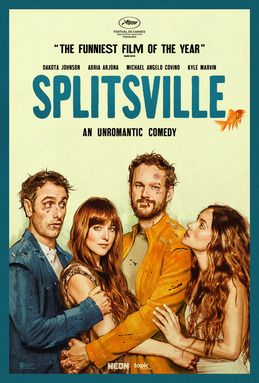
  • Splitsville (2025)

    A surreal, funny, and slightly chaotic warm-up for future giant Michael Angelo Covino.

    Is it possible to be happy while you and your partner are clearly heading to splitsville?

    That’s the question at the heart of Michael Angelo Covino’s second feature, a film about four good people (well, three and a half) struggling with traditional fidelity. Each character is grown yet surprisingly inexperienced, caught between wanting more from their partner and bracing for what happens when that partner moves on.

    Of course, that premise alone doesn’t explain why this film premiered at the Cannes Film Festival. Splitsville is surreal, bravura filmmaking. Covino takes the idea of a relationship in decline and asks: What if Splitsville were an actual place? What would it look like?

    Life in Splitsville is deceptively serene, yet shocks lurk at every corner. Car accidents, brawls, incidents with the law, even fires punctuate the landscape. Just as destabilizing, though, are the quiet tremors in relationships—emotions threatening to bubble to the surface at any moment.

    And if there’s one thing the film never forgets, it’s to be funny. Action scenes drag on far past comfort, with intent, and the movie delights in setting up expectations only to veer sharply off course. The IMDb lists the nudity level as “severe,” and if the sight of an unremarkable, non-erect penis offends you, consider this your warning. One member makes repeat appearances—comic relief when maybe least expected.

    Splitsville feels rooted in mumblecore, recalling the Duplass brothers or Joe Swanberg’s Happy Christmas. But Covino isn’t interested in fly-on-the-wall realism. He smooths out the genre’s rough edges and perhaps parodies it, creating something both more mainstream and more cinematically ambitious. The result feels closer to French absurdist comedies of the ’60s and ’70s—think Blier’s Get Out Your Handkerchiefs or Buñuel’s The Discreet Charm of the Bourgeoisie—but with the kind of gonzo set pieces Scorsese might secretly agree to direct.

    Still, it plays like a warm-up lap for Covino rather than the main event. It’s witty and energetic, but a little slight and long-winded compared to contemporaries like Sean Baker (Anora) or Ruben Östlund (Triangle of Sadness).

    The cast is uniformly strong—except for Dakota Johnson, the film’s marquee name. Marketed as its centerpiece, she’s instead the weak link, playing what feels like a variation of her usual role. Too prim and flawless for the messiness the film celebrates, she seems miscast. By contrast, Kyle Marvin and Adria Arjona shine as the central couple. Marvin feels like a Seth Rogen shorn of stoner shtick—an everyman capable of working any job—while Arjona recalls a young Salma Hayek, approachable and magnetic. They both feel like people you’d actually want to hang out with, yet not quite like anyone we’ve seen on screen before.

    Ultimately, Splitsville is well-made, funny, and visually exciting—worth the trip to the theater even if it doesn’t reinvent the wheel. What it does do is remind us that Hollywood’s hit-making machine could use a new set of tires.

    7.5/10