Blog

  • Zulu (1964)

    My 27 Movie A-Z Film-a-thon: Day 27.
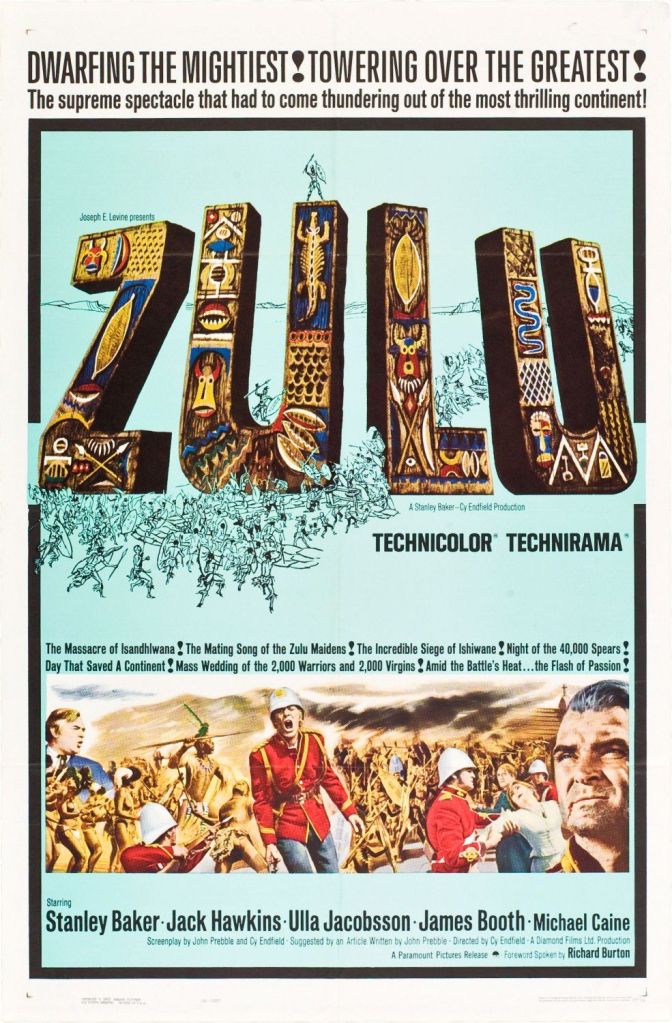
    Zulu (1964)

    I’d like to think a great war movie could be made about the Battle of Rorke’s Drift—but Zulu (1964) isn’t it.

    In history videos on YouTube, Zulu warriors are always portrayed as one of the most fearsome and disturbingly ferocious forces you’d never want to find yourself at odds with. I was hoping to see a good reason here for why that is. Why wasn’t I shown that?

    Almost nothing in Zulu is realistic or historically accurate. The filmmakers present a sanitized and implausible depiction of what actually happened. The movie tries to romanticize Zulu culture as being more about art and admiration than actual victory in war. There are large dance and singing sequences that seem really cool to see on film—until you find out they were written by composers for the movie. I studied primitive cultures’ music in college (my degree is in music), and I don’t know why Western filmmakers feel the need to evolve or improve what actually existed. For instance, modern takes on Native American tribal music always wind up sounding like 20th-century Japan to me.

    I’m not going to say Zulu is historically useless—it does a few things right, mostly just by existing at all. You get to see thousands of modern Zulu extras dressed like their great-great-grandfathers and wielding accurate-looking spears and shields. A lot of it just looks cool, and you do learn a few surprising details. For instance, the Zulu brought many guns to the battle, but they were outdated and the warriors were poorly trained in their use. The reality is they only might have hit a few British soldiers—almost by accident. In the movie, it seems like dozens of British soldiers are constantly dying and falling on top of each other.

    The movie opens with a real head-scratcher of a sequence. A British missionary and his daughter observe a Zulu wedding ceremony. The daughter keeps asking questions: Why would a young woman marry an older man? The answer: in Britain, younger women marry rich older men all the time. Maybe a Zulu woman wants a brave older man. Isn’t it awful that they don’t wear clothes? Her father responds with one of the best lines in the movie:

    > “The Book says, ‘What went ye out into the wilderness to see? A man clothed in soft raiment?’ You must understand these things if you’re going to stay in Africa. That’s why I brought you here. They are a great people, daughter.”


    Then the scene ends… absurdly. The daughter suddenly freaks out, rushes back to the carriage, and starts screaming like she’s being chased—even though no one’s threatening her. A man stands at the door. She continues to scream while getting inside. He says something in Zulu to the other warriors. Then—seemingly out of nowhere—another Zulu warrior stabs the man at the door. The carriage rides away and a hundred Zulu give chase for about 50 feet. This is never brought up again.

    This didn’t really happen. It seems to serve no narrative purpose except to suggest that a British woman couldn’t handle being around non-white people and would get hysterical on a whim. Then a Zulu warrior stabs one of his own, seemingly out of confusion. So in one swift scene, the movie manages to be both racist and misogynistic—all for the apparent logic of “you can’t open a movie with just an hour of dialogue where nothing happens. Kill someone!” “Okay, Mr. Producer.”

    It’s a real flaw that the movie is only told from the British perspective. There’s no context for why the Zulu were fighting the British at all. The setup is basically: “We were just living here, minding our own business, when thousands of Zulu came up to our door and started threatening us.” The truth is, colonial Britain was one of the most evil regimes in history—and we don’t get to see even a moment of what the Zulu were fighting for.

    The film tries to balance out that lack of perspective by framing the battle as one of mutual admiration and respect. But in truth, the British actually won this battle—and it took a lot of effort and smart fighting to do it. In the movie, the Zulu suddenly retreat for no good reason. They then linger to perform a fabricated “salute song” that seems to say, “We respect you. We have proven ourselves. Now we’ll leave you be.” So… the Zulu actually won the battle and then chose to walk away? Absolute hogwash. Not only does it make no sense, it makes the ending feel so anticlimactic it’s hard to understand why the film was made at all.

    And yet—I can’t hate this. It looks great. It’s about a period of history we almost never see on screen. That’s likely because you can’t make a movie about 1800s colonial Britain without making them look like the bad guys—because they were the bad guys. But Britain today is too cuddly to confront on screen, and no country really has the cultural appetite to take them on now.

    Germany, maybe:

    > “Wanted: hundreds of British actors for a movie that will show how terrible you all are.”

    I’d buy a ticket.

    6/10
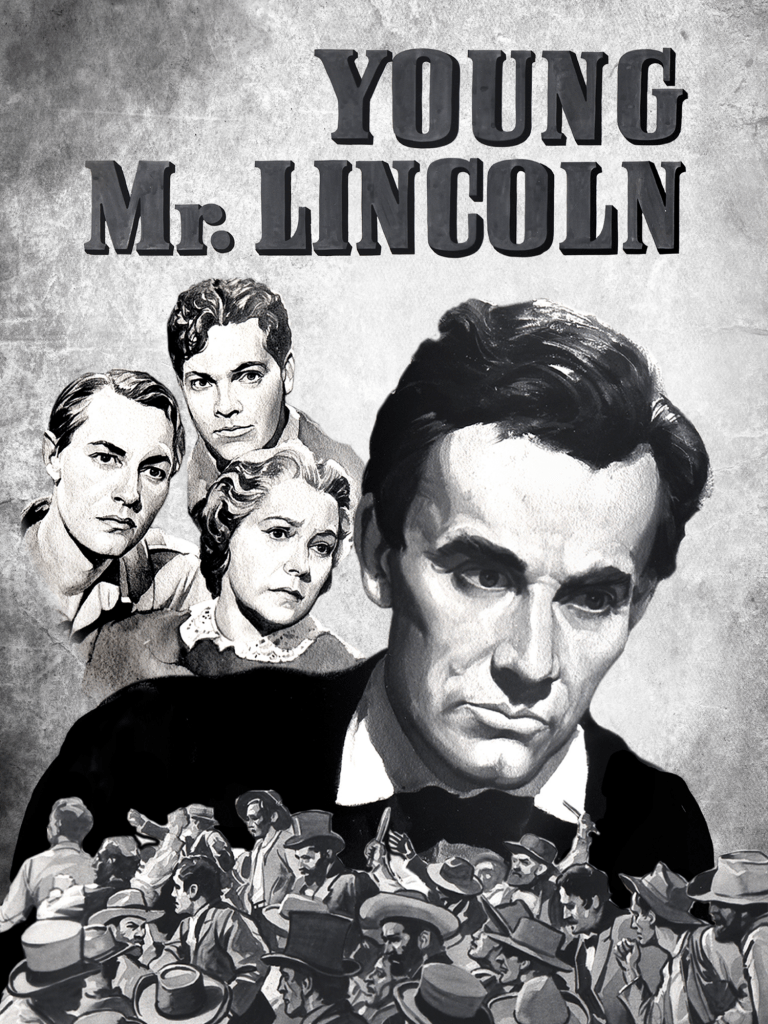
  • Young Mr. Lincoln (1939)

    My 27 Movie A-Z Film-a-thon: Day 26.

    A box office bomb. This was the second film John Ford released that year, after Stagecoach, yet it had almost three times the budget. I watched Stagecoach recently, and this one is certainly the more memorable film. It portrays Lincoln as a bastion of sensible earnestness—always trying his hardest to solve disputes, to mediate.

    The easiest comparison is To Kill a Mockingbird, with Abraham Lincoln as Atticus Finch. It’s possible Harper Lee never saw this before writing her literary monument, but the similarities are striking. This feels like a prototype for most courtroom movies and TV shows in the 85 years since—for better or worse.

    It’s very well made in terms of boosting a well-known political figure into the realm of cultural hero. For a movie that openly embraces mythologized biography, it’s surprisingly accurate. There were at least five details I didn’t realize were true about Mr. Lincoln. If this really was his early life, it deserves a full biography.

    Directed by the masterful John Ford, this is in another league of quality compared to To Kill a Mockingbird. The story itself isn’t the strongest element—Lincoln really did teach himself to be a lawyer, and he once won a murder case by submitting a Farmer’s Almanac as evidence. The trial portrayed isn’t historically accurate, but the details are rooted in real events.

    This is a story about a man who tries to do what’s right, only to find himself in situations where the right thing is murky or even impossible. Being virtuous and fair can be one of life’s hardest callings. When he defended murderers, he often wasn’t sure if they were innocent or honest.

    A John Ford level of polish elevates this film from forgettable to a treasurable gem. The music is lush and nostalgic, the dialogue is sharp, and the characters are worth knowing.

    Based on a poem, the film is a great tribute to a man who changed the world slowly, one step at a time. I know it’s largely myth, but I can’t help it—I’m now convinced this man was our nation’s greatest president, and likely always will be.

    8/10

  • 21. Nine Inch Nails, “Closer” (1994)

    Not a hit during its release, “Closer” was promoted as if it was one and still continues to grow in popularity.

    I know what you’re thinking. Half of you are saying, “How can this ubiquitous crowning achievement of one of the best bands of the ’90s not end up higher than #21?” The other half are irritated that it made the list at all. It was made specifically to be The Downward Spiral’s runaway hit, and it sounds like it. The “shock rock” explicitness and use of the word “fuck”—it’s not that it’s overly profane, it’s that it seems more designed to make you feel uncomfortable than to actually say anything meaningful.

    The Downward Spiral sessions were similarly intense, but in a way that often felt obvious, unnecessary, and a little cheesy. Trent rented and renovated the mansion at 10050 Cielo Drive—the site of the 1969 Charles Manson murders of Sharon Tate and others. If you’ve ever listened to “Mr. Self Destruct” and thought, “This sounds like it was recorded in some guy’s closet,” that’s because it probably was. Turning a murder site into a recording studio (named “LE PIG”) seems more like a gimmick for press releases than an actual good idea.

    The sessions were long, nightmarish, and obsessive. Trent used layers of analog synths, distorted samples, and field recordings to create a meticulously crafted wall of sound. He welcomed experimental suggestions from producers Flood, Alan Moulder, Chris Vrenna, and others—but only if they aligned with his singular vision. Work on the record was described as “psychologically punishing.”

    The first part of “Closer” that Trent recorded was the beat, based on a drum sample from Iggy Pop’s 1977 track “Nightclubbing.” It sounds nothing like that track. He kept the tempo but replaced the drum sounds. The snare is white noise gated through a filter, triggered by a snare hit. The bass drum likely came from an analog drum machine—probably a Roland 808 or 909—boosted with distortion and a hefty amount of low EQ. The result feels organic, as though the drums were performed live. The snare was probably recorded to trigger the white noise, and the kick hits were nudged slightly out of time to make them feel more alive. The effect sounds like a heartbeat captured by a sonogram—if that heartbeat belonged to a xenomorph.

    The synth layers are intricate and dense. In interviews, Trent said he wished Skinny Puppy and Ministry would write actual songs—with structure, hooks, and defined choruses. He took the soundscapes of those industrial acts and fused them with the songwriting instincts of mid-era Depeche Mode. The song slowly builds toward its centerpiece hook at timestamp 4:48, when a syncopated rhythm circles around a single note. That section sounds a lot like the instrumentation on Depeche Mode’s “Stripped” from 1986. Strangely, Closer utilizes the idea more effectively than most—injecting a bravura-sized dose of ego that feels more Billy Idol than New Order.

    Trent Reznor claimed he never saw “Closer” as the album’s breakout hit. He said, “It was supposed to be a throwaway track, but it ended up being the most accessible thing I’d ever done. I never thought people would latch onto it the way they did. It made me uncomfortable.”

    If he didn’t think the song had commercial appeal, why spend so much time and money on the music video? It remains the most famous work by director Mark Romanek, one of the most prolific music video directors of the medium’s dominant era. He’s directed countless videos, from Taylor Swift’s “Shake It Off” to Jay-Z’s “99 Problems” to Beyoncé’s Lemonade to Eels’ “Novocaine for the Soul.” I remember Rolling Stone’s critics’ poll calling Beck’s “Devils Haircut” the best video of 1996—that was him, too. The “Closer” video is flashy and gimmicky, blending vintage silent film techniques with the disturbing visual language of Stanley Kubrick and David Cronenberg. Nothing truly graphic is shown, but Romanek often blurs or distorts the image just enough to let your imagination do the rest.

    The video is famously provocative—but it’s calculated. Like turning the house where Sharon Tate was murdered into a studio, the goal was to disturb just enough to make the promotion irresistible without crossing the line into outright censorship. I’m looking at you, The Prodigy.

  • 22. Limp Bizkit, “Break Stuff” (1998)

    The “worst” song of a terrible genre becomes a kitsch classic.

    “It’s all about the he said, she said bull—shit.”

    Note: you should really listen to the explicit version of this song, but the video needs to be experienced as well.

    I get that the band actually had some amount of talent, but how on Earth did Fred Durst come up with a hook this weighty and memorable? Two theories: either (a) Fred has always had a natural gift for melody and cadence, or (b) he scribbled a bunch of words down, sang them as straight eighth notes and Wes Borland said, “Why don’t you delay the word ‘shit’ a bit? Add some syncopation?”

    The vibe of the song is right. Wes sticks to one chord, a basic power chord rooted on dropped D tuning, and uses a little half-step bend  during the chorus. It is a formula that The Neptunes were about to utilize on every hit of the early 2000s, but Limp Bizkit jumped on the trend very early. It creates a broken, uncontrolled feeling of nausea. The guitar only adds one other note, a sudden tritone (augmented 4th/diminished fifth).It is the devil’s interval, most famous for being used in the first three notes of The Simpsons theme song. If there’s one moment worth salvaging from the Nu-metal genre, it’s this brief burst of angsty cliché.

    Fred has said he wrote the lyrics after having an incredibly bad day, and I hope so. It would be a real bummer if he wrote a song like this happily, as though he was just writing something formulaic for the masses. It seems genuinely angry, like he didn’t have time to review the lyrics or think too hard about the phrasing:

    “It’s just one of those days
    When you don’t wanna wake up.
    Everything is fucked.
    Everybody -sucks..”

    This song really grew into an anthem on the TikTok circuit, which means that its perfect for a short burst of impact to make a video seem complete, representing some kind of rage or frustration. If you need to convey a feeling of irresponsible anger, there is no way to do it more quickly than with “Break Stuff”, which sounds more like a toddler throwing a tantrum than actual anger.

    “Break Stuff” is easily the highest-rated song by Limp on the website Album of the Year as well as their most streamed song. The song’s biggest moment? He screams, “And if my day keeps going this way, I just might /Break your fucking face tonight.”

    Someone told me this line made them think of the term toxic masculinity. Oh, really? You think? Maybe? Look—I don’t think the issue is that the song is about toxic masculinity. It probably is. But that’s not what bothers me. The bigger issue is that the song is kind of stupid. It’s raw, loud, and deliberately over-the-top—perfect for a mosh pit, which, by the way, I have nothing but respect for. And a lot of Limp Bizkit’s biggest fans are women, which complicates any tidy narrative about aggression and gender.

    In the documentary Woodstock ’99: Peace, Love, and Rage, archival footage shows Durst hyping the crowd during this song—leading media and organizers to accuse him of inciting violence. That’s a little unfair. The real problem wasn’t Durst; it was the lineup, which attracted exactly the kind of fans most likely to rebel against a poorly managed festival masquerading as a tribute to peace, love, and unity. If the organizers had booked only the Lilith Fair roster, the crowd would’ve stayed quiet—and maybe calmly voiced concern to someone at the merch table. Limp Bizkit fans made the festival listen.

  • X (2022)

    My 27 Movie A-Z Film-a-thon: Day 25.


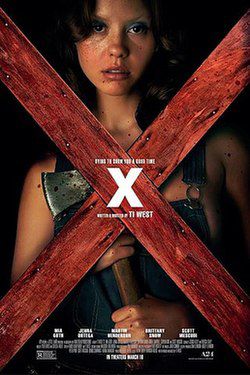
    If someone made this movie as their final project for a class called “How to Make a Horror Movie,” it would probably squeak by with an A-. There’s nothing wrong with it, per se, but it doesn’t do anything new. It’s continuously interesting and vaguely entertaining, mostly because it understands the bones of what works in slasher films and uses well-worn tropes in textured ways that avoid feeling overly familiar. But once it’s over, you have to wonder: is this movie actually saying anything?

    The movie works, don’t get me wrong—but what was it going for? Are we supposed to be afraid of going to a farmhouse in the country to film a sex movie? That’s not a relatable fear. If someone goes missing, should I now fear walking around barefoot in my underwear? The characters get themselves into situations so far removed from normal life that the scares don’t land.

    The villains are the weakest part of X. They aren’t intimidating, smart, sadistic, or even overtly twisted. They’re only scary because they suddenly gain superhuman strength and agility without explanation. Should we now be afraid of running into an old man who resents us for making his wife want to have sex with him? That’s the basic premise here. It’s kind of delightful in its uniqueness, but it doesn’t tap into any universal fear.

    The first 80% of the movie feels like it could’ve been the third entry in Tarantino and Rodriguez’s Grindhouse. But it fails to go all the way. No big moment is established for payoff. On the poster, Mia Goth is holding an ax with both hands—this set me up for a blood-soaked revenge finale. That never comes, and I felt underwhelmed.

    The biggest flaw is the lack of a secondary villain. If the older couple had a son who showed up, someone truly intimidating or warped, the third act could’ve had real stakes. It’s hard to care when the only interesting characters are the good guys—and they all die too early.

    There are great moments, especially in how much these young people love making a porn film. They seem to know what they’re doing. Martin Henderson does his best Matthew McConaughey and gets so excited about a scene he puts another guy’s hand on his erection. Ti West’s attitude toward pornographers is oddly wholesome, maybe even too much so. If I could transplant the sex stuff from X into Zack and Miri Make a Porno, that could’ve made for a cult masterpiece. Likewise, if X had any kind of love story, it might have felt more complete.

    I watched this after seeing Pearl, and Pearl is the star-making piece of trash X probably wanted to be. Its setting is more distinct, Mia Goth gets a more layered character, and the central idea—ambition turned to madness—is more familiar and grounded. I wasn’t alive during the end of WWI, but I felt like I could run into someone like Pearl. I found myself squinting at strangers thinking, “Is this a Pearl?”

    In X, they tried to make Mia Goth the lead first—but why? Her character doesn’t do much, isn’t particularly compelling in the sex scenes, and isn’t clever. She just sort of walks around with her nipples half-heartedly covered. She’s curious wallpaper. Goth plays the part well enough, but it’s not a strong role. This team needed another film where they threw out the rulebook. X is too safe. Too academic. Pearl felt like it needed to exist.

    X ends on a clever note, a few lines that are remarkably well set up. It’s just a shame the rest of the movie isn’t much more than competently engaging. A lot of skill went into it, and yeah, I had a good time. But should you see it? Maybe—but more as a comparison piece to see what horror movies often get wrong. Ti West should be a script doctor. He could rescue a lot of movies that actually need to be made.

    7/10

  • Jungkook,”Seven” (2023)

    How was the most hilariously terrible song of the 2020s made?

    That is the version of the song this is about. But here is the (rather great) music video for the clean version:

    This is a very popular song right now. 2,345,597,911 streams on Spotify with 2+ million streams every day. It is the second quickest song to ever reach 1 billion streams behind “Die With a Smile” by Lady Gaga and Bruno Mars. The explicit version.

    In the history of pop music, a few songs stand out as camp classics—songs that are simultaneously earworms you can’t forget while also being extraordinarily lyrically misguided. The so-bad-it’s-good songs. “MacArthur Park” by Richard Harris. “Afternoon Delight” by Starland Vocal Band. “Never Been to Me” by Charlene. “Seven” by Jungkook. Give it a short amount of time and it will be in a Will Ferrell movie used to portray this exact time in history.

    Counting is a highly irritating trope, unless you are counting to eight in Riot Grrrl/punk music or you are rocking around the clock. I am thinking of “In the Year 2525 (Exordium & Terminus)”; Zager and Evans start in the titular year and gradually count forward by 110 years, forecasting probable dystopian future attributes. “Seven” simply states the days of the week, which is irritatingly repetitive, yet it has a similarly fascinating quality.

    After stating every day of the week four times, then specifying “Every hour, every minute, every second,” he pulls out a curveball of probable language difficulties. Sung, with emphasis, multiple times: “Night after night, I’ll be fuckin’ you right.” He is Korean, so—does he realize what he is saying?

    He spends so much time counting the days and stipulating every moment of time will be filled with something. He just never says what. The only contextual clue is the word “fuckin’,” so what? He is going to be literally inside his lover every second, 365 days a year?

    Obviously, the lyric was originally “Loving you right seven days a week,” which is a light and romantic notion. This is how the clean version goes, and I wonder: did they actually make the right decision? This song has unstoppable legs.

    Jungkook is a member of the South Korean boy band BTS, who are huge—or, at least, their presence is overwhelming. They release albums in Korean, Japanese, and English, often releasing all three in a year they have an album cycle. Their global presence has been everywhere: music charts, awards shows, commercials, social media, fashion, the UN… If you aren’t a fan, you were probably already exhausted from their inescapable saturation. Their massive fan base, known simply as the ARMY, are extremely vocal and extremely organized. Any high-profile online poll is swamped with submissions by this fan base.

    In 2019, BTS was coming off of a landmark year in the US, and everyone expected the ARMY to get BTS into the top categories at the MTV VMAs, such as Best Pop Video or Video of the Year. MTV went a different direction and created an entirely new category for “Best K-Pop,” which I thought seemed very peculiar. Is K-Pop really such a big thing in the US that you had to create an entirely new category for it?

    It’s kind of like expecting Ray Charles to be nominated for Record of the Year for “Georgia on My Mind,” only to see on nomination morning a newly created category of “Best Black Song.”

    It is a nice gesture to also have this new category, but instead of “Best Video”? If an artist is big enough to legitimately compete for the biggest prize, and you subjugate them to a newly created smaller award, it seems—if not outwardly racist—then bizarrely protective and xenophobic.

    But maybe it’s for the best. Here is a list of songs that would have been nominated, likely, for the Grammy of Best Black Song between 1959 and 1969. 95% of them weren’t nominated for any Grammy.

    “Seven” by Jungkook is an irritating but charming hit song that might be on your 13-year-old’s most played Spotify list right now. The song’s chorus is slightly different from what you hear on the radio:

    “Monday, Tuesday, Wednesday, Thursday, Friday, Saturday, Sunday (a week)
    Monday, Tuesday, Wednesday, Thursday, Friday (seven days a week)
    Every hour, every minute, every second
    You know night after night I’ll be fuckin’ you right, seven days a week”

    Most young people probably don’t listen to the song only ironically. The song is made for pop radio, and is quite catchy, smooth, and melodic. But the irony is not lost on the teenagers that are making the song stick around years later. A fan on TikTok posted a reaction video, in which she just appears to be enjoying the music. Then, once Jungkook says what he will do with his lover, she looks suddenly shocked. But by the last chorus, she sings along without batting an eye.

    Jungkook was publicized as being the virtuosic youngest member of BTS. He could really sing, wrote his own songs (no hits), and was just an all-around good, wholesome kid. He was a marketed prodigy; he could dance and was remarkably athletic. He became noted by too many people for being squeaky clean, seemingly having nothing to say (he was very quiet in interviews).

    In 2019, something had changed. His voice became deeper, he started showing off tattoos, and the tabloids even caught him smoking a—wait for it—cigarette. He officially became a bad boy in the group. By the time 2022 came around, Jungkook embraced his new persona. He had a full sleeve of arm tattoos and new face piercings: eyebrow, lips, and nose. He even appeared on candid livestreams of him drinking late at night.

    At age 26, BTS was on hiatus and Jungkook was working on a solo album. The first single was “Seven,” a track written by five songwriters, all of whom are credited with writing the lyrics. According to HYBE CEO Scooter Braun, the track was originally written for Justin Bieber, who passed on it.

    The reason Justin Bieber passed was likely timing. There is often a huge push for pop songs to be released as soon as they are written. Pop radio needs music that sounds sound fresh and relevant. Justin released his last album, Justice, in 2021 and has not released another since. The other option is that Justin passed on the song because it didn’t fit his style or his brand.

    I would not give the man behind the songs “Yummy” and “Peaches” credit for believing “Seven” was not up to his level of typical quality. However, I could believe that Bieber could see the clean version of “Seven” being too juvenile, and the dirty version might seem downright silly. Justin Bieber always tries hard to support his bad boy branding, and is overall successful. On “Peaches,” he refers to California weed as “the shit” and refers to his girlfriend as a “bad ass bitch” because, presumably, she will go to his home country of Canada with him.

    Justin’s taste may be questionable, but he does manage to seem his age, with his casual swearing and drug references. He plays off the bad guy image well, and he probably didn’t feel like coming out of hiatus to perform a hit that is a middle schooler’s idea of what adults want to listen to. Did a fifth grader write this?

    I would buy that the track used the “fuck” expletives because Jungkook insisted on it, failing to grasp the specifics of the what words in Korea don’t translate. However, Jungkook is not a credited songwriter for “Seven,” so none of the most questionable parts of “Seven” can be attributed directly to him, supposedly.

    I spent some time looking at the credited songwriters of “Seven,” and the blame seems to be: diffusion of responsibility. My theory: the chorus was the work of producer Andrew Watt, whose biggest songwriting credits are “Bad Guy” by Billie Eilish and “Rain on Me” by Lady Gaga and Ariana Grande. He is the first name listed in the credits, and it seems that he was always attached to the song as producer, along with Cirkut.

    Andrew Watt was a producer on “Peaches,” which is the definition of diffusion of responsibility. That track has 11 credited songwriters, and the team can’t even finish the central idea. Justin gets his peaches from Georgia, his pot from California, his girl goes north with him, and he gets light from the source. What light? The northern lights?

    Pop songs typically have teams of songwriters. Who’s responsibility was it to make sure the central artist wasn’t embarrassing himself? Pitchfork Media was a big supporter of the BTS craze, and they supported the singer V’s solo debut as one of the “five albums out this week you should listen to right now.” Jungkook’s Golden is in another league of success, selling 9 million albums worldwide. Pitchfork has never mentioned the album or the song “Seven.” They have given the guest rapper Latto decent marks. So what does this say about the feelings for Jungkook? Is this indicative of the entire critical community?

    Jungkook, by contrast, seems meager, like he is trying on his father’s shoes for the first time. He is a little kid attempting to prove he can pass for 21 to hang at the club with the cool kids. He insists he is older, and yet he seems rather clueless. I’ll blame “Seven” on the language barrier. But Golden has about as much gravitas as a typical album by an American Idol contestant. Will this matter?

  • Wait Until Dark (1967)

    My 27 Movie A-Z Film-a-thon: Day 24.

    “I was the world’s champion blind lady today.”


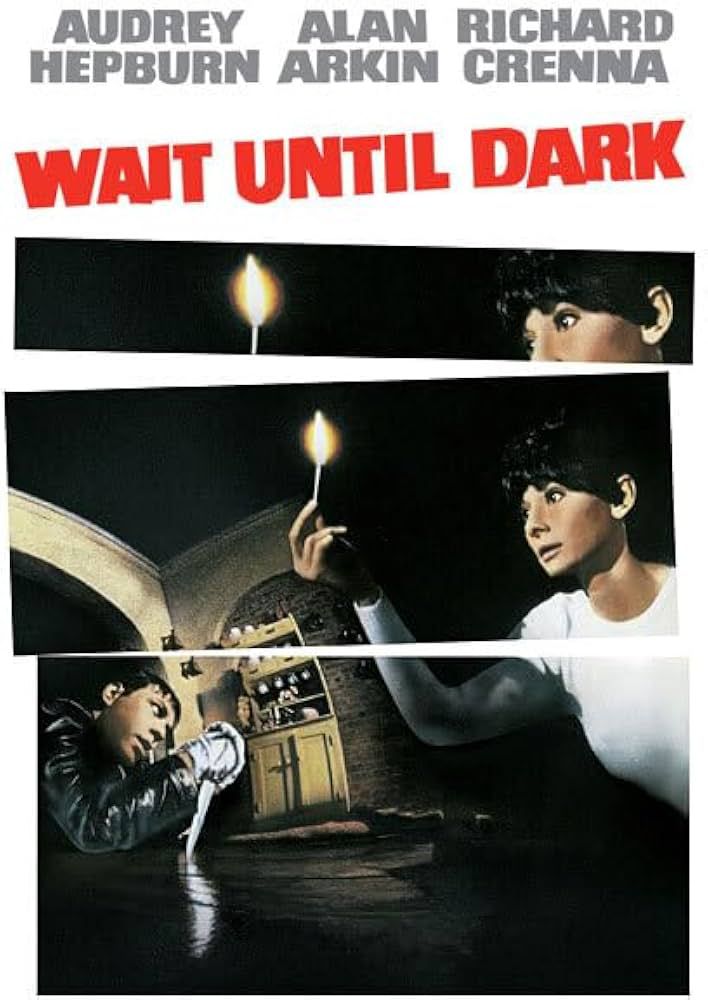
    Audrey Hepburn plays Susy Hendrix, a remarkably chipper, recently blinded homemaker married to a photographer. Ahh, the irony—her husband is an artist, yet she’ll never see his work again.

    Wait Until Dark debuted as a play in 1966, which is remarkable to me. An actually scary play back then? Much of the tension takes place in total darkness, using clever lighting tricks. It must’ve been fantastic to see live.

    Fun fact: it ran for 374 performances on Broadway, and for each one, Robert Duvall fell down a small flight of stairs. He wasn’t the only one. Was the impact worth it? Why does she live in a basement? It is a miniscule aspect of the production, but it adds impact to the big moments. Stage actors really will die for their craft.

    The movie is great for a few reasons. First, the dialogue is top-notch. The villains are smart and strategic, the good guys are joyful and resourceful, and everyone feels believable.


    The direction is equally strong. Terence Young doesn’t let the camera sit still—the apartment is seen from every angle, which is perfect for a thriller where space matters. You know the stakes of every movement, and it’s nerve-wracking to wonder whether she’ll take that extra step or remember where the knife is.

    The obvious reason to see Wait Until Dark is Audrey Hepburn. She’s never been better—not just because she plays blind so convincingly. Probably no one else could play optimistic and cheery as well, and her performance is as chilling as any late ’70s scream queen.

    The movie expands beyond the single-set apartment, but only a little. There’s a dialogue-free airport intro, and a memorable scene where neighbor Gloria cons her way out. You see the street and a phone booth that keeps ringing. Still, it feels like a filmed play. With more liberties, it could’ve reached Hitchcock’s level.

    Most of the details are perfect, but the other key reason it works—besides Audrey—is the music. Henry Mancini’s score deserves a place beside The Exorcist and Halloween as one of horror’s creepiest. Dissonant, eerie bells—likely prepared piano and vibraphones—create a distinct sound. It’s been ripped off plenty, but still feels fresh. There’s not much of it, but it doesn’t need much to build dread.

    I watched The 101 Scariest Movie Moments of All Time on Shudder, and this was featured. I’m always wary of horror clip shows spoiling moments, but I was happy with how things unfolded. Modern audience scores on platforms like the IMDb are very high, especially for a horror movie from before the genre got truly scary.

    The biggest scares come from small things. It plays on our fear of strangers, of not locking the door, of being blind, of trusting elaborate lies. It was a different world in 1967—precautions weren’t widely adopted yet, because there weren’t many cautionary tales like this.

    Violent crime more than doubled from 1966 to 1970, showing a real need for stories that reflected a changing world. The film did its job—earning $17.5 million in the U.S. (about $170 million today). It was a major step in horror’s evolution, and in helping people see the world differently. I’d call it the next big step after Psycho.

    8.5/10

  • The Vast of Night (2019)

    My 27 Movie A-Z Film-a-thon: Day 23.


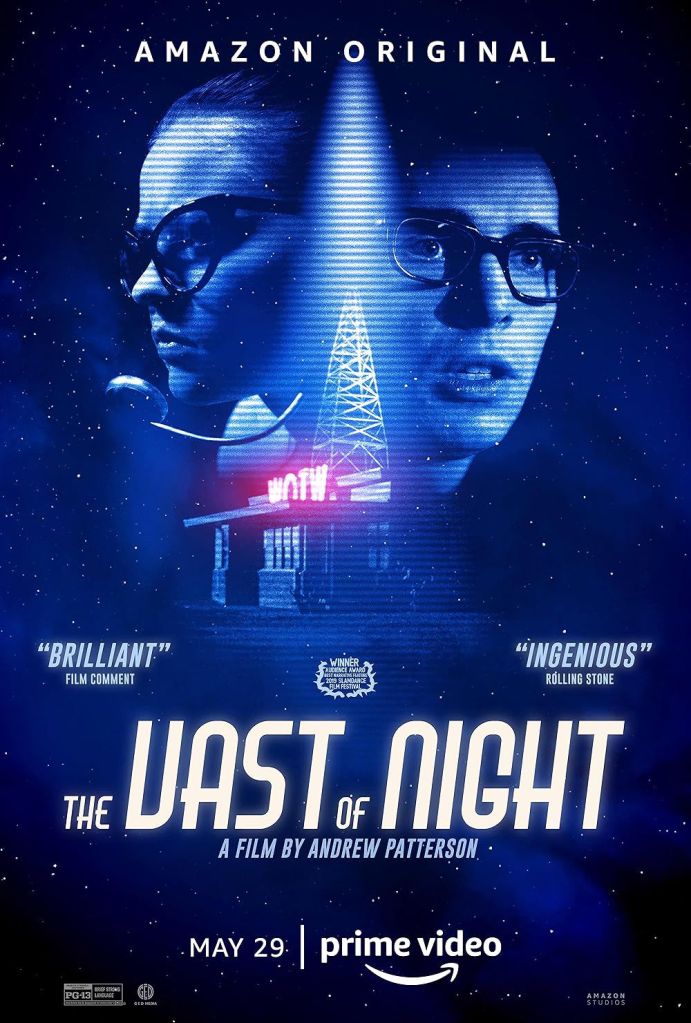
    The Vast of Night is about two young people in 1950s New Mexico at the start of their careers. Fay is a nighttime telephone operator, and Everett is a radio DJ whose show often overlaps with her shift. The two exchange ideas about radio frequencies, communication technology, and on-air topics while they record. As they head to a high school basketball game, they cross paths with various townspeople—though they’re both really headed to work.

    The most obvious thing about The Vast of Night is that the first half is better than the second. This isn’t so much a movie as it is a directing showcase. “Look at all the neat tricks I can do,” first-time director Andrew Patterson seems to say. He opens with sharp dialogue and rarely lets up. Sierra McCormick (Fay) and Jake Horowitz (Everett) are natural performers, developing a clever, easy rapport. Patterson creates characters that exude charm—people you genuinely want to spend time with.

    The period details are outstanding. The dresses, the analog tech, the cars—all of it feels lovingly recreated. The production is fully amped up, as though this story needed the finest craftsmanship across the board. Small details are treated as vital clues in a puzzle larger than it appears. I’m just not convinced.

    If this were an episode of a TV show, I’d rave about it endlessly. I don’t want to say it adds up to nothing, but it does the hardest parts so well that it’s easy to forget it skips over the essential elements of storytelling. It exudes atmosphere and builds a world that feels worth living in. Every moment is enjoyable. But… that’s about all I can say for it. The film needed a second act that ramped up the stakes, delivered strong set pieces, or introduced a plotline that lingered after the credits rolled. It’s safe to say almost anyone would agree it has none of those things.

    Now I want to see Andrew Patterson direct a full feature—something uniquely paced and emotionally resonant. Some of his more ambitious choices, like a long tracking shot across the entire town, don’t add much. It felt like a Disney World ride—cool, sure—but not necessarily the right tool for this particular story. It’s a sequence that flaunts the film’s budget rather than serves its mood or characters.

    Even the jobs feel a bit too easy. Being a telephone operator and a DJ is portrayed without much stress or realism. Fay singlehandedly routes every call with a few cable switches, with little else to do besides chat with Everett about a mysterious sound. Both of them can leave their posts whenever they want and don’t seem particularly obligated to return. A long-distance caller reaches Everett live—how did he even hear the broadcast? The small events that do occur feel rushed and improbable if this were a real emergency.

    This story would’ve benefited from taking place over multiple days. Even more, it begged to be a full-blown horror film. The atmosphere is there—it just needs a situation to match. I can try to make this more exciting than it is, but I know it isn’t. A movie like this demands a twist—or at least a plot turn that redefines everything we’ve seen. Instead, it builds to a sense of foreboding that ultimately feels a little dishonest. It’s a ho-hum thriller, made exciting only because of its promise of future projects this team might eventually produce.

    7/10

  • Umberto D. (1952)

    My 27 Movie A-Z Film-a-thon: Day 22.

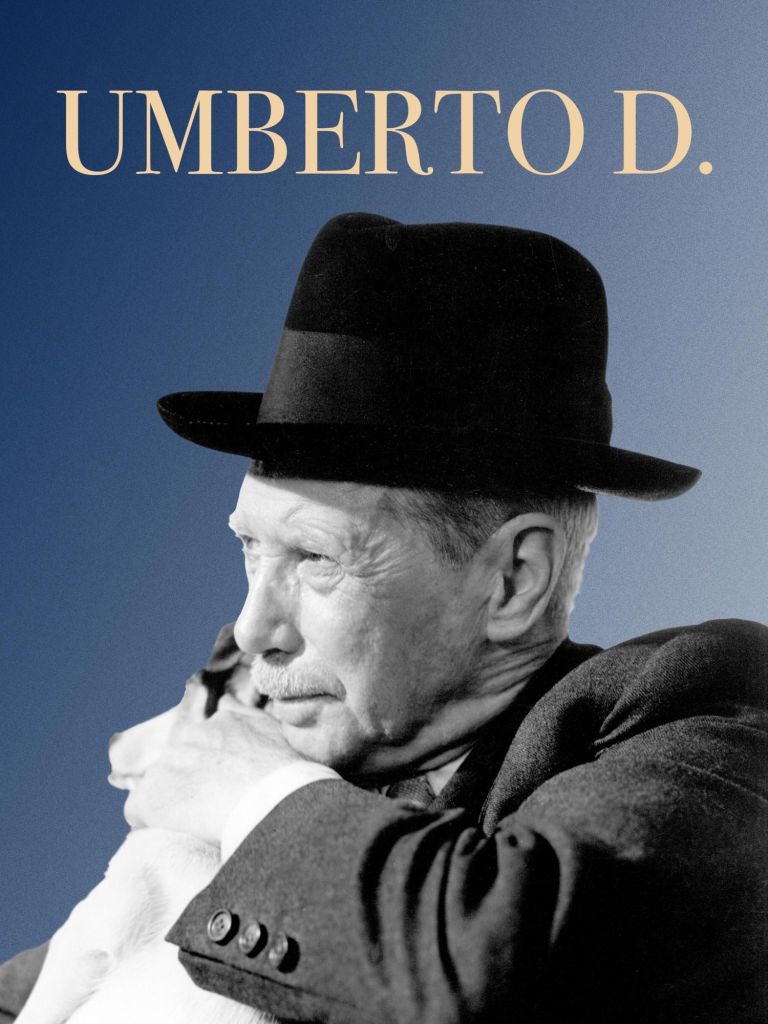
    The second most famous film by the director of Bicycle Thieves may not reach the same heights as that masterpiece, but Umberto D. is a sincere and modest minor tragedy—quiet, sad, and human. It’s the second film I’ve seen (after Make Way for Tomorrow) that centers on an elderly person who’s waited too long to address rent or mortgage problems, only to face impending homelessness. In this case, Umberto lives alone with his  dog, Flike—and he fears homelessness more for the dog’s sake than his own.

    Umberto D. is a prime example of Italian Neorealism, a genre defined by minimal plot, focus on the working class, and an emphasis on realism and humanism. Director Vittorio De Sica employs nonprofessional actors, with Umberto played by Carlo Battisti, a retired professor. His inexperience brings a vulnerability that feels lived-in.

    The film follows Umberto Domenico Ferrari, a retired government employee, as he tries to navigate postwar Italy’s economic realities. Early on, we see him walking a picket line to demand an increase inn their inadequate pensions, which are hardly enough to cover rent. His landlady, Antonia, is of the unsympathetic upper class. She wants him out, not out of necessity, but so she can remodel to entertain upper class guests. She refuses partial rent and even endangers his dog. Her cruelty seems rather exaggerated, but maybe not entirely unrealistic.

    As modern viewers, we might wish for more context. Did Umberto once have a family or a partner? Is Antonia struggling as well? These omissions prevent the film from becoming truly layered. The sadness here isn’t melodramatic; it’s cumulative, arising from isolation and desperation. Umberto has peers who might care for him, but his pride gets in the way. “I shouldn’t be in this situation!,” he seems to insist—but he is.

    The final 15 minutes are rather fantastic, and they elevate the film into that special place. The story is simple but it lingers. Umberto still receives a pension, and it should be possible to scrape by—yet he’s adrift. When the world you expected crumbles, it’s hard to see a way forward. The film doesn’t try to inspire, but it brings dignity to a story of quiet struggle. You come away feeling like you truly knew this man. This is a story that is painfully common, yet rarely told.

    9/10

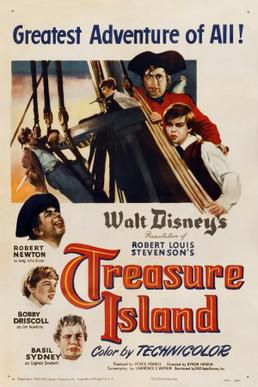
  • Treasure Island (1950)

    My 27 Movie A-Z Film-a-thon: Day 21.

    “Aye aye, matey.”

    Why do people think this is what pirates sound like? That phrase pops up in Disney’s Pirates of the Caribbean ride, but it actually traces back to Treasure Island—specifically this 1950 Disney movie. No one says “matey” in the original book.

    Young Jim is swept into an expedition with a doctor and a squire (where is Jim’s mother?) after a mysterious stranger gives him a treasure map. They bring along the doctor’s cook—Long John Silver—who just so happens to be the most obviously suspicious man imaginable. Silver stages a mutiny, takes over the ship, and reveals himself to be a pirate.

    The film oozes with stylized lore. Its success hinges on selling the mythos of piracy, and Robert Newton couldn’t be better. He drips pirate swagger—almost too much. Why would a respectable doctor hire such an obvious pirate as his cook?

    The movie seems to imply Silver was planning this all along. But if he was already a pirate, why was he working for the doctor before the map ever appeared? His presence aboard the ship only makes sense if the doctor was recruiting a crew after the map, as in the book. But this version rearranges events in a way that creates plot holes rather than clarifying anything.

    Also: Silver is already missing a leg at the start, but the film never tells us why. It’s a missed opportunity—there’s no story behind it, not even a throwaway line. Did he lose it to gangrene? Did the doctor never ask? It’s one of many curious narrative gaps.

    Treasure Island is good, not great. It’s historically significant and offers one of cinema’s most iconic pirate performances, but it doesn’t add much to the source material or the pirate genre overall. It leans heavily on atmosphere, production design, and Newton’s performance, while glossing over character logic and story coherence. Still, it’s a film I wouldn’t mind revisiting—if I were marooned on a desert island and had nothing better to do.

    7/10