A sheet, a pie, and a lot of waiting
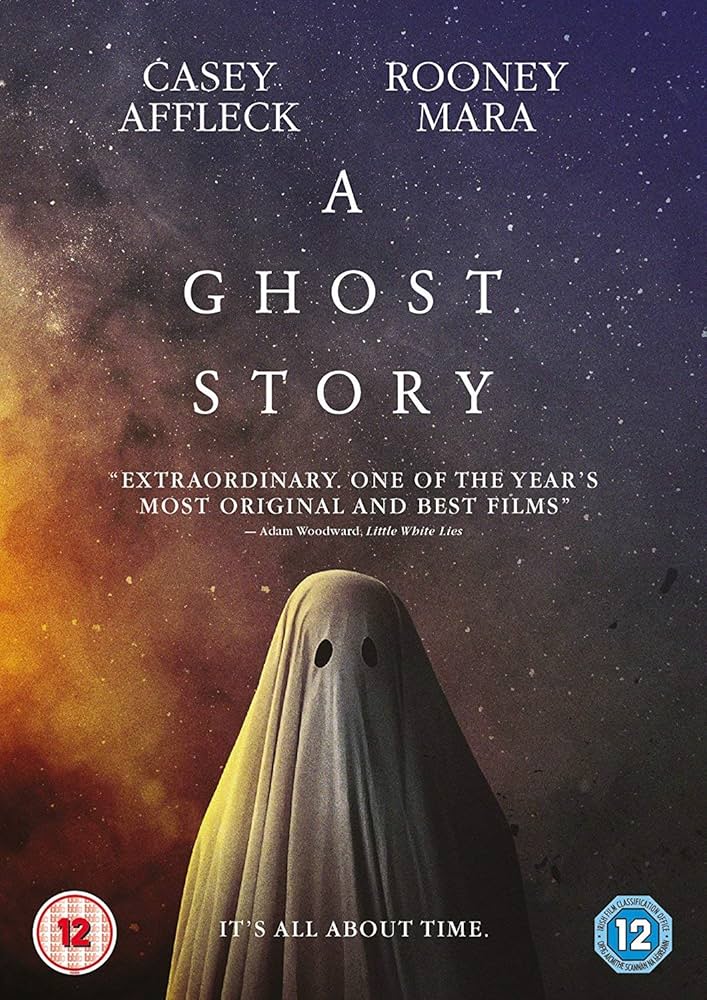
David Cross once called Alvin and the Chipmunks 3: Chipwrecked “the most miserable experience of my life.” He only did it for the money, as he wanted to find funding for some of his own passionate projects. Sensing utter desperation, a producer coerced David into conditions he felt were pointless. In one scene, he wore a Pelican mascot costume, for real, for days worth of filming during extreme humidity. A stunt person or extra could have been in the costume instead, and, even worse, his character was not even supposed to actually be in the costume. The audience was only supposed to think that he *might* be in the costume.
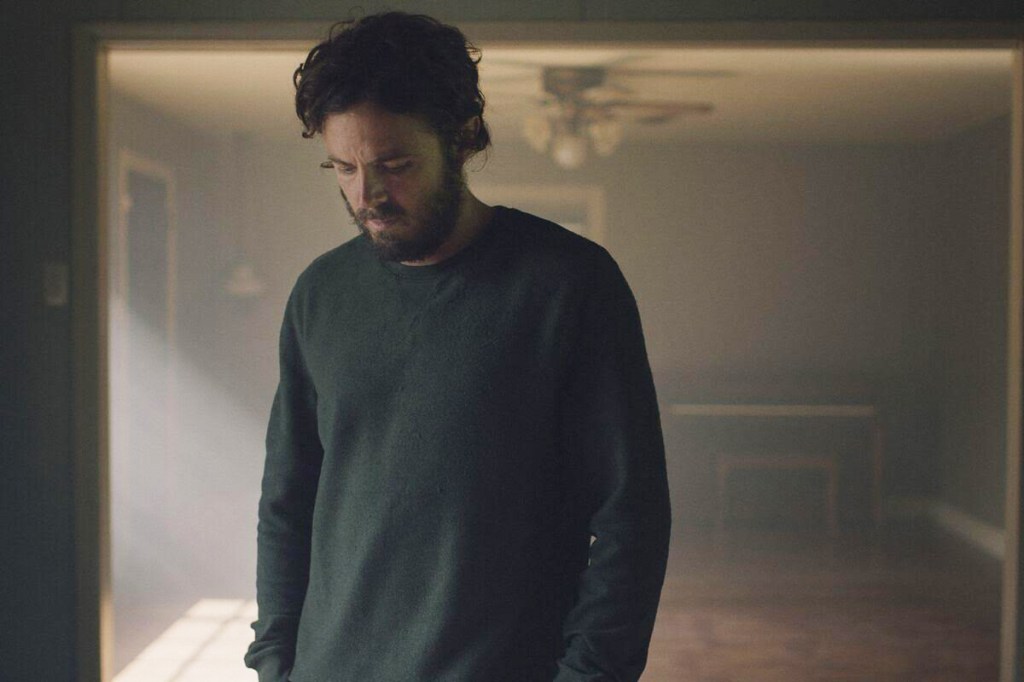
I thought of that while watching this haunted little movie. Apparently, Casey Affleck was always underneath the sheet in A Ghost Story—a lot more than he ever needed to be for the experience to be, I’d say. Sometimes, hiring a major actor for a role where you can’t see their face qualifies as stunt casting, especially when they are given so little to -do-.
.
The visuals are the primary draw here. Everything is impeccably framed, with a little bit of vignette on the outer corners of the frame. It’s as though a ghost is remembering their past as if they were watching a vintage home movie. There is a Tsai Ming-Liang level of action happening onscreen here. I feel like I need to research more about the house where this was shot. Whereas in Goodbye Dragon Inn, Tsai focused on a movie theater’s final days before it was shut down, focusing on all of the grody little details that still existed there: the leaky roof, the cruisiness of its usage by gay men. I felt like Tsai looked at the theater, saw it was going to be demolished, so he gave an assignment to himself. How can he capture the majesty of a theater, it’s downfall, and somehow preserve it. Goodbye Dragon Inn was a movie about the very worst days of a once majestic theater.
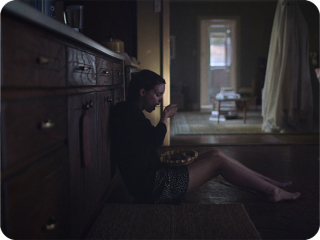
A Ghost Story’s backstory is a little less noble. Yes, the house was condemned, but the story came first. David Lowery found a house from a list of buildings that were to be torn down and used the film’s budget to fix it up to make it look more livable as a family home before its eventual destruction. Whereas in Goodbye Dragon Inn, Tsai incorporated a character who moved extremely slowly with one leg that couldn’t move so you could really take in the atmosphere of the theater, there are shots in A Ghost Story where nothing happens for almost no reason. The most memorable scene in A Ghost Story comes when Rooney Mara grabs a dish left for her on a table, sits at the wall for some reason, and pierces the fork right in the center of the tin. I thought “Are we going to watch her eat this entire pie in one shot?” There is nothing else to look at. There is a ghost and a piano. Old, undecorated suburban houses are not that interesting to look at, so we just watch her, chomping away.
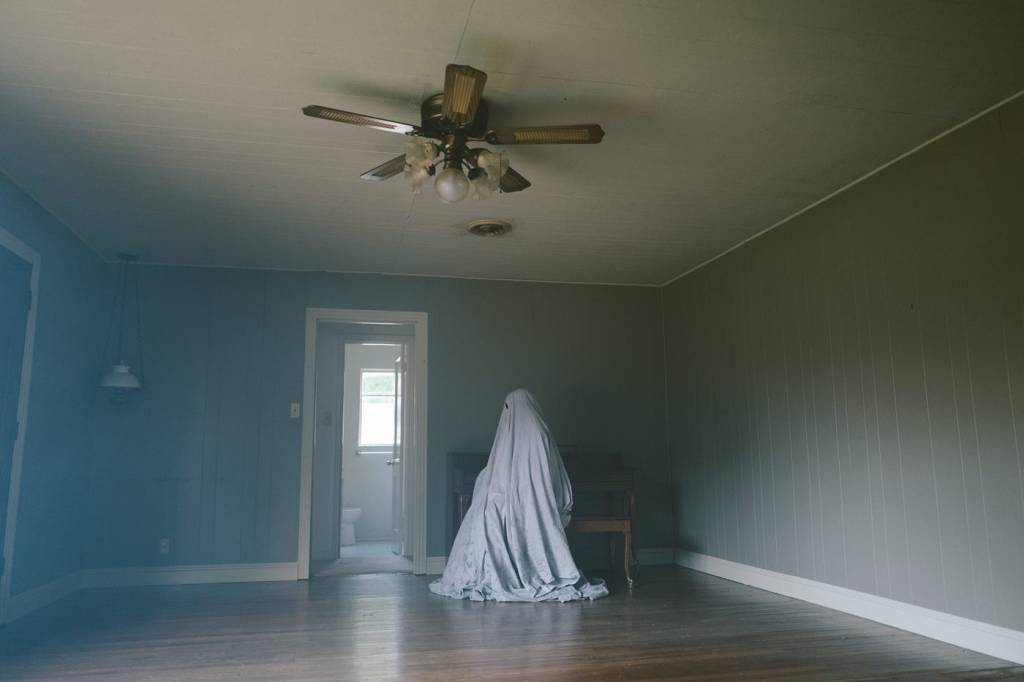
I liked the pacing of A Ghost Story. It was like Tsai Ming Liang or Apichatpong Weerasethakul without the purpose. There is nothing that makes me roll my eyes as quickly as the idea that a ghost might be haunting an old house, but I do love the folklore tradition of ghost stories. There is truth in that aspect, that ghosts are more bound by a location than by time. I understood the main point of the movie: someone who believed in his own love so deeply that, once he died, he becomes his own self-fulfilling prophecy. “Wait… I have been haunting myself for years? Why?” Tsai makes slowness feel like observation; Lowery makes it feel a little like homework.
7/10
 Avidavr: Media Reviews
Leave a comment