Tag: indie film

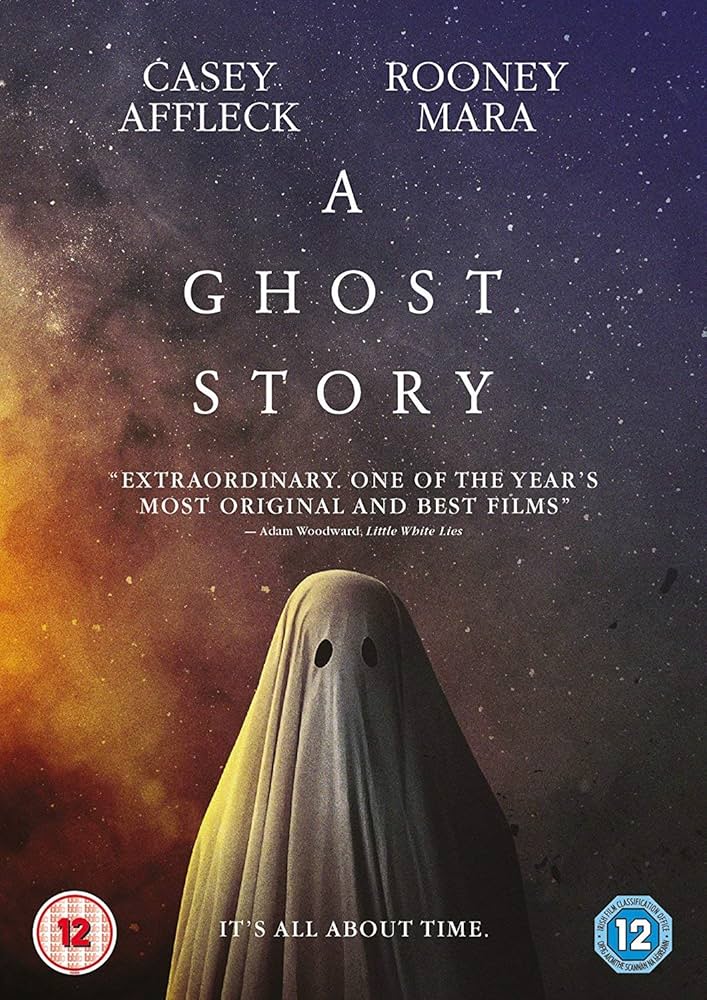
  • A Ghost Story (David Lowery, 2017)

    A sheet, a pie, and a lot of waiting
    David Cross once called Alvin and the Chipmunks 3: Chipwrecked “the most miserable experience of my life.” He only did it for the money, as he wanted to find funding for some of his own passionate projects. Sensing utter desperation, a producer coerced David into conditions he felt were pointless. In one scene, he wore a Pelican mascot costume, for real, for days worth of filming during extreme humidity. A stunt person or extra could have been in the costume instead, and, even worse, his character was not even supposed to actually be in the costume. The audience was only supposed to think that he *might* be in the costume.
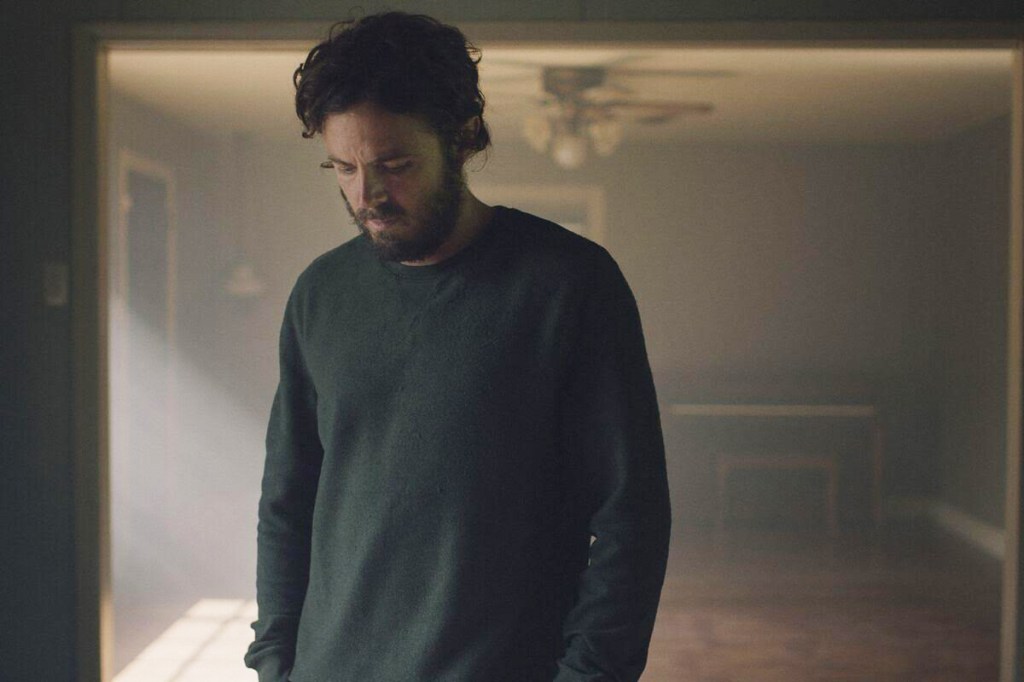
    I thought of that while watching this haunted little movie. Apparently, Casey Affleck was always underneath the sheet in A Ghost Story—a lot more than he ever needed to be for the experience to be, I’d say. Sometimes, hiring a major actor for a role where you can’t see their face qualifies as stunt casting, especially when they are given so little to -do-.

    .

    The visuals are the primary draw here. Everything is impeccably framed, with a little bit of vignette on the outer corners of the frame. It’s as though a ghost is remembering their past as if they were watching a vintage home movie. There is a Tsai Ming-Liang level of action happening onscreen here. I feel like I need to research more about the house where this was shot. Whereas in Goodbye Dragon Inn, Tsai focused on a movie theater’s final days before it was shut down, focusing on all of the grody little details that still existed there: the leaky roof, the cruisiness of its usage by gay men. I felt like Tsai looked at the theater, saw it was going to be demolished, so he gave an assignment to himself. How can he capture the majesty of a theater, it’s downfall, and somehow preserve it. Goodbye Dragon Inn was a movie about the very worst days of a once majestic theater.
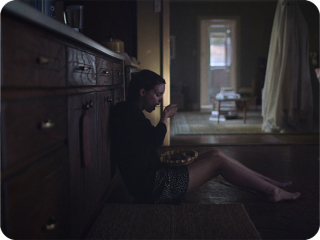
    A Ghost Story’s backstory is a little less noble. Yes, the house was condemned, but the story came first. David Lowery found a house from a list of buildings that were to be torn down and used the film’s budget to fix it up to make it look more livable as a family home before its eventual destruction. Whereas in Goodbye Dragon Inn, Tsai incorporated a character who moved extremely slowly with one leg that couldn’t move so you could really take in the atmosphere of the theater, there are shots in A Ghost Story where nothing happens for almost no reason. The most memorable scene in A Ghost Story comes when Rooney Mara grabs a dish left for her on a table, sits at the wall for some reason, and pierces the fork right in the center of the tin. I thought “Are we going to watch her eat this entire pie in one shot?” There is nothing else to look at. There is a ghost and a piano. Old, undecorated suburban houses are not that interesting to look at, so we just watch her, chomping away.
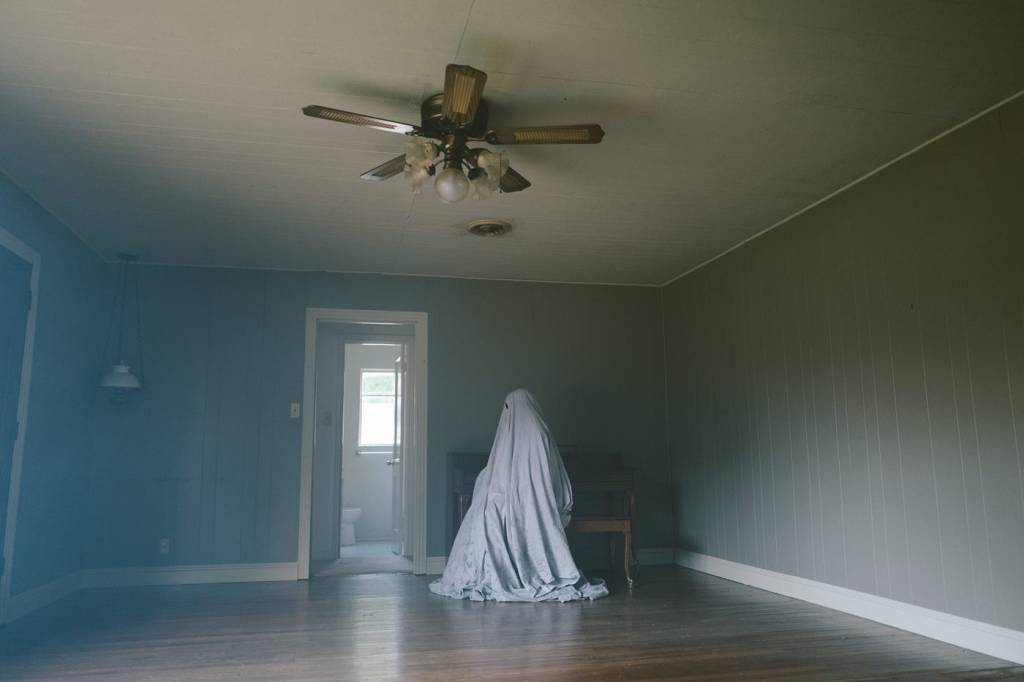
    I liked the pacing of A Ghost Story. It was like Tsai Ming Liang or Apichatpong Weerasethakul without the purpose. There is nothing that makes me roll my eyes as quickly as the idea that a ghost might be haunting an old house, but I do love the folklore tradition of ghost stories. There is truth in that aspect, that ghosts are more bound by a location than by time. I understood the main point of the movie: someone who believed in his own love so deeply that, once he died, he becomes his own self-fulfilling prophecy. “Wait… I have been haunting myself for years? Why?” Tsai makes slowness feel like observation; Lowery makes it feel a little like homework.

    7/10
  • Day 7: Heretic (2024)

    Goal: Find the most notable current sleeper horror hit.

    What I know about it:

    Next to nothing. It’s got a 90% on Rotten Tomatoes and a 71 on Metacritic. For this week’s theme, I wanted a movie that feels big but that I somehow know literally nothing about.

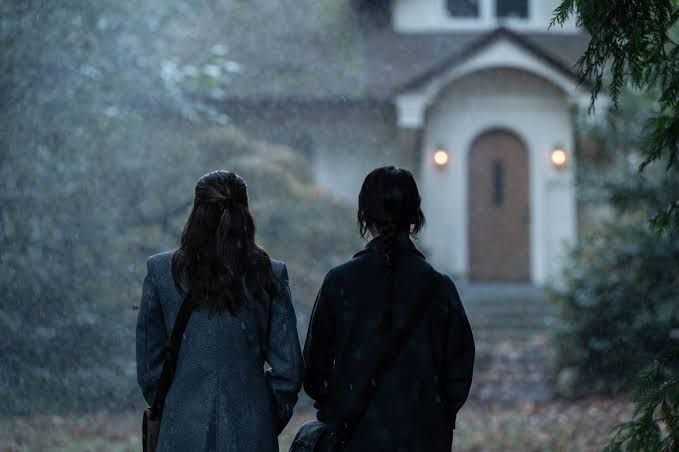
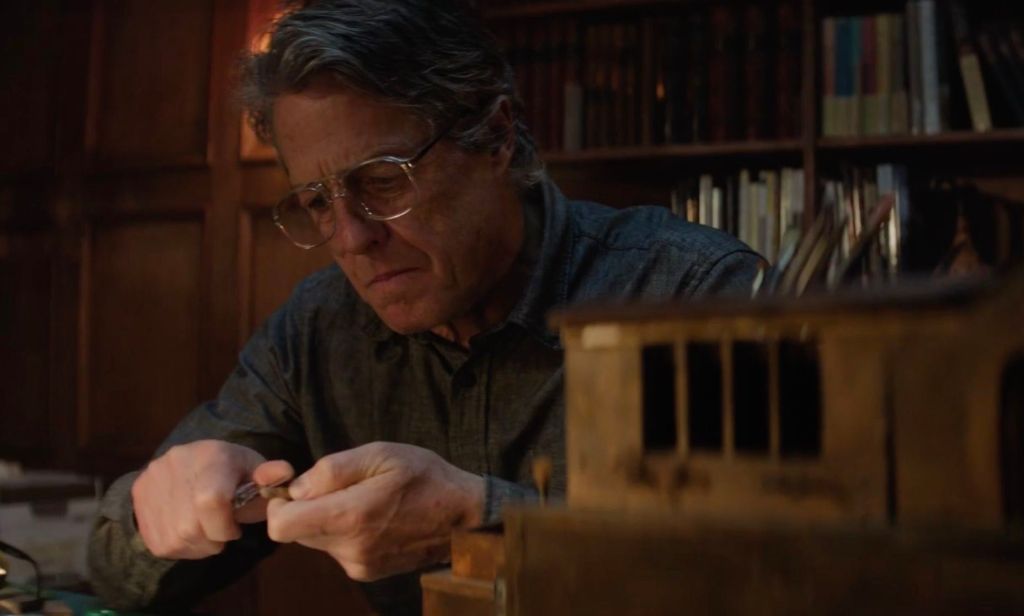
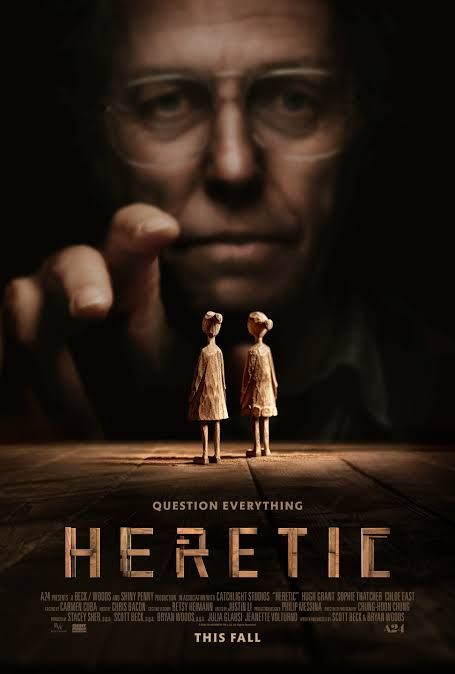
    It has Hugh Grant and it seems to be about Mormons. He’s some kind of weird loner with a torture house. It seems like the movie everyone will still be talking about in five years. Just a hunch. Let’s see if I’m right.

    After the movie:

    Do you remember when Bend It Like Beckham came out, and at first you wondered how they got Kate Winslet to seem 18 years old? Then you realized it wasn’t Kate Winslet but her strange, skinny doppelgänger named Keira Knightley? She ended up going pretty far, mostly because a lot of screenwriters had been writing parts for Kate Winslet five years earlier — and Winslet would’ve turned them down anyway. Keira Knightley turned out to be great. But she was no Kate Winslet.

    Sophie Thatcher is the new Keira Knightley. She’s not getting cast in parts written for Kate Winslet — she looks and sounds exactly like Emma Stone. I’d wager Sophie Thatcher is actually a more natural actress. She’s great in Heretic, and even better in 2025’s sleeper hit Companion, which I actually recommend even more for this week’s theme: “the sleeper horror hit.”

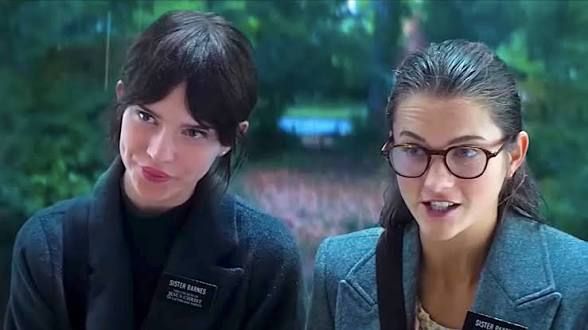
    Sophie Thatcher feels so much like Emma Stone that there’s a bit of a “new Coke” imitation effect going on. In Companion, that worked perfectly because she was supposed to feel like an imitation of the real thing. But in Heretic, there’s a little whiplash when she starts talking. How did this extremely smart, modern girl get cast as a Mormon missionary?

    If this movie had been made twelve years ago, Emma Stone would’ve been perfect. She had that “smart but innocent” quality — the thing that peaked with Poor Things. Sophie feels like Emma’s 12-years-younger little sister who also decided to act. Seeing this modern, post-ironic type trying to convert unsuspecting Christians to this quirky, folksy little underdog religion… I just wanted to say, “Shouldn’t you be in Brooklyn? Go home.”

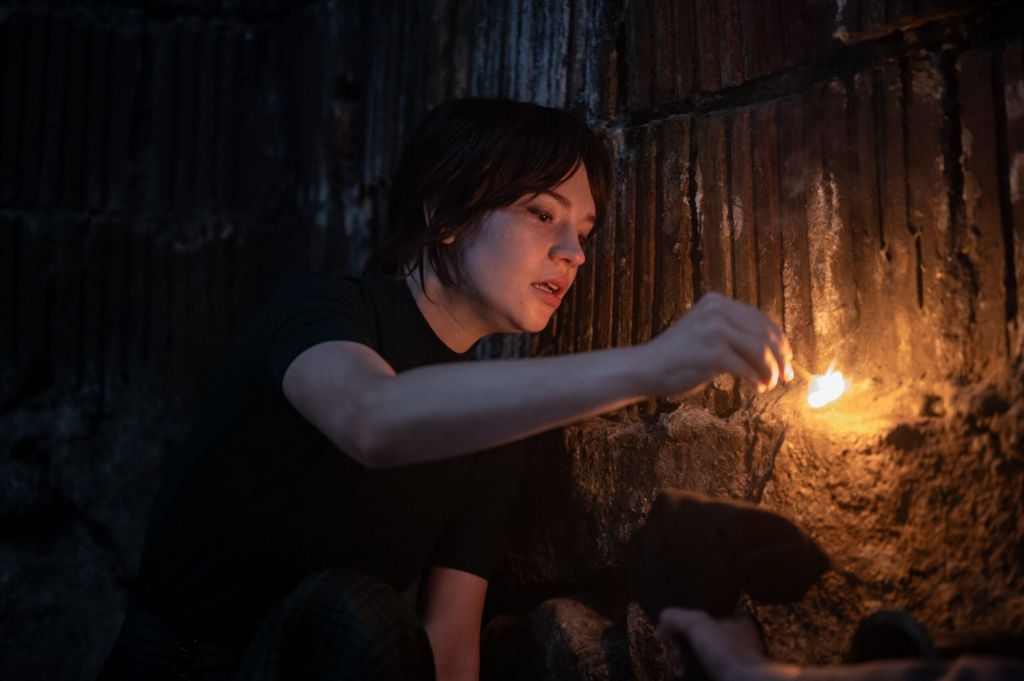
    I’m stalling. What was the movie and what did I think of it? It was small and imteresting. Honestly, it feels like it could’ve been a play — maybe one converted to film at the last second. This is a horror movie tailor-made to play at sorority movie nights at Brigham Young University. Modern girls who freely explore the world, who’ve seen South Park and homemade internet porn, yet firmly believe in their mission: to tell the world about their faith. They’re believable. Exactly as good as young people who’ve never had a reason to question what they believe.

    On the other side of that coin is Hugh Grant as Mr. Reed, the titular “heretic” — every Mormon missionary’s worst nightmare. The poster has him smiling, staring at a game board with the two sisters as miniature chess pieces. Mr. Reed plays with them like a cat tossing a mouse, keeping himself amused before the kill. “You still believe that my wife is in the other room baking blueberry pie, despite all the evidence to the contrary.”

    Heretic has a handful of great ideas, and kind of a boatload of padding. Case in point: in addition to religion, Mr. Reed is obsessed with copyright disputes. He brings up two examples — Monopoly and “Creep” by Radiohead — as evidence that remakes and copies are more successful than originals.

    He’s got a point with Monopoly. I’m a board game hobbyist, and even I’d never heard of The Landlord’s Game, the 1904 prototype Monopoly ripped off almost entirely. Looking it up online made me respect it even more. One of its “Chance Cube” outcomes said, “5: Caught robbing a hen-roost: Go to jail. 10: Caught robbing the public. Take $200 from the board. The players will now call you Senator.” You can’t copyright board-game mechanics — or religious texts, for that matter. Mr. Reed makes that point too: religions are all just cover versions of each other.

    Where he loses me is with his deep affection for The Hollies’ “The Air That I Breathe.” Yes, the guitar progression is the same as “Creep,” and Thom Yorke’s phrasing is similar. But “The Air That I Breathe” has no hook. It’s a song no one under 70 cares about. The Hollies were basically the Thomas Edison of 1970s pop — taking half-forgotten ideas and dressing them up without subtlety. I’d have been way more impressed if Mr. Reed compared Joseph Smith to The Hollies directly, and left Radiohead out of it.

    Screenwriter, I see what you’re doing. But no one likes that song.

    But that last shot? Very good — it should be studied. It’s nice when little moments call back and actually have purpose. There’s a famous movie that ends with a man believing he survived a horror, cutting into a birthday cake… and we realize he’s still trapped, imagining a happy ending. Heretic’s ending is like that — but more artful. It’s not trying to scare you with a hand bursting from the ground next to a gravestone. It’s believable — truthful about what happens to the mind when coping with an actual human tragedy. A perfect little movie moment.

    Still, this is a decent movie. It feels like a filmed play — one that’s not really worth seeking out unless you’re curious. It doesn’t have much going for it other than novelty and a few twists, almost all in the first 40 minutes.

    If you see it, maybe you’ll agree.

    (That’s not a spoiler.)

    6.5/10