Goal: Find a classic monster movie.
I’m using “classic monster” loosely. Last year I saw Frankenstein, Dracula, and The Invisible Man. This year I considered Cat People and Them! — not traditional monsters, but they’d fit the idea.
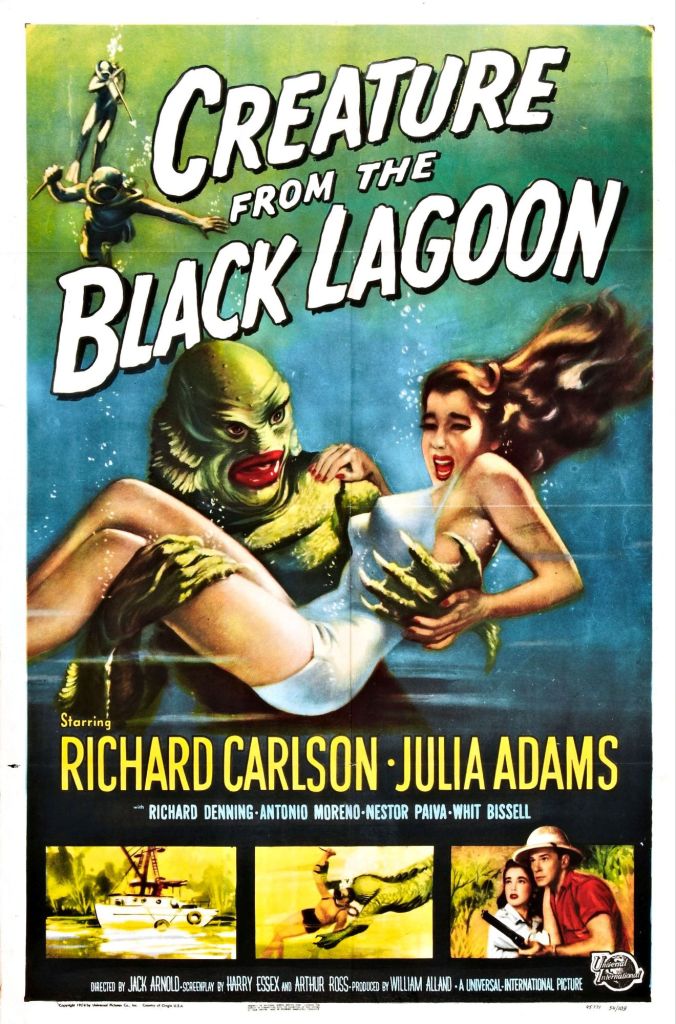
Creature from the Black Lagoon (1954)
What I know about it:
When I was at Earlham College in the 2000s, I was in movie club. We screened The Return of the Creature in a room that doubled as a physics lecture hall and a weekend theater. It had a real projection booth and 16mm equipment.
We showed it in 3D — the red-and-blue kind. Technically, it worked, but with a nauseating color filter. You’d want to take the glasses off after thirty minutes, try watching without them, then say, “Dear Lord. Guess I gotta put these back on.” Nauseating either way.
The plot? Something about a swamp creature in a rubber suit carefully picking up women who faint — one arm under the knees, the other behind the neck. No strong character work. Cheesy but nostalgic. I hoped the original Creature would make the sequel feel more complete. I gave Return a 7.
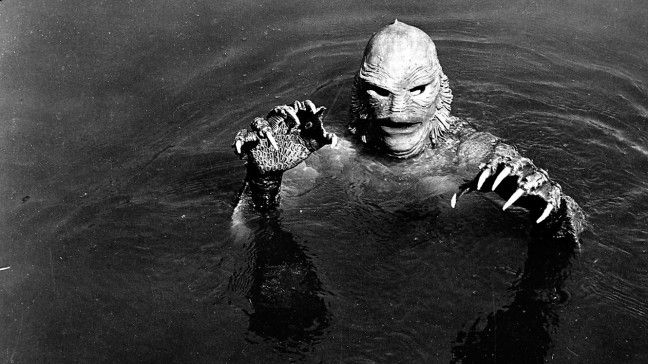
Shortly after starting it:
Wow — this score! The music in these old Universal horror films makes or breaks them, and Creature succeeds. It was shot in 1.37:1 but composed to be cropped to 1.85 (widescreen). It looks forward-thinking — similar to Touch of Evil, though that one was cropped more seamlessly.
After the movie:
This movie is quite a spectacle for 1954. Every shot has layered detail. It’s a “made-for-the-trailer” film in the best sense. Much of it takes place underwater — the Avatar: The Way of Water of its day. Tarzan and His Mate (1934) had six minutes of underwater footage; Creature has about fifteen, using new camera tech that would soon be used in 20,000 Leagues Under the Sea. For 1954, that was groundbreaking.
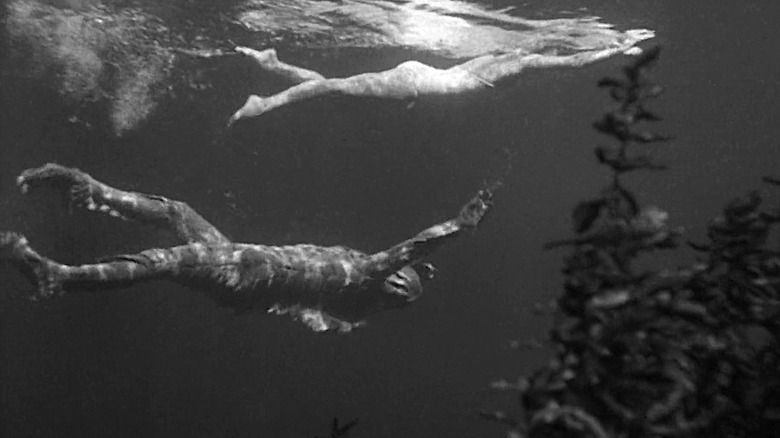
Thematically, I admire it. It’s about scientists exploring a fossil discovery and realizing they’ve found a living species worth protecting — years before “endangered species” became a household term. The script feels philosophically progressive for its time: pro-science, anti-hunting, closer to King Kong than most monster pictures of the era, or since. (Them!, Jaws)
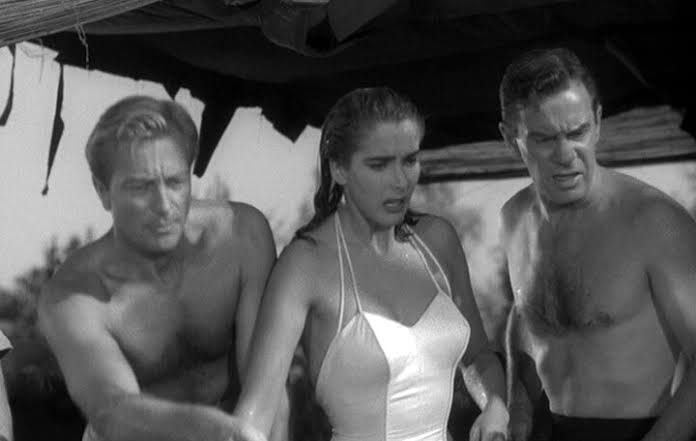
Problems: It wears out its welcome around the halfway mark. Once the underwater cinematography and creature design are established, there’s not much left. It has that “good enough” B-movie philosophy — great setup, undercooked follow-through. The dialogue is utilitarian, often missing chances for real thought or character. “Hi Jim.” “Did you check the meters?” “They’re fine.” That’s not an actual quote, but it captures the vibe. Very quick dialogue that doesn’t even need to be there. This was not written by a poet laureate.
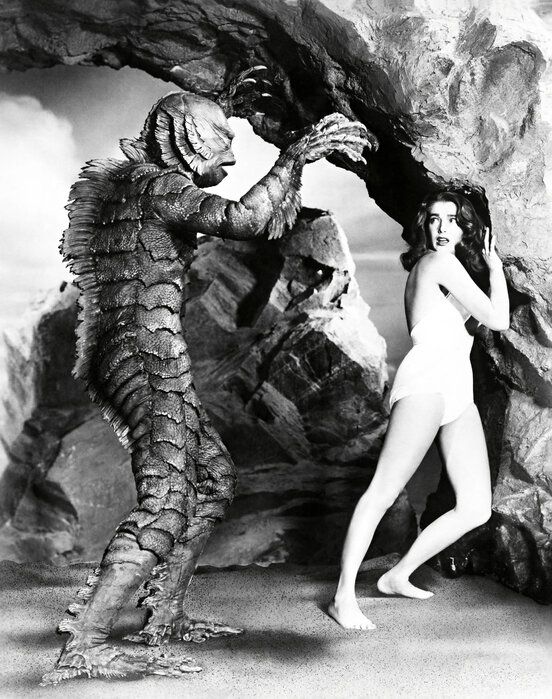
What elevates it is the score — some of the best classical writing in any monster movie. The dissonant brass motif (DUH-duh-DUUUH!) is iconic, with strings rippling like water. Composers Hans J. Salter, Herman Stein, and a young Henry Mancini stitched together a Frankenstein’s-monster of a score that somehow actually succeeds in sounding like a single piece of music. It’s beautiful and should be adapted into a drum and bugle corps or high school marching-band show.
Watching it reminded me of The Lost Skeleton of Cadavra, one of my favorite B-movie spoofs. This is where all those tropes were born — and it’s easy to love Creature sincerely while still thinking, “man, this is silly. I have got to tell the world about this ”
8/10
 Avidavr: Media Reviews