Blog

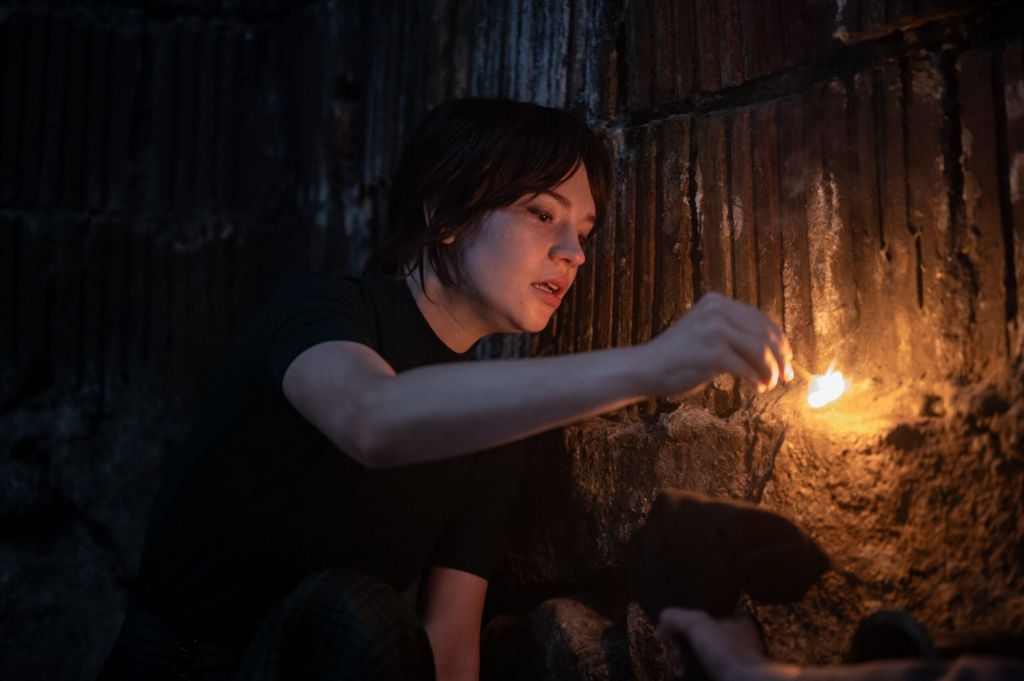
  • Day 15: Midsommar (2019)

    Goal: What is the one horror movie I would still like to watch before closing the book on this year’s project?
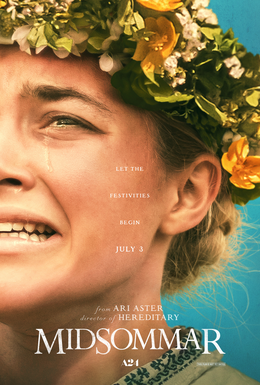
    What I know about it:

    Basically nothing. For years I assumed it had something to do with ancient Roman elites — something about the poster gave me a Caligula vibe; maybe it’s the hairstyle. Only now am I looking it up.

    Apparently it’s closer to The Wicker Man than I, Claudius: a remote European commune hosting a mysterious summer festival. I’ve heard it takes place almost entirely in daylight — a neat subversion for horror — and that it falls under the “folk horror” umbrella.

    So why watch it if I know so little?

    About a year ago, a friend told me it was really messed up. She stopped before spoiling anything — impressive, since she hadn’t seen it herself. That was enough to lodge it in my head.

    Also, I more or less tuned out new releases around 2019. As a rule:

    > If you were released between 2018–2021 and scored under a 77 on Metacritic, there’s a good chance I never heard of you.

    On paper, Midsommar was a hit — but the reputation seems complicated. It came after Ari Aster’s breakout Hereditary, and the consensus appears to be something like: “good, but not as good.” I never cared much for Hereditary anyway, so this actually raises my hopes. Sometimes the follow-up to a major work — the one that gets dinged for being weirder, less focused, or more self-indulgent — ends up being the real gem.

    It’s the Kid A to OK Computer: a stranger evolution of the same concerns, initially received as a disappointment but later appreciated on its own, maybe even preferred.

    I actually like Punch-Drunk Love more than Boogie Nights or Magnolia, so I’m open to the possibility that a “disappointment” can be the quietly great one.

    So I’m excited for this. Let’s hope this is the Return of Saturn to Hereditary’s Tragic Kingdom.

    After the movie:

    Hmm. That was a very pretty bad movie. It has all of the makings of a good moral fable, but it tries to do too many vague things with character motivations. Too many beats are awkwardly piled on at the same time, so the overall effect is watching a filmmaker grasping at straws.

    A key dynamic concerns Dani (Florence Pugh) and Christian, who are in a relationship that seems to continue mostly from inertia. Christian isn’t exactly the villain, but he is shapeless and passive. The film never fully convinces us why these two would have gotten together in the first place.

    Christian and his friends decide to travel to Sweden to visit a fellow student’s rural commune during the midsummer festival. Given their ages, you might expect a hedonistic vacation driven by drugs and hookups, but the draw seems more like cheap cultural tourism — the promise of “experiencing something authentic.”

    What educational value is there in Midsommar?

    What do we learn?

    First, there is a portion of Sweden where the sun does not set for part of the summer (“the midnight sun,” as they call it).

    Midsommar is a real cultural tradition across Sweden, and it takes place during the summer solstice, so the timing overlaps.

    The film also references ättestupa, a legendary cliff from which elderly people were said to leap once they became a burden to their family. Importantly, this is folklore only — there is no historical evidence that such a practice ever occurred. The stories were meant to shock or caution, not to endorse the act or portray it as noble.
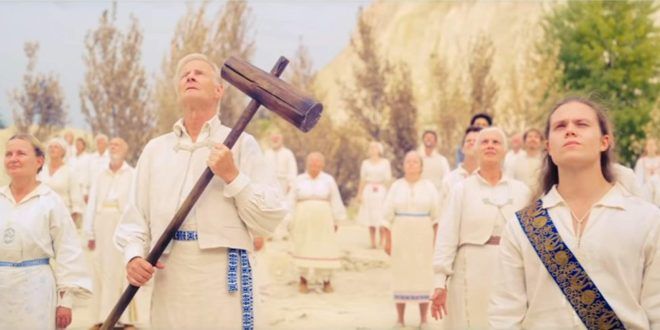
    The rest? Pure fantasy. The architecture of the ceremonial building is not based on anything recognizable in Swedish culture. There are no psychedelic rituals at Midsommar; no fertility ceremonies to choose a queen; no temples built intentionally to be burned to the ground. They could have made this about the Burning Man festival and it would have been just as true to factual life — if not more so.

    You also get the sense that Swedish people believe life is grounded in reincarnation, which is not representative of Swedish culture broadly; that’s an invention of the fictional commune

    So what is this movie trying to be?

    It imagines a culture that treats outsiders as expendable, but believes that someone with no family or sense of belonging can be absorbed into the group — if they are willing to surrender themselves totally.

    The most haunting part of the movie comes when Dani screams in furious grief and the surrounding women mimic her cries. They are not mocking her; it is presented as a communal expression of empathy.
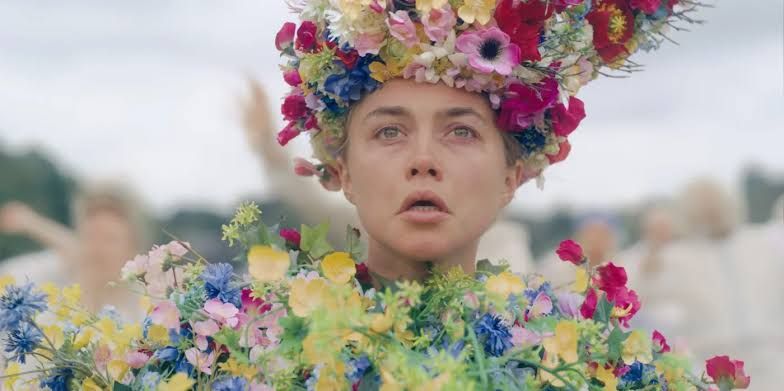
    Aster seems interested in how grief can isolate as much as it bonds. Dani’s personal tragedy is so extreme that she becomes untethered from ordinary life, and the commune offers what her real world does not: absolute emotional mirroring, however sinister the cost.

    In that sense, Midsommar is about the seductiveness of belonging. When genuine support systems fail or prove indifferent, even a dangerous one can feel like salvation.

    > “The last known whereabouts of his cell phone was where, officer?”

    5/10
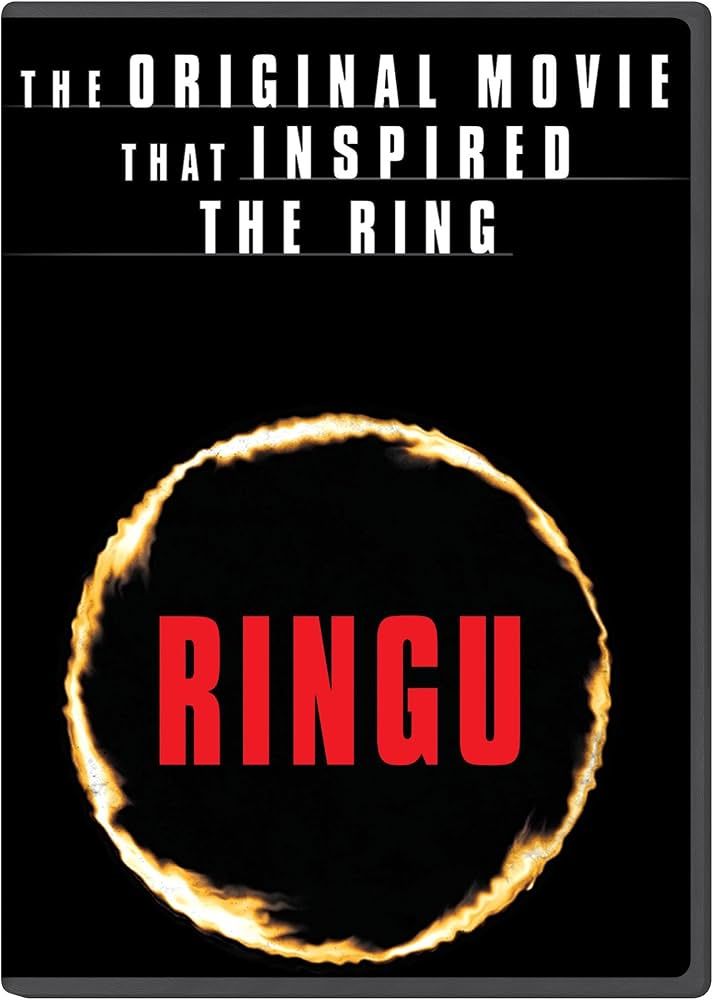
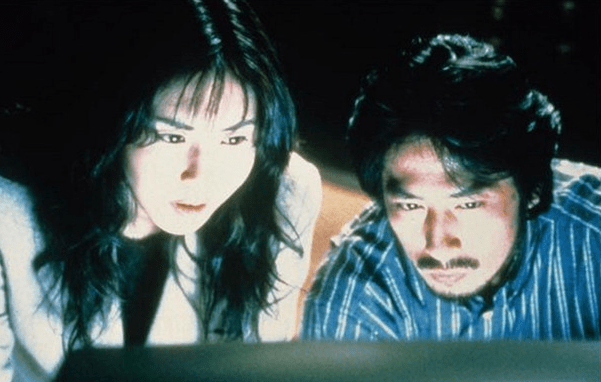
  • Day 14: Ringu (1998)

    Goal: Watch a foreign-language horror movie I would otherwise skip.

    What I know about it:

    I first saw The Ring on opening night in New York. Back then, I bought Entertainment Weekly’s Fall Movie Preview every year and kept a document on my computer with all my box-office opening weekend predictions through the end of the year. A weird hobby only a handful of us had. We all ended up on hsx.com — the Hollywood Stock Exchange — where you could buy pretend stock in movies you thought would overperform. You could make billions of completely useless Hollywood Dollars. Fun times.

    The Ring was coming out in October, and I hoped it would be a hit, though I had no real reason to think anyone else cared. It was Naomi Watts’s first movie after Mulholland Dr., which felt like a big deal to me for reasons that still don’t make sense. Directed by Gore Verbinski, a commercial director known for making things look expensive on the cheap. The official budget was $48 million, but I would’ve guessed closer to $90 million.

    The movie was fine. Scary enough. Absurd, but almost serious about it. Watching clips now, it’s clear the movie wanted to look like Fight Club. A lot of early-2000s movies seemed to have a Se7en complex — dingy greens, low light, evenly lit hallways. David Fincher should have demanded royalties.

    Ringu shows up in the “Best Horror Movies of All Time” conversation from time to time, though not as high as it once did. It was a real hit in Japan and had sequels before Hollywood remade it four years later.

    After the movie:

    VHS tapes were inherently creepy. For a time, I believed evil could will objects into existence — but only vaguely, and only cheap ones. A Rolex requires craftsmanship; a dusty tape labeled “Cheers ’89” is fair game for evil.

    If you ever edited on VHS, you know the feeling. Scrubbing through footage frame by frame, playing with the tracking — it felt like something horrifying could suddenly appear and ruin your day. I don’t know what I expected. A serial killer? A dead relative? My aunt Edith happily posing with Adolf Hitler?

    That whole category of urban legend basically died with streaming. If someone claims they saw something weird in their copy of The Sixth Sense, any college freshman can say, “Someone messed with that file. Re-download it from Vudu. It’s not there.”

    This is part of why DreamWorks jumped on this story. In 2002, VHS was already dying. A mysterious DVD that kills you wouldn’t make sense. No scratches, no rental sticker — too clean. A cursed VHS is believable.

    People sometimes compare Ringu to Halloween (1978), calling it the movie that kicked off a movement. I don’t see it. Halloween feels big — the score alone sounds like it cost millions. Carpenter’s theme tells you immediately: This is The Movie. Ringu, meanwhile, barely has a score, at least nothing recognizable, which makes it feel small and quiet — closer to Blair Witch than Halloween.

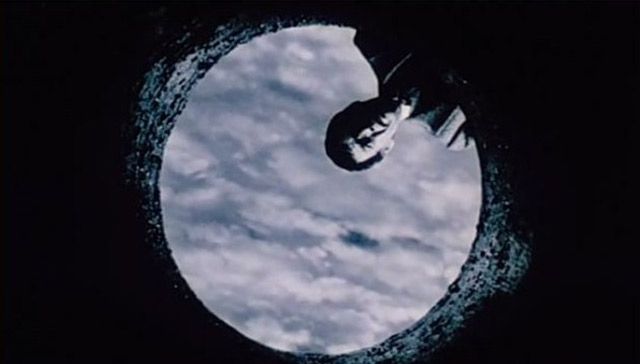
    The movie is much smaller than I expected. The tape in The Ring looks like a surreal Super Bowl commercial; the one in Ringu looks like a local car dealership’s Halloween ad. And since most people saw the remake first, it’s impossible not to compare everything.

    The ending is basically the same, but Ringu suggests instead of shows. No big moment — just an understated final beat.

    What works is that this feels like an underdog movie that succeeded despite having almost no money. Reiko feels proper — like someone raised to be respectful and polite. Naomi Watts was strangely unlikable by comparison. I remember her sitting on a counter in her son’s classroom and thinking, “Who does she think she is? Does she have no respect?” She played a reporter who treated social norms like optional settings. Why start by having your protagonist unlikable out of the gate?

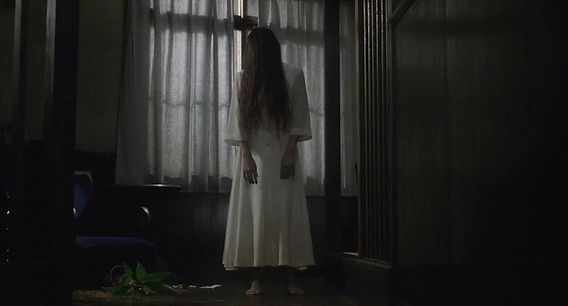
    The best parts of The Ring are here, but it’s doubtful they would’ve hit American audiences without Verbinski’s water-effects, CGI, and general “big movie” polish. When I think of The Ring, I picture Samara crawling out of the TV, neck twisting, jaws unhinging, like a demonic spider. I’m probably misremembering the details, but the feeling is correct: when she wanted you dead, it seemed inescapable.

    Ringu is so much smaller — almost quaint — the kind of vengeful ghost you could bring home to meet your parents. I knew the budget going in and got nervous when they were prying up a wooden fence with a crowbar.

    Are they really going to damage that? That’s $5,000 in repairs!

    Money is not on the screen here. It feels tiny — small enough that it’s hard to believe this kicked off a franchise, let alone a genre. But it develops its bizarre concept in a way that feels natural, with characters you can root for easily.

    Maybe too easily — no one really does anything wrong. You might beg to differ, but by the end, I wasn’t sure what the next step was. The mystery works; the morality is muted.

    The movie ends quietly, almost like a cliffhanger, as if the story only works if the sequels do. They don’t. Ringu 2 has a 7% on Rotten Tomatoes, and the franchise has now been long dormant. Final Destination, this is not.

    7 / 10

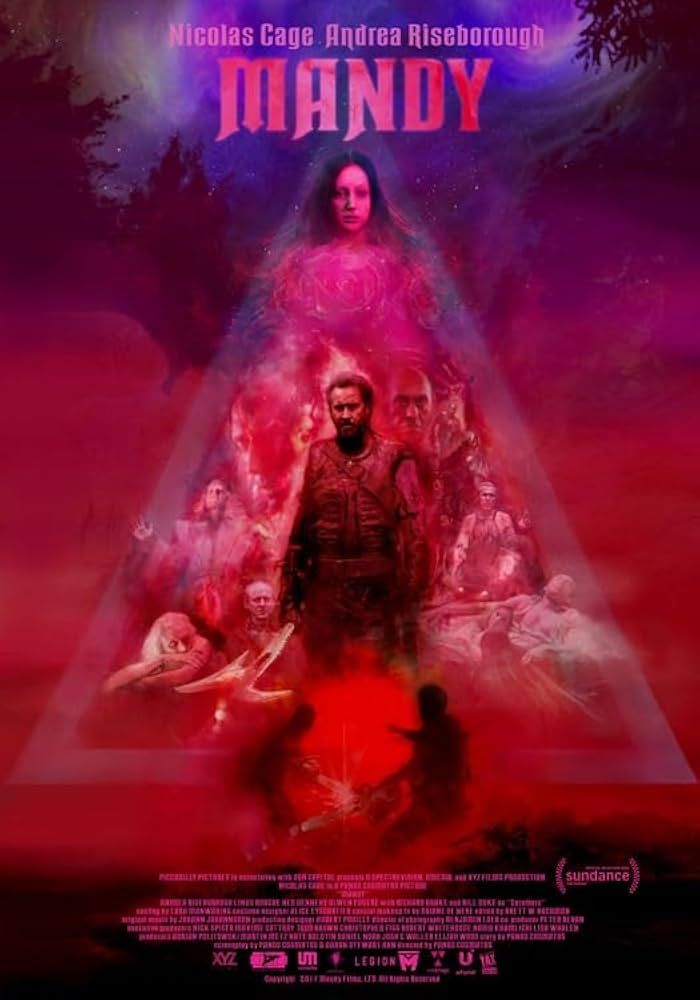
  • Day 13: Mandy (2018)

    Goal: Watch the midnight movie du jour.

    What I know about it:

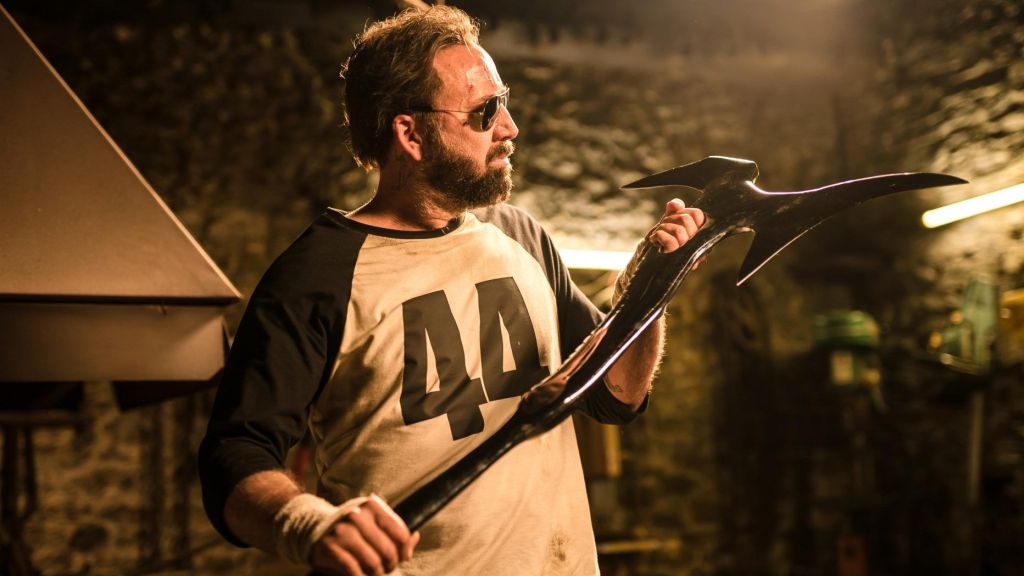
    It sounds like a big hit, but it wasn’t. A violent rampage movie about Nicolas Cage taking revenge on a hippie cult. It made $1.8 million on a $6 million budget. It has a reputation for being strange, slow, and surreal. It’s the kind of movie people see at midnight and talk about for years afterward. Perhaps.

    When I was putting this list together, my AI interface suggested I save Mandy for Halloween. I might still watch a few more of these before I put the project to bed this year, but this one felt like the right one for the actual day.

    It has an 83 on Metacritic, which makes it the third-highest-rated movie on my list so far, behind Eyes Without a Face (90) and Eraserhead (87). It’s tied with The Lighthouse. People talk about Mandy in that same category — one of those “you should have seen this by now” movies.

    After the movie:

    The movie I hoped it would be was better than the one it actually was.

    The first half is fantastic. Probably the best stretch of any movie I’ve seen during this project. The characters feel real, the dialogue is sharp and nuanced, and the direction is confident. The soundtrack is that retro ’80s synth style, like Drive or It Follows. The movie looks incredible — everything drenched in hot pinks and deep purples. I have never had a chilling association with this color scheme before

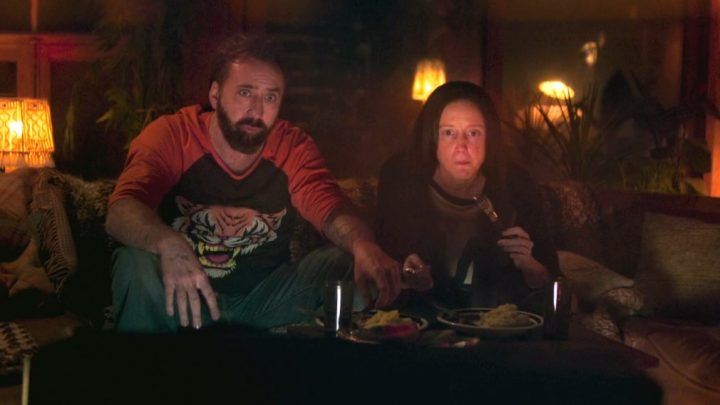
    The romance works brilliantly. Nicolas Cage is slightly miscast (far too old), but his scenes with Andrea Riseborough are tender and believable. They’re the kind of pair who seem to know that the best thing either of them could be doing — anywhere, anytime — is just being with each other.

    One of the best scenes involves Mandy talking about astronomy with Red. She asks him for his favorite planet. He says Saturn, and mentions that it was one of the first planets Earth discovered, so there are all these old legends about it. Then he changes his mind, referencing the strange cosmic stuff she’s been describing in the science-fiction novels she’s reading.

    > “I like Galactus.”

    “Galactus isn’t a planet.”

    “No, but he eats planets.”

    There’s no doubt that Red and Mandy are a perfect couple.

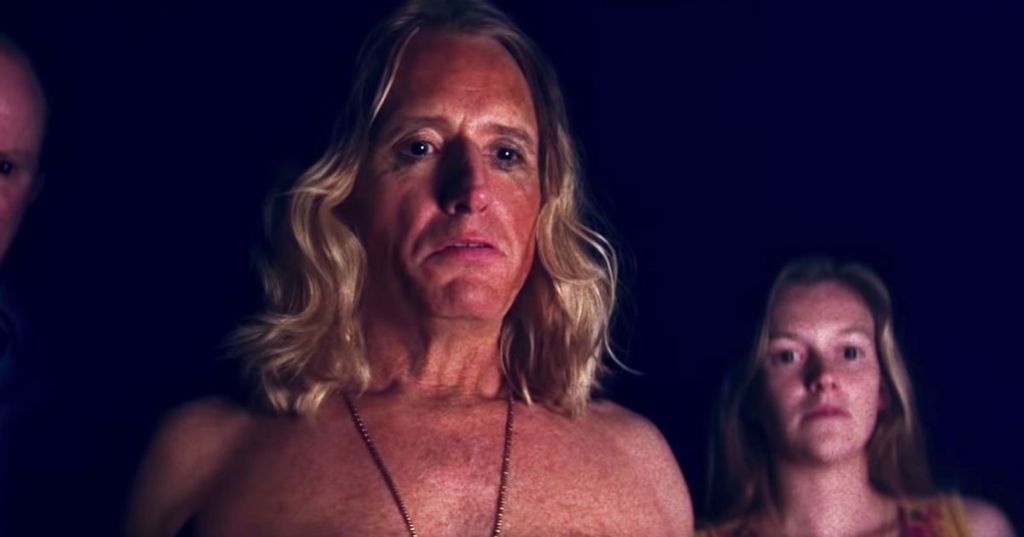
    The cult is the best part, narratively — actual hippies turned true believers. There’s something deeply uncomfortable about people that certain.

    Then the second half loses its way. It becomes a different film — louder, simpler. I wanted more blood. Not less. It feels like it stalls at the finish line. There’s nothing here I haven’t seen many times before.

    But I did love one moment at the end. Red sits behind the wheel after it’s all over, covered in blood, and imagines Mandy sitting beside him, smiling. He looks at her like she’s still there, proud of him somehow. It’s the first time the movie feels quiet again. It’s killing in the name of love, but he’s still trying to make sure she would have approved.

    The biker gang doesn’t work. They seem like demons or aliens, and that gives the cult credibility. I would have much preferred them to seem certain but fully absolute deranged. To make them seem right kills the tension.

    I’ve been catching up on Nicolas Cage movies — Mandy, Pig, Longlegs, The Unbearable Weight of Massive Talent, Renfield, Arcadian — and I’m still not sure what to think of his modern era. He might be the most overrated actor today in small-budget film. Every project has a strong idea and a weak script. He finds interesting material, but the movies never quite work all the way through.

    At this point, putting Cage in a movie feels like a shortcut to getting it made. Directors write for him, say to themselves, “Maybe if we write a part for him, he’ll actually do it.” He says yes, and that’s enough — green light. When the movies work, they are applauded, but the results are always secretly uneven.

    He could be doing more to shape better projects for the directors who want to work with him. He doesn’t, and that feels like wasted potential — his and theirs.

    6.5 / 10

  • Day 12: Cube (1997)

    Goal: Find a movie I never heard of until it started showing up on streaming trends.

    What I know about it:

    To me, this movie is an oddity. It’s like one of those titles that shows up on How Did This Get Made? alongside Death Spa or Chopping Mall—except this one actually has an overall good reputation. If it’s decent, why have I never heard a single respected critic mention it? Meanwhile, eXistenZ and Event Horizon weren’t exactly hits, yet people bring them up constantly on YouTube.

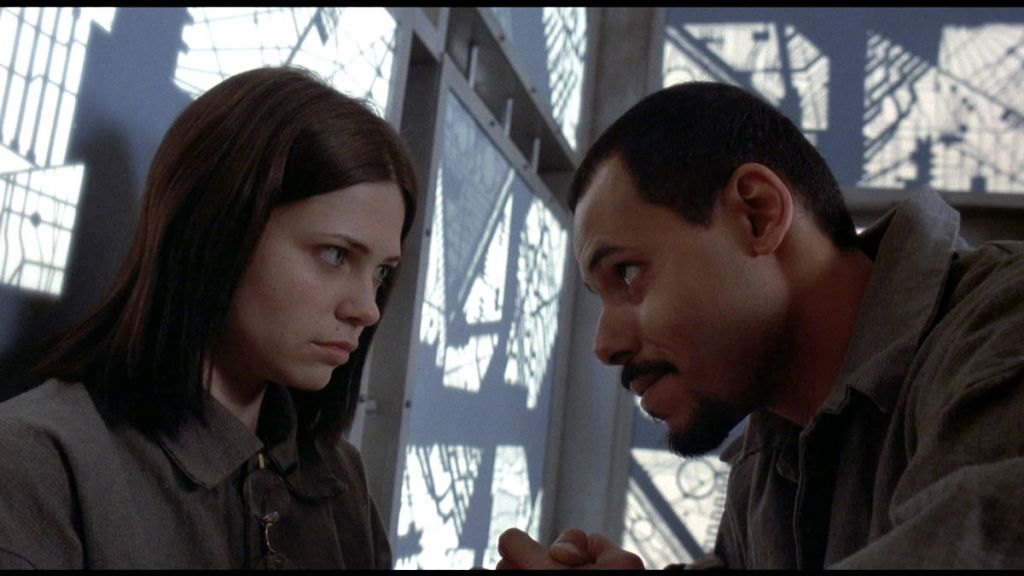
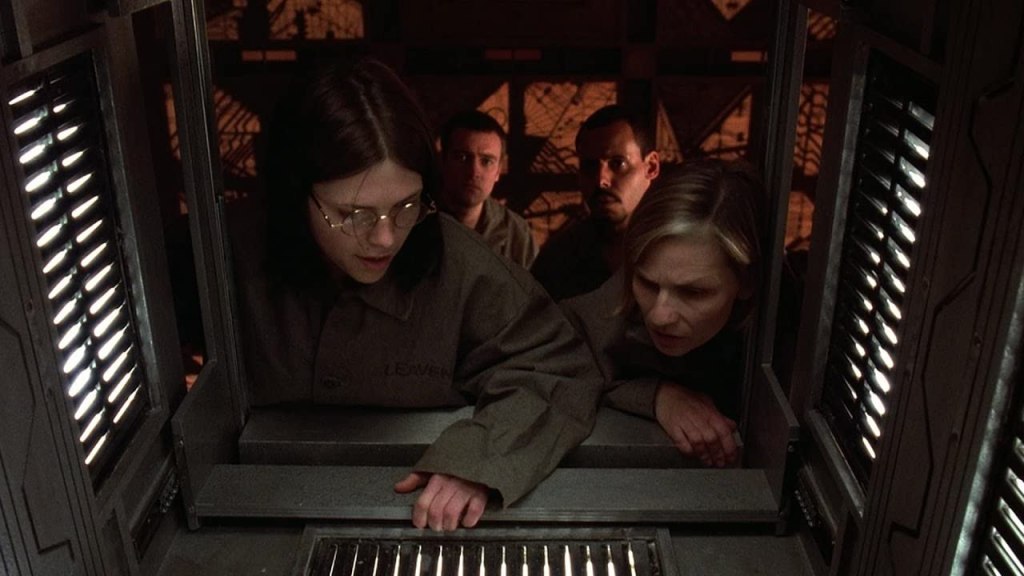
    The plot sounds intriguing enough: a group trapped in a mechanical maze that might be some layer of Hell. They move up, down, sideways—each new room maybe leading to freedom. I pictured Hellraiser by way of Saw, two movies franchises with famously devoted fans. So why doesn’t Cube ever come up in the same breath?

    I couldn’t find a proper trailer. I showed a clip to Josh on YouTube, and he wasn’t impressed. Maybe that’s a good sign. The movie doesn’t seem to sell itself, so maybe that is why no one has heard of it. He tends to like things that announce themselves loudly (Heretic, for example). Cube doesn’t seem to do that. Maybe the people who love it found it quietly—and showed it to their friends.

    I first heard of Cube in 2006, when it was the No. 1 most-borrowed DVD from Netflix in Carmel, Indiana. One month, it sat at the top of the local trends list like a mystery no one could explain. I’ve seen it pop up on other streaming charts since—but I’ve never once heard anyone talk about it. Ever.

    After the movie:

    This was basically Canadian Escape Room: The Movie. Which is kind of impressive, considering it came out in 1997—long before “escape rooms” were a thing. I first heard of a real-life escape room in 2014, when they started popping up all over the West Coast. In Indianapolis, a place opened called The Escape Room. A year later, another one opened called Escape the Room. They weren’t connected, but I beat both. I was good, kinda—successfully completed both, where the success rate for each one was about 40%. Usually, I wasted time on red herrings, but I’d crack the last puzzle with seconds left.

    Cube didn’t invent the escape-room concept, but it definitely saw the appeal coming. Its roots are in point-and-click adventure games and Dungeons & Dragons modules. Sierra made some of the first “escape room”–style text adventures like Mystery House, where you typed in commands to make your way through puzzles. The version of this idea I played was Maniac Mansion — a Lucasfilm Games classic that added comic relief and actual personality. Every room in point-and-click adventure games is an escape room, and only the elite few wanted to think enough to make their way through those. The Secret of Monkey Island and Sam & Max Hit the Road are still two of the best games ever made.

    And before all that, there was Dungeons & Dragons. The legendary module Tomb of Horrors (Gary Gygax, 1975) was built entirely around the idea of a cruel puzzle dungeon. Players swapped horror stories about total party kills. The struggle was real.

    When I was a kid, that whole genre fascinated me. My favorite was Jim Henson’s Labyrinth, but I also loved Scooby-Doo Meets the Boo Brothers (1987)—a movie where Shaggy inherits a haunted mansion and has to solve puzzles to find a hidden fortune. Looking back, that was basically The Da Vinci Code for children.

    The problem is, puzzle-solving doesn’t translate well to film. Watching someone instantly solve something you never understood isn’t satisfying. It works in a game, or maybe a serialized show—like Batman cliffhangers: How will they get out of the conveyor belt trap this time? Stay tuned next week. Same Bat-time, same Bat-channel.

    But Cube doesn’t build a world to make those puzzles matter. There’s almost no setup or lore—just math equations and quick deductions. The puzzles function as MacGuffins, filler between moments of panic. You can’t play along. You just wait to see who dies next.

    Still, it’s fun. The writing’s solid, and most of the acting works. The “villain” type might be the worst performer here—but that’s part of the fun. (Play “Spot the Worst Actor” at home and see if you agree.)

    The direction feels dated, full of leftover ’90s TV transitions. Even when there is gore, the whole thing looks like an episode of Goosebumps or early Buffy the Vampire Slayer—but cheaper.

    The ending, though, is a letdown. It just… stops. No emotional payoff, no moral, no world-building to make sense of anything. It’s one of those “Wouldn’t it be messed up if…?” movies that mistakes mystery for meaning. I think the implication is aliens—but it could be anything, and the movie doesn’t seem sure either.

    I liked Cube. I could almost recommend it. It deserves credit for being nothing like anything else from its decade, but it’s the kind of film that practically begs for a remake.

    5.5 / 10

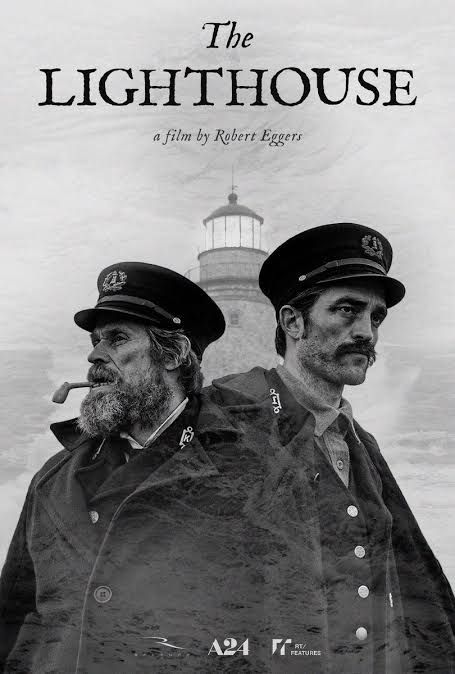
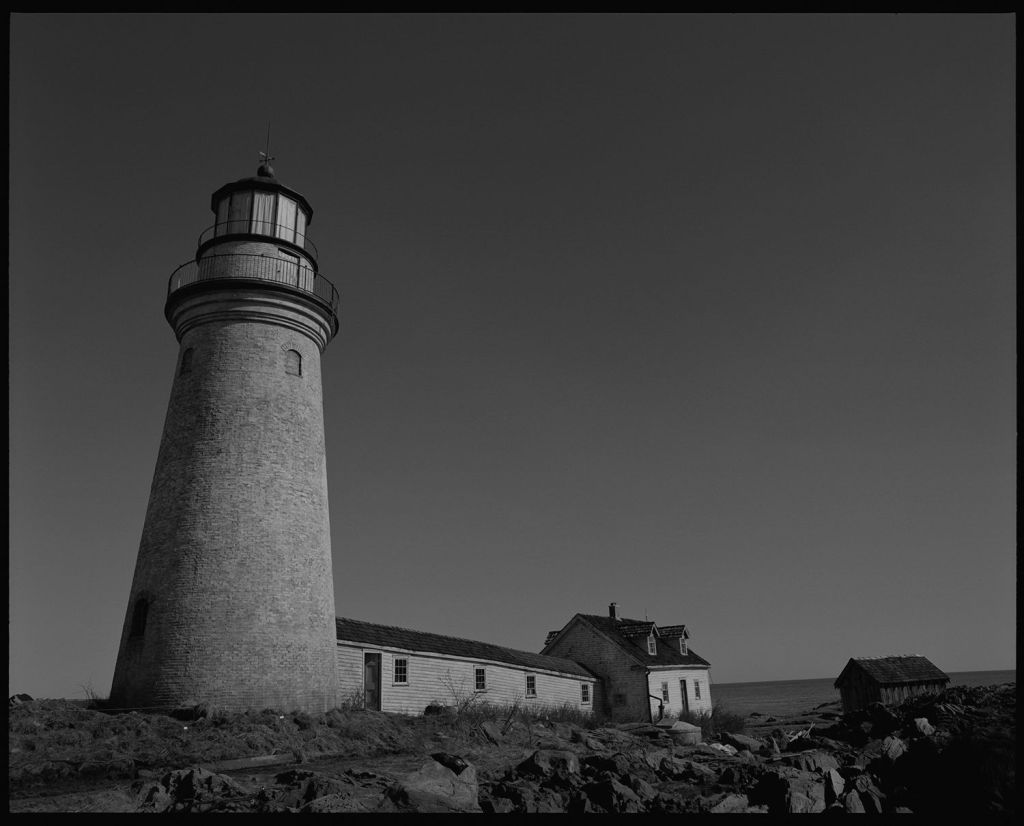
  • Day 11: The Lighthouse (2019)


    Goal: Find a horror movie that is supposed to be great, but you’re afraid you won’t like.


    What I knew before watching

    I recently saw the trailer. It seemed stylish in a way that could either work brilliantly or seem like it’s trying too hard. It was slow, avant-garde, and didn’t seem to care much about showing what the plot was—if there even was one.

    Willem Dafoe, an actor I’ve never much liked, has somehow become the most respected name in arthouse movies, and I’ve yet to figure out why. I haven’t seen his two most acclaimed performances—this and The Florida Project. Robert Eggers is a director I respect for his ambition and his taste in material. I’ve liked all of his movies, but I’ve never loved one. The Witch was my favorite, but it still felt like half a movie.

    There’s an American Dad episode from 2022 called “Gold Top Nuts” where Stan and the family take a budget vacation that ends in a plane crash on a mysterious island. They lose all memory of who they are, become desocialized, and start wandering around naked. Inside a lighthouse, they find a VHS tape containing a single commercial—for a product called Gold Top Nuts—which they watch repeatedly until it becomes their religion. The tape finally dies when Stan places a magnetic rock on the VCR, and the family takes this as a divine sign to leave the island.

    It’s a weird, singular episode, and I’ve always wondered what inspired it. Maybe it was The Lighthouse? Willem Dafoe and Robert Pattinson maybe don’t frolic naked around an island, but they do live in a lighthouse and gradually lose their minds. Perhaps that’s the connection. Then again, The Lighthouse takes place in the 1890s—before radio, let alone VHS—so maybe not.

    Still, I hope there’s something truly hidden or transcendent about this movie, because on paper, it sounds like a boring idea.


    After the movie:

    What a thematically rich and hard-to-pin-down experience. What was this? A folk-horror fable? A psychological thriller in the vein of Polanski’s Repulsion? A filmed stage play with powerhouse performances? Or the dark ride preview for a new Disneyland attraction?

    It’s a bit of each. (Hopefully.)


    The “lighthouse causing madness” trope is new to me, and no—the American Dad episode doesn’t really relate, though trivia pages do list it as “inspired by The Lighthouse.” Maybe that’s just someone guessing, but I get why they’d think so.

    This feels like a complete movie. The Witch always felt like it needed a third act; The Lighthouse delivers exactly what it promises—two men losing their grip on sanity in isolation. That’s a tougher sell to audiences, and it earned only about 40% of The Witch’s box office, but it’s the superior film: tighter, clearer in purpose, and not easy to dismiss as “great until the last twenty minutes.”

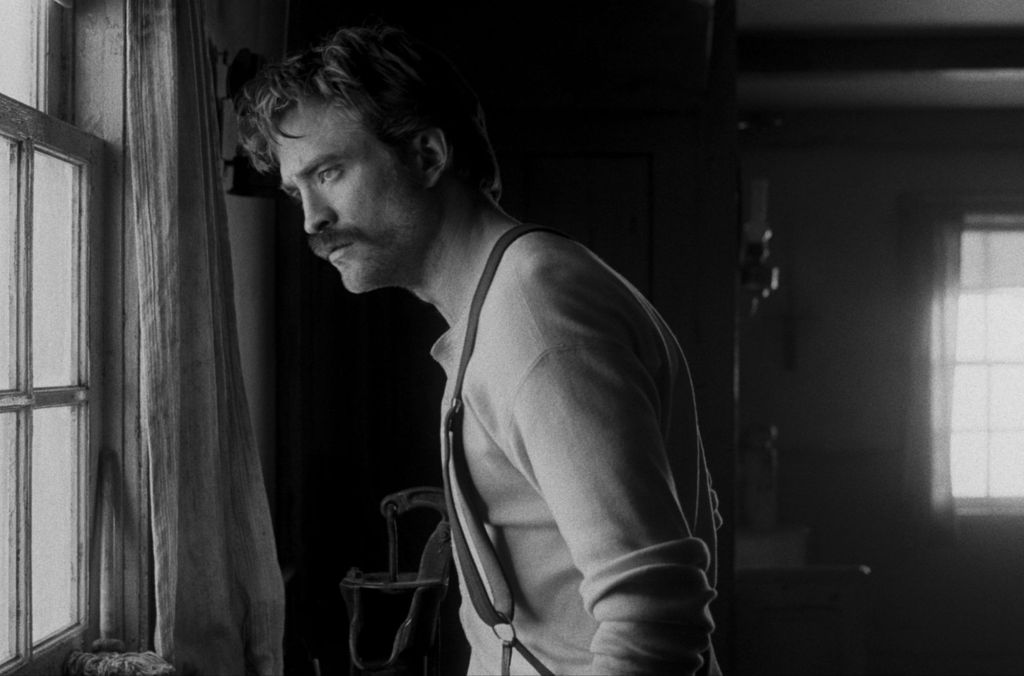
    It’s ultimately a simple story about what happens when you live with someone you wouldn’t otherwise tolerate. I compare it to Repulsion because disgust drives much of Thomas Howard’s (Robert Pattinson) mental decay. In Repulsion, Carol Ledoux is repulsed by her sister’s lover—particularly when his toothbrush contaminates her mouthwash cup. In The Lighthouse, Thom is revolted by the flatulence of the man sleeping five feet away. Even the creaking boards of the storm-battered shack seem to echo Willem Dafoe’s farts. Every shift of the wind becomes an olfactory trigger.


    Willem Dafoe gives one of the greatest horror performances I’ve seen. He convinces you that this is exactly how a lighthouse keeper would have sounded in 1890—even though no one could possibly know. Or maybe someone could.

    The reason it feels authentic is that Robert Eggers built the dialogue from the writings of Sarah Orne Jewett (1849–1909), who transcribed the dialects of Maine’s fishermen and lighthouse keepers, and paired them with the salt-soaked cadences of Herman Melville. The result sounds like Dafoe studied recordings made decades before recording existed. Eggers is now the master of this trick—painstakingly reconstructing lost voices for The Witch and The Northman (even if his Vikings conveniently speak English).

    The Lighthouse flirts with realism but lands squarely in folk horror: a world where curses, seabirds, and Cthulhu-like tentacles coexist with human guilt. Thom isn’t a sailor, yet his hallucinations teem with sea monsters and mythic fears that belong to men who’ve spent lifetimes at sea. The horror isn’t that he’s imagining them—it’s that they might be real. In Eggers’s world, if you live with secrets and act carelessly, the sea itself will swallow you whole.

    Dafoe’s accent might be the film’s most hypnotic element, but Jarin Blaschke’s cinematography deserves equal praise. Every frame looks hand-composed and electrified, dense with atmosphere—like candlelight on wet glass. Blaschke was nominated for an Oscar (he lost to 1917), and while I love that movie, The Lighthouse is the one that should hang in museums. He’s since been nominated again for Nosferatu; it feels inevitable he’ll win eventually.


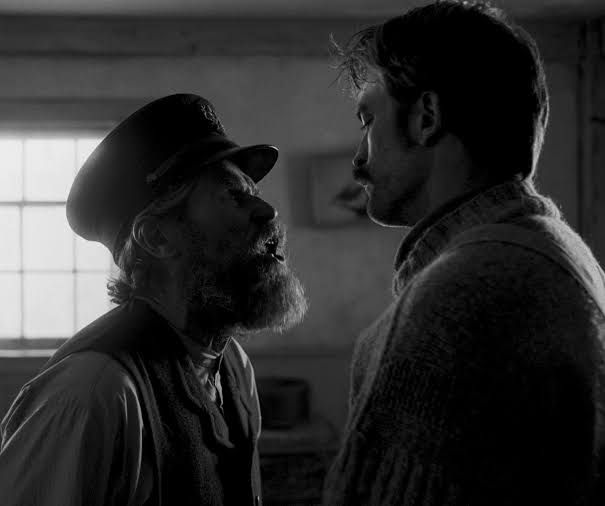
    The film’s most unnerving scene isn’t monstrous but human: two lonely, drunk men on the verge of a kiss. They utterly hate each other, yet they suddenly are about to make out? Uh, no. Abort!  They waltz together because there’s nothing else to do, sure, but why would they ever go beyond that? It’s both comic and terrifying—proof that intimacy, when born of isolation, feels grotesque.

    This is an actor’s movie through and through. Dafoe and Pattinson hit their monologues btilliantly—each word chewed, every beat deliberate. When Dafoe’s Thomas Wake finally tells Pattinson’s Thom, “You have a way with words,” it’s the movie’s thesis. The two Thoms want bury each other, and for no reason at all, they seem to want to be buried.

    You know where this is going.

    8.5 / 10

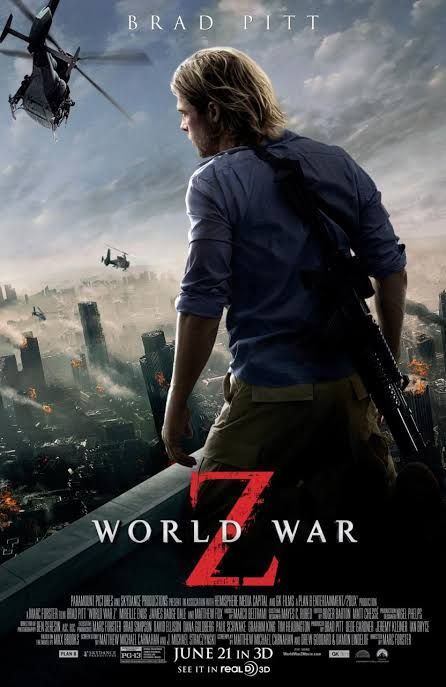
  • Day 10: World War Z (2013)

    Goal: Find a horror movie EVERYONE has seen (except me).

    What I know about it:

    I read about 100 pages of the novel about 15 years ago. It was exciting, but I stopped because it seemed to be going nowhere. It was the same thing over and over: ten pages of the first chapter of a story, then a suggestion that the narrator would probably die, followed by a new character for fifteen pages. On repeat. It felt like a book with one gimmick.

    The movie looked like a generic zombie blockbuster with little reason to exist. Why did this one get such a huge budget and a $20 million lead? The trailer showed record numbers of very CGI-looking zombies onscreen at once.

    David Fincher was attached to direct World War Z 2 for a year or two, and I thought, “That’s never going to happen.” And it didn’t. The project quietly disappeared, and Fincher made Mank instead.

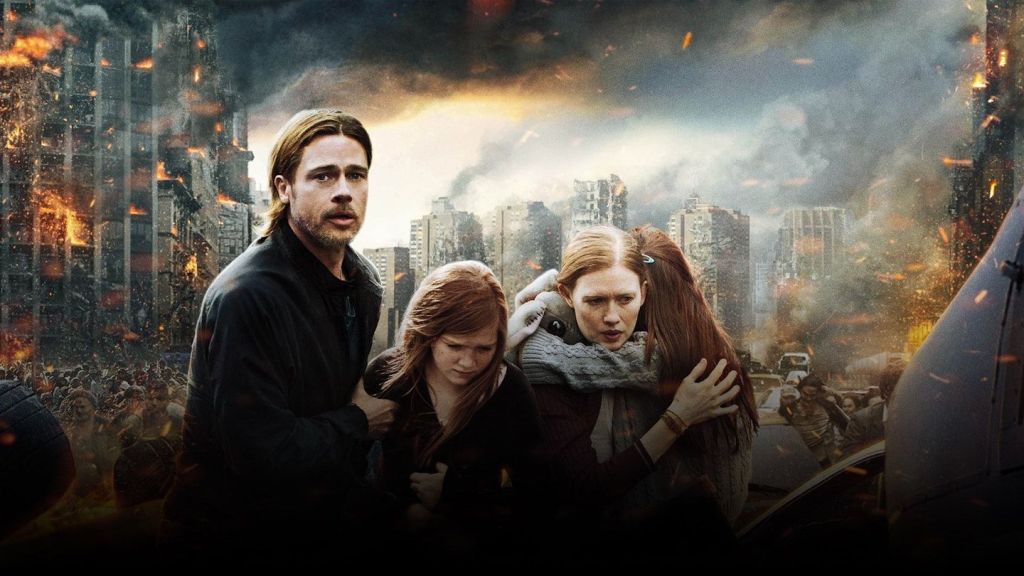
    I got the sense this had almost nothing to do with the novel. That was just a recognizable name to slap on the poster. Calling this World War Z reminded me of… I can’t even think of a comparison. It’s as much an adaptation of the book as Troll 2 is a sequel to Troll. It might take place in the same outbreak, but the story itself comes from nowhere. Brad Pitt’s character doesn’t exist in the novel. Hence, I was trepidatious.

    This whole project has the aroma of a careless cash grab and I really don’t know why Brad Pitt keeps justifying the existence of these. But who knows? I actually really like Marc Forster and I still hope he directs the Red Rising trilogy, which looks less and less likely to actually be made. Why can Brad Pitt not put his name on that one? That is a book with a story that could actually be made into a movie. World War Z is just a name everybody knows slapped on something that seems carelessly made out of fumes.

    After the movie:

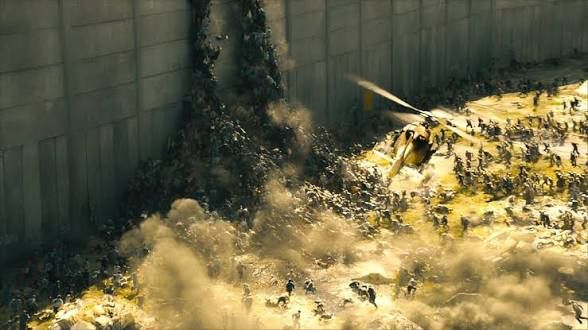
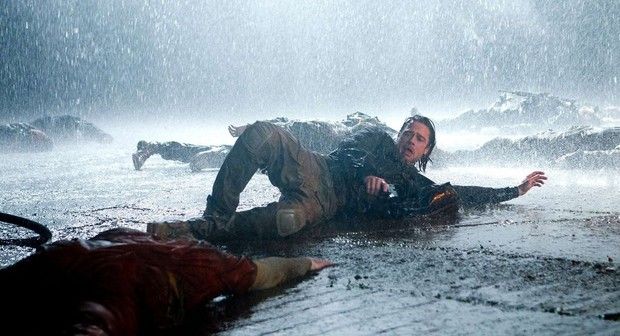
    I’m trying to think of a zombie movie I liked less than this. Actually, I’m trying to think of any movie I liked less than this. Because I hated this movie. Hate. I hated, hated, hated, hated this movie. I hated the characters, the sound design, the dialogue… I hated the very concept it stood for. Most of all, I hated the zombies. The script has five credited writers, and it feels like no one made a final decision about how the zombies worked.

    This was PG-13. Good PG-13 zombie movies exist, but they have to be tender and romantic (Warm Bodies) or satirical (Fido). World War Z wants to be a true, gory zombie spectacle, with bites and blood everywhere—but it’s so sanitized that the viewer has no idea what’s even happening. How does the virus transfer from a zombie’s mouth into a human’s bloodstream? No clue. There isn’t a single clear shot of a zombie actually biting someone.

    If you doubt that, it’s true. The most confounding scene takes place on an airplane. A flight attendant sees a chihuahua barking and runs around the cabin, then opens a closet mid-flight. Surprise! There’s been a zombie standing there for hours. He screams like a velociraptor.

    We cut to Brad Pitt in the back of the plane. He hears faint screaming, pulls aside a curtain, and sees chaos—people flailing, shrieking, like he’s opened a portal to Hell. The zombie’s scream basically says, “I’m a zombie! You’re all zombies now!”

    The plot depends on zombies spreading the infection through bites, but if you didn’t speak English, it would be impossible to figure that out visually.

    How does the virus spread? Saliva entering the bloodstream, I think. A rabies-like infection that transforms a person in twelve seconds, instantly discoloring their skin like they’ve been dead for weeks. Or maybe it takes ten minutes—that’s what one scene suggests. But usually it’s twelve seconds. I say that because it feels like it was written by five people who stopped talking to each other months ago.

    Is this how the zombies worked in the novel? Absolutely not. Max Brooks designed his zombies to follow George Romero’s rules: the dead reanimate, and you have to die to become one. The zombies in the movie World War Z are still alive, which explains how hordes can sprint and swarm.

    Brooks’s World War Z was a collection of wartime documents and letters from the early days of the outbreak. There’s no central narrative or protagonist to adapt. So why didn’t the studio ask Brooks to write a story with one? One character to follow through his version of the apocalypse?

    Brad Pitt is the worst I’ve ever seen him here. He’s blank, mumbles through lines, and has zero presence. Never once did I think, “Okay, I get it. This is a role a great actor would want.” Pitt’s clearly transitioned into more of a producer’s role. He reportedly made about $11 million upfront but stood to make far more if it hit big—and it did. His biggest hit ever. Which makes it even harder to understand. If he was producing, why didn’t he say, “Okay, but let’s fix the script”? Did he even read it?

    Pitt isn’t a natural actor—he’s too movie-star beautiful to disappear into a role. Then again, Moneyball (2011) proved he could pull off a quieter, cerebral performance. Maybe that’s what he thought this was. Either that, or he knew the global audience just wanted money onscreen—and his face counts as part of the budget.

    I hate to spoil a movie I hated, but it’s impossible not to. After noticing earlier that the zombies avoid people who look terminally ill (the old man, the emaciated boy), Brad Pitt decides to test a theory: if he infects himself with a deadly but treatable disease, the zombies will “see” him as a bad host and ignore him. He injects himself in the WHO lab, walks out past the frozen-in-place infected, and it works. Then he strolls to a Pepsi machine, hits a button, and dozens of bottles start spilling onto the floor. The zombies look over, confused. Why is this in the movie? Because Pepsi paid for it, that’s why. It plays like a Mentos-style Super Bowl commercial stapled onto the finale. “My plan worked, guys. Let’s go home.”

    Another low point: the closing montage shows a mound of zombie corpses dozens high, in the middle of a desert. It’s meant to represent the global aftermath, but…what? Why would a pile like that exist in open sand? What were the zombies doing? Where were they going? My theory: it was shot for the trailer. Someone pitched the image, and the producers demanded it be included.

    World War Z is the Roland Emmerich’s The Day After Tomorrow of zombie movies, but that alone doesn’t explain why I hated it so deeply. This is the definition of a soulless cash-in—an underdog success story drained of all meaning by Hollywood’s need to turn everything into a brand. It looks expensive, but I didn’t like a single thing about it.

    1/10

  • Day 9: Eyes Without a Face (1960)

    Goal: Find the best reviewed horror movie I haven’t seen.

    What I know about it:

    I’m staying in a room with thin walls. While talking to my mom on the phone, I mentioned maybe watching a French film called Eyes Without a Face for her birthday. She seemed on the fence. After I hung up, my neighbor started playing an unfamiliar mid-tempo ’80s rock ballad. When the chorus hit, the singer kept repeating, “Eyes without a face.” He played it on repeat. A quick lyric search told me it was Billy Idol. I looked the song up on Album of the Year—it has a user score of 96 out of 100. Always a great day when I discover a truly great song I didn’t know. (Also, my neighbor listens to my conversations. Good to know.)

    Apparently the song was inspired by this movie. If that’s true, it absolutely can’t be a slasher or gore fest. Idol’s song sounds more like something by The Church or Echo and the Bunnymen. It would fit perfectly on the Donnie Darko soundtrack—melancholy, haunted, and romantic.

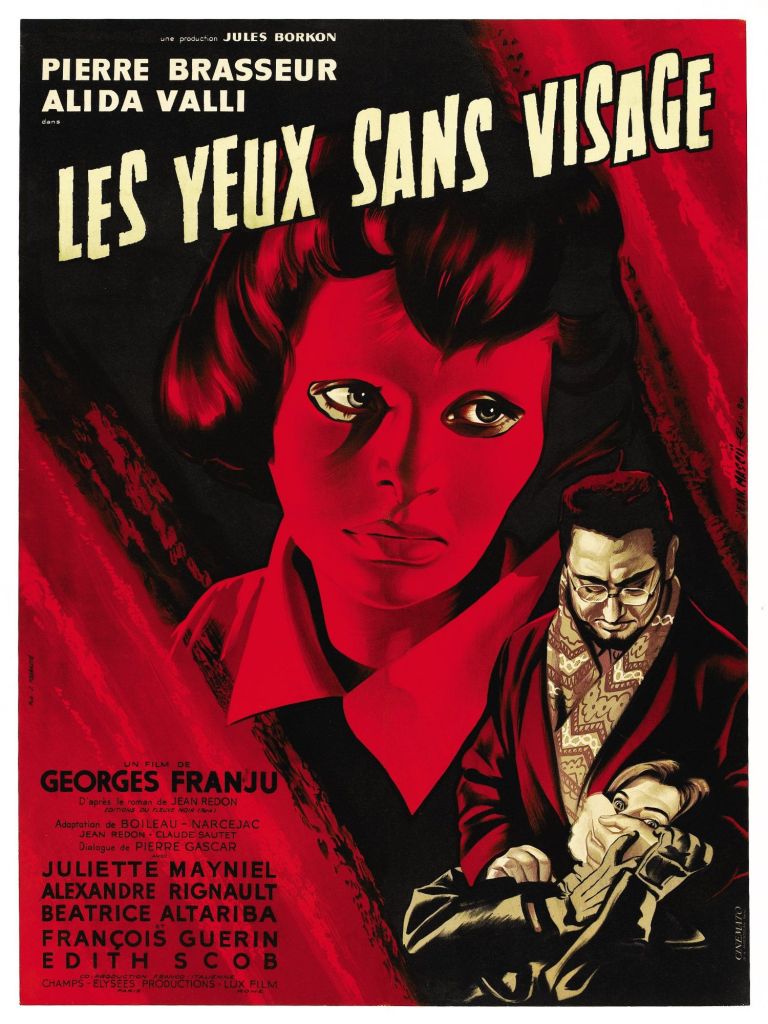
    That’s all I knew: a 90 on Metacritic, a French title, and a premise about a surgeon who kidnaps young women to repair his daughter’s disfigured face. I assumed the daughter’s eyes would still be intact—the eyes as self, or soul.

    After the movie,:

    This movie did for the scapula what Psycho did for the shower. What a horrifying film for 1960. It’s like David Cronenberg saw James Whale’s Frankenstein and thought, “Pretty good, but what if Dr. Frankenstein were a complete a-hole?”

    I can’t find many classic movies about a daughter realizing her parents are terrible people. The only two released before Eyes Without a Face seem to be The Daughter of Dr. Jekyll (1957) and Imitation of Life (1959). The Night of the Hunter (1955) fits somewhere between them, though that one’s about a clear villain who wants to kill the daughter.

    Why are there no parents as villains before the late 1950s? Old Hollywood probably believed in the nuclear family. And of course, there was the Hays Code—a production code that enforced certain moral standards, including:

    > “The sanctity of the home shall be upheld.”
    “Parents must not be portrayed in a way that would offend natural filial respect.”

    So you couldn’t make a movie like this. But it’s not like anyone was eager to try anyway. Villains acted alone. Showing the villain’s family might have made evil seem ordinary.

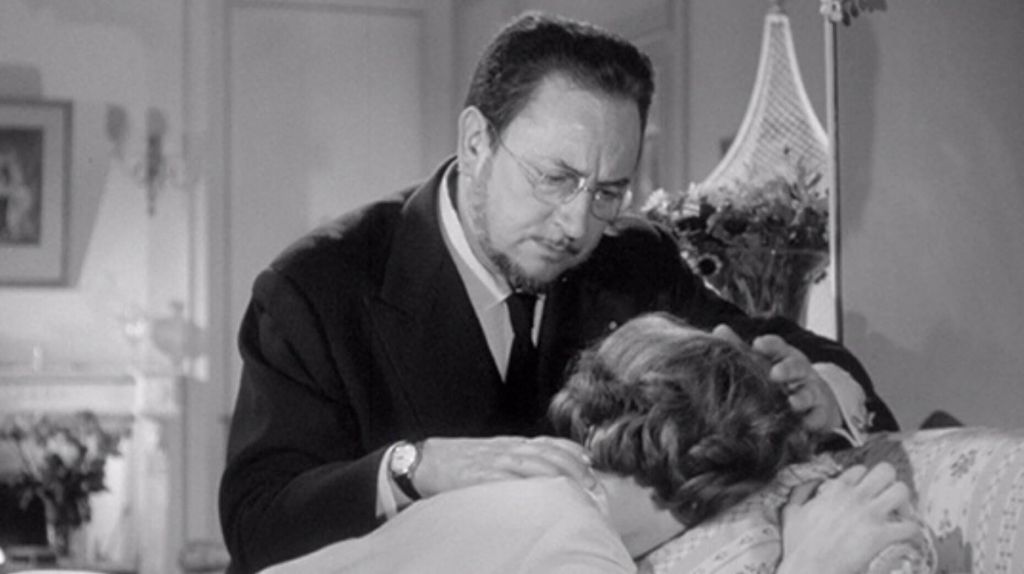
    The most brilliant thing about Eyes Without a Face is that the serial killer is a respected doctor—so esteemed he regularly gives lectures and has fans. In one scene, two middle-aged women approach Le docteur Génessier after a university lecture on skin transplantation. They shower him with effusive praise:

    > “You must feel so proud, Doctor.”
    “Such marvelous work you’re doing… your poor daughter, what a tragedy.”

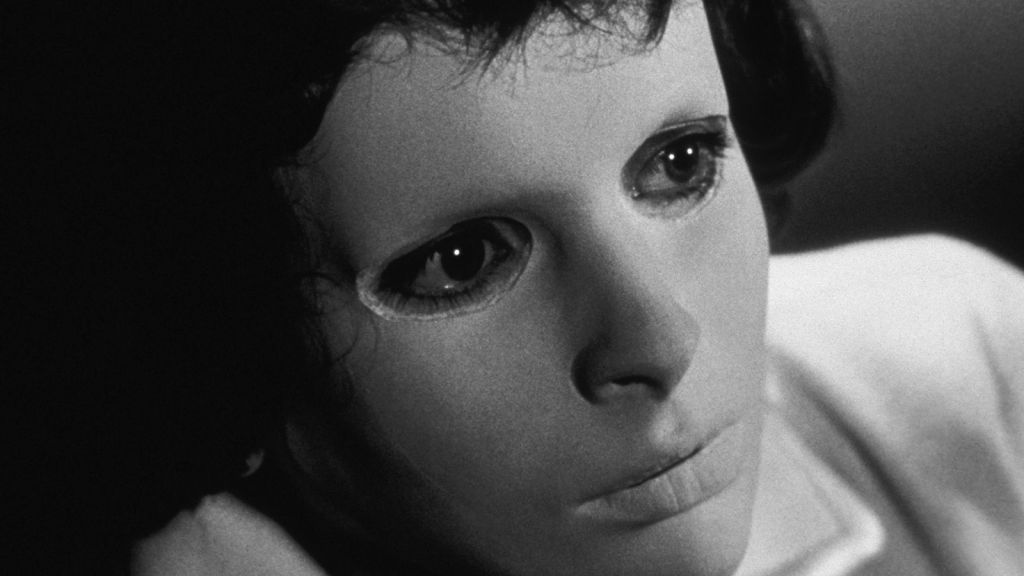
    I was half right about how the movie’s title would come into play. The scariest moment isn’t something we see but something we hear: a young woman found in the harbor, her face completely torn off, leaving only the eyes. We’re to assume the entire face—muscle tissue and all—has been removed. The studio allowed this because it could technically make sense that only her skin was gone, but that wasn’t the image I saw in my head. I thought, This is some messed-up serial-killer movie. It’s like the video game Heavy Rain, but if it were filmed in 1959.

    The once-beautiful Christiane is the prototypical helicopter child. Her father, Génessier, makes all her decisions for her—including who she might marry (his assistant Jacques, who isn’t allowed to see her disfigured face). This type of father—authoritarian and controlling—was familiar to European audiences. The French would have called him père autoritaire. But to Americans used to seeing the wholesome head-of-household types from “Leave It to Beaver” or “Father Knows Best”, the idea that a father could be controlling in a bad way would have seemed radical.

    The movie I think of most when it comes to the meaning of Eyes Without a Face is Zach Braff’s Garden State. That film resonated with people who felt trapped in lives their parents designed for them—medicated, compliant, and numb. The tragedy of Christiane isn’t that her face is disfigured or that her life was ruined. The real melancholy comes with realizing you never got to live your life at all.

    9.5 / 10

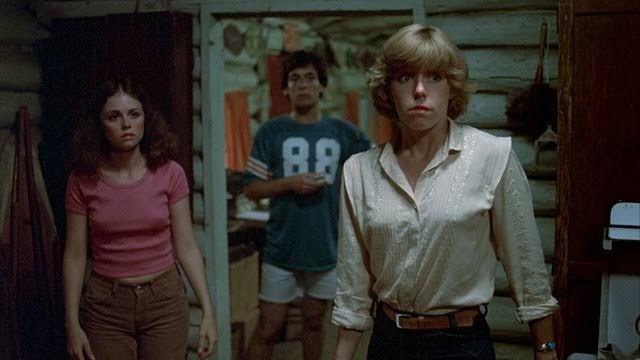
  • Day 8: Friday the 13th (1980)

    Goal: Find a horror classic I have no interest in, just to cross it off my list.

    What I know about it:
    I’ve seen bits and pieces of several Friday the 13th sequels. Every October, there’s usually a marathon, and I’ll turn it on for as long as I can stand. This isn’t much. I’ve definitely seen parts of 2, 3, 5, 7, and 8, and probably 4 and 6, though I couldn’t tell you which is which.

    My favorite was Part II—the one where Jason still had a sack over his head because the hockey mask hadn’t been invented yet. I caught the last forty minutes of it once, and it was shocky but exciting, almost like John Carpenter’s Halloween. I thought maybe I was missing something by not watching these all the way through. Then Part III came on and I laughed at how bored I was. Dull. In 3D.

    Still, there’s a weird pleasure in trying to tell the sequels apart. Turn on the Friday the 13th channel on Pluto TV and make everyone guess which entry it is. Sure, they’re all bad, but what kind of bad? Cheesy bad? Slow bad? Dialogue-from-another-planet bad? You’ll never remember the characters or even the kills, but the flavor of badness is always distinct.

    Despite all that, I’d never actually seen the original Friday the 13th. Cable marathons always started with Part II. I figured maybe the first one was too rough or too different. I’d heard The New Blood was the most entertaining, but ten minutes in, I realized there were better ways to spend an evening.

    So: my first Friday the 13th, start to finish.

    After the movie

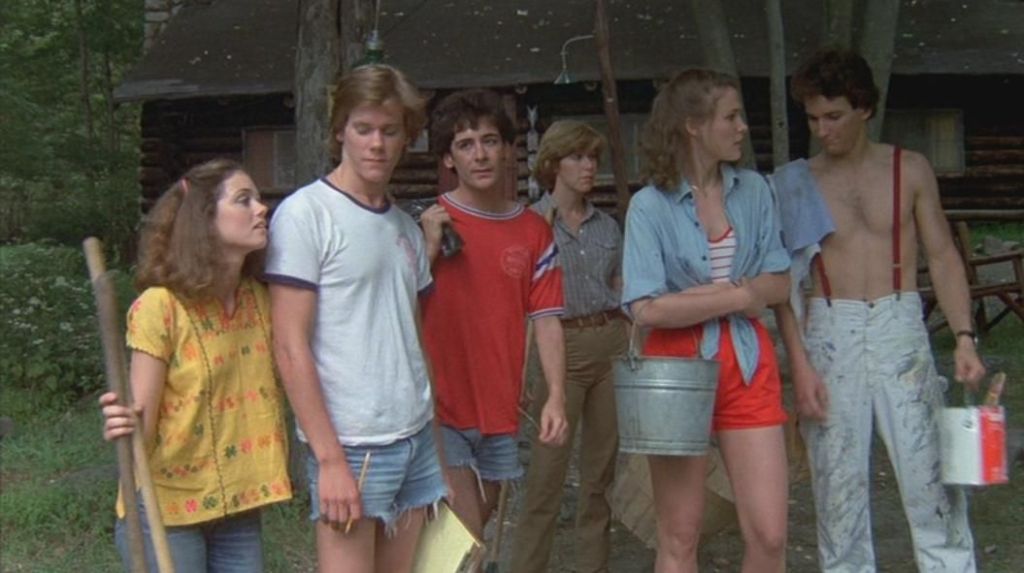
    That was… disappointing. Not because I hated it, but because I liked it at first. The first 45 minutes are immensely watchable: great introductions, fun little scenes, an effective sense of menace. At their best, Friday the 13th movies aren’t about bad dialogue—they’re about realistic bad dialogue. These kids actually sound like kids.

    Case in point: the Strip Monopoly scene. Everyone played Monopoly in 1980. Everyone had heard of stripping games. Combine the two and you get, well, this.

    > Brenda: “OK, you’re the banker. Remember what the penalty is for losing.”
    Bill: “What’s the penalty?”
    Brenda: “You lose a piece of clothing every time you lose money.”

    Girl, are you sure that makes sense? You lose money every turn in Monopoly. Are you wearing a hundred articles of clothing? Do you even own pants?

    No one ever seems to put their clothes back on, and, in true Monopoly fashion, they quit before the game even begins. One girl runs back to her cabin barefoot. They’ll finish in the morning, I guess. (Where are the camp’s kids?)

    The first half hour works because it forgets to be scary. It’s just a slice-of-life portrait of bored teenagers in 1980—hiking, joking, killing time. Honestly, if the whole movie had been that, I might’ve loved it on principle. It feels more like an art-house hangout movie than a slasher.

    Then the ideas dry up. The film turns into a faceless murder mystery where you never see the killer, just the aftermath. The deaths get bigger, the suspense smaller. The movie stops being about anything.

    The sequels fixed what didn’t work—mask, mythology, pacing—but broke what little it tried to do right. In time, Friday the 13th became the franchise that perfected its own mediocrity. Critics hated the original for being a ripoff of Halloween; Gene Siskel even spoiled it by naming the killer in his review out of spite. It has a 22 on Metacritic. But time has been kind: now it sits comfortably above 60% on Rotten Tomatoes, the horror fan’s version of “we were wrong.”

    I think people admire it now the way musicians admire the rough early versions of their genre. Fred Durst once said he liked the Beastie Boys because “it’s nice to see an early example of our style of music done right.” Friday the 13th is like that—an imperfect template everyone else copied to death. It didn’t invent the superstition, the killer, or the kids, but it invented the business model.

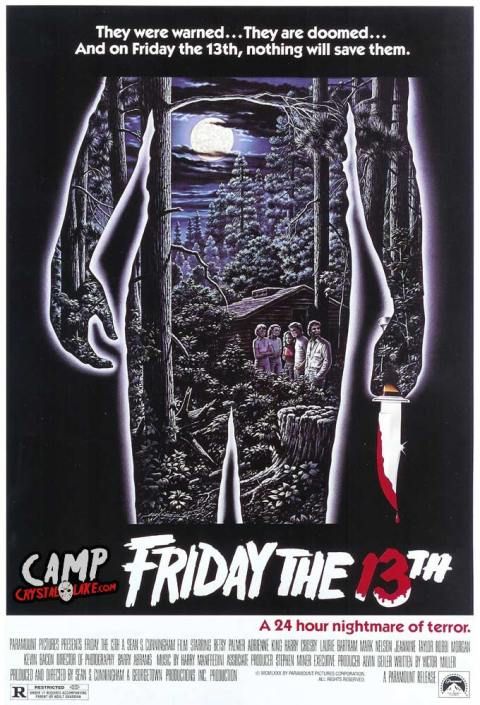
    In 1979, producer Sean S. Cunningham took out a full-page Variety ad for a movie that didn’t exist.

    > “FROM THE PRODUCERS OF LAST HOUSE ON THE LEFT — FRIDAY THE 13TH — the most terrifying film ever made.”

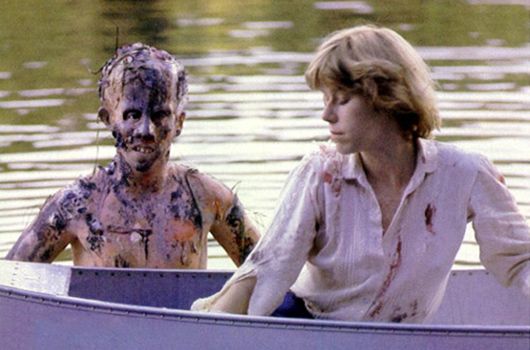
    No script, no plot, just a title. He saw that Halloween proved a scary date could sell, so he picked the unluckiest one on the calendar. The ad worked, and within months he had to start filming. Victor Miller wrote a quick script about camp counselors, a drowned boy, and his vengeful mother.

    It’s not a great movie. But it is a great idea for one, or at least a great title they were determined to turn into *something* everyone would want to see eventually. It is the series that perpetually almost had an idea that really, really worked.

    *Oh well. We’ll market it anyway. *

    Maybe the purest example of a movie that exists because it sounded like one.

    5/10
  • Day 7: Heretic (2024)

    Goal: Find the most notable current sleeper horror hit.

    What I know about it:

    Next to nothing. It’s got a 90% on Rotten Tomatoes and a 71 on Metacritic. For this week’s theme, I wanted a movie that feels big but that I somehow know literally nothing about.

    It has Hugh Grant and it seems to be about Mormons. He’s some kind of weird loner with a torture house. It seems like the movie everyone will still be talking about in five years. Just a hunch. Let’s see if I’m right.

    After the movie:

    Do you remember when Bend It Like Beckham came out, and at first you wondered how they got Kate Winslet to seem 18 years old? Then you realized it wasn’t Kate Winslet but her strange, skinny doppelgänger named Keira Knightley? She ended up going pretty far, mostly because a lot of screenwriters had been writing parts for Kate Winslet five years earlier — and Winslet would’ve turned them down anyway. Keira Knightley turned out to be great. But she was no Kate Winslet.

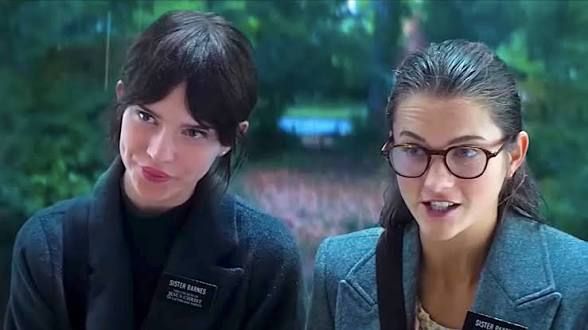
    Sophie Thatcher is the new Keira Knightley. She’s not getting cast in parts written for Kate Winslet — she looks and sounds exactly like Emma Stone. I’d wager Sophie Thatcher is actually a more natural actress. She’s great in Heretic, and even better in 2025’s sleeper hit Companion, which I actually recommend even more for this week’s theme: “the sleeper horror hit.”

    Sophie Thatcher feels so much like Emma Stone that there’s a bit of a “new Coke” imitation effect going on. In Companion, that worked perfectly because she was supposed to feel like an imitation of the real thing. But in Heretic, there’s a little whiplash when she starts talking. How did this extremely smart, modern girl get cast as a Mormon missionary?

    If this movie had been made twelve years ago, Emma Stone would’ve been perfect. She had that “smart but innocent” quality — the thing that peaked with Poor Things. Sophie feels like Emma’s 12-years-younger little sister who also decided to act. Seeing this modern, post-ironic type trying to convert unsuspecting Christians to this quirky, folksy little underdog religion… I just wanted to say, “Shouldn’t you be in Brooklyn? Go home.”

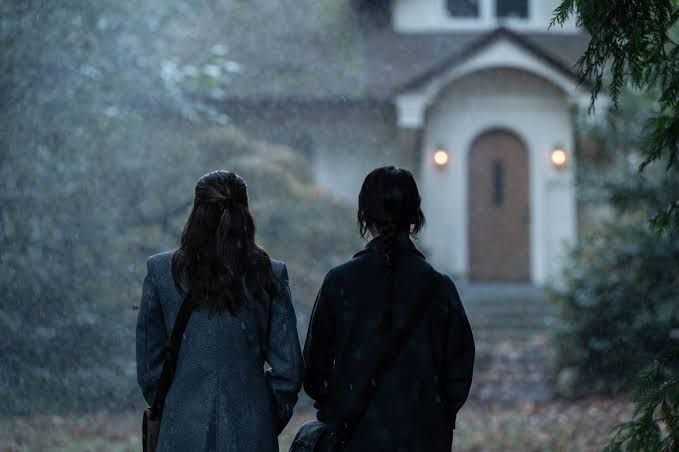
    I’m stalling. What was the movie and what did I think of it? It was small and imteresting. Honestly, it feels like it could’ve been a play — maybe one converted to film at the last second. This is a horror movie tailor-made to play at sorority movie nights at Brigham Young University. Modern girls who freely explore the world, who’ve seen South Park and homemade internet porn, yet firmly believe in their mission: to tell the world about their faith. They’re believable. Exactly as good as young people who’ve never had a reason to question what they believe.

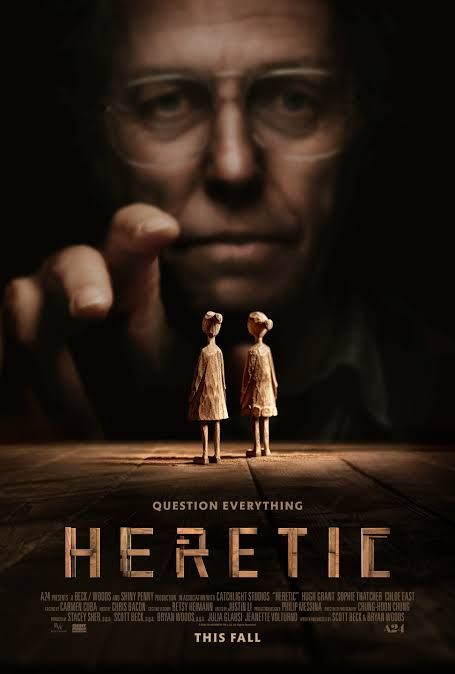
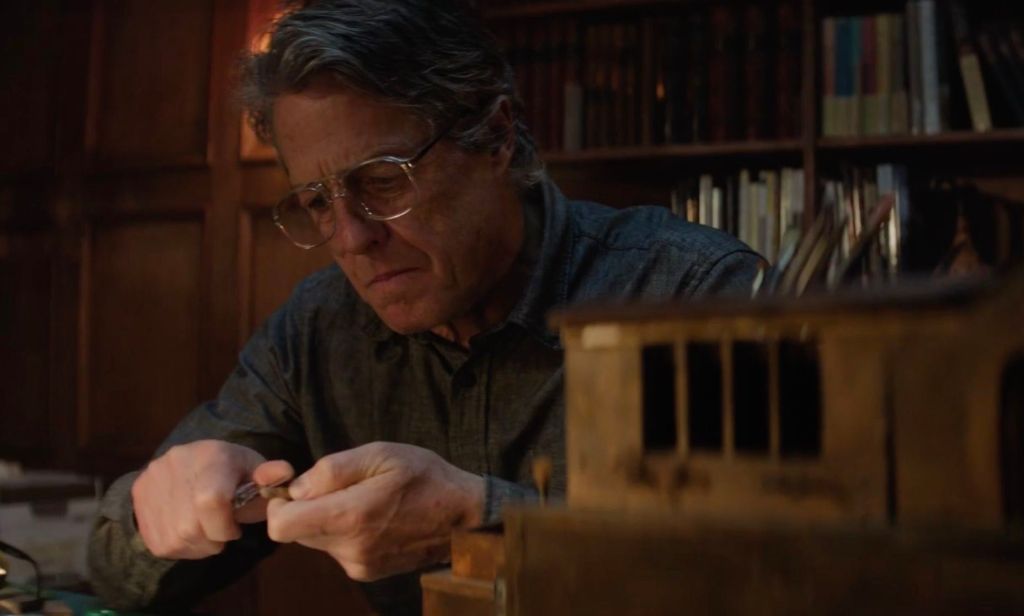
    On the other side of that coin is Hugh Grant as Mr. Reed, the titular “heretic” — every Mormon missionary’s worst nightmare. The poster has him smiling, staring at a game board with the two sisters as miniature chess pieces. Mr. Reed plays with them like a cat tossing a mouse, keeping himself amused before the kill. “You still believe that my wife is in the other room baking blueberry pie, despite all the evidence to the contrary.”

    Heretic has a handful of great ideas, and kind of a boatload of padding. Case in point: in addition to religion, Mr. Reed is obsessed with copyright disputes. He brings up two examples — Monopoly and “Creep” by Radiohead — as evidence that remakes and copies are more successful than originals.

    He’s got a point with Monopoly. I’m a board game hobbyist, and even I’d never heard of The Landlord’s Game, the 1904 prototype Monopoly ripped off almost entirely. Looking it up online made me respect it even more. One of its “Chance Cube” outcomes said, “5: Caught robbing a hen-roost: Go to jail. 10: Caught robbing the public. Take $200 from the board. The players will now call you Senator.” You can’t copyright board-game mechanics — or religious texts, for that matter. Mr. Reed makes that point too: religions are all just cover versions of each other.

    Where he loses me is with his deep affection for The Hollies’ “The Air That I Breathe.” Yes, the guitar progression is the same as “Creep,” and Thom Yorke’s phrasing is similar. But “The Air That I Breathe” has no hook. It’s a song no one under 70 cares about. The Hollies were basically the Thomas Edison of 1970s pop — taking half-forgotten ideas and dressing them up without subtlety. I’d have been way more impressed if Mr. Reed compared Joseph Smith to The Hollies directly, and left Radiohead out of it.

    Screenwriter, I see what you’re doing. But no one likes that song.

    But that last shot? Very good — it should be studied. It’s nice when little moments call back and actually have purpose. There’s a famous movie that ends with a man believing he survived a horror, cutting into a birthday cake… and we realize he’s still trapped, imagining a happy ending. Heretic’s ending is like that — but more artful. It’s not trying to scare you with a hand bursting from the ground next to a gravestone. It’s believable — truthful about what happens to the mind when coping with an actual human tragedy. A perfect little movie moment.

    Still, this is a decent movie. It feels like a filmed play — one that’s not really worth seeking out unless you’re curious. It doesn’t have much going for it other than novelty and a few twists, almost all in the first 40 minutes.

    If you see it, maybe you’ll agree.

    (That’s not a spoiler.)

    6.5/10
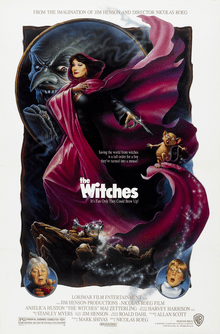
  • Day 6: The Witches (1990)

    Goal: Find a horror movie I wish I’d seen as a kid.

    What I know about it:

    Based on a Roald Dahl book — which I never read — though I did start the graphic novel adaptation by Pénélope Bagieu. I loved that version. It felt like the perfect bedtime story to read to all the imaginary historical figures in my head who wanted to learn about modern life. That’s probably the best way to describe both that time in my life and the tone of the story itself.

    From the marketing I remember, The Witches looked like one of those kids’ movies built around the trope of adults conspiring over a terrified child — laughing maniacally, looming above him, and plotting his doom. The trailer had shots that could’ve been outtakes from A Clockwork Orange, which was probably close enough to my recurring nightmares that I wasn’t exactly rushing to buy a ticket. For reasons unknown, my dad — who took me to almost everything — skipped this one.

    After the movie:

    “Your grandmother just has a slight case of diabetes, that’s all.”

    What an odd way to introduce kids to diabetes. The movie hints that sugar is essentially poison for Grandma, yet nothing comes of it — no payoff, no consequence. Was that just a random subplot or a witch’s failed hex? Either way, it’s bizarrely specific for something so pointless.

    The Witches starts strong but has aged unevenly. The early 1990s were the dark ages of “clever kids versus magical villains” movies. We took what we got — and we liked it.

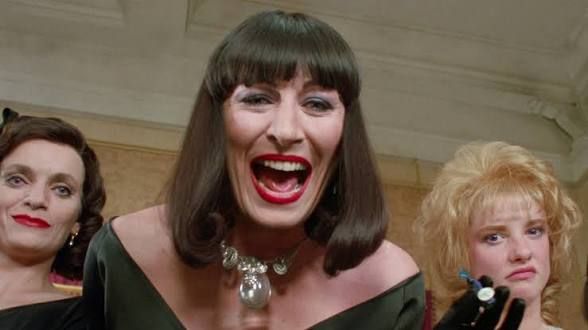
    Anjelica Huston gives one of her best-known performances as Miss Ernst, the Grand High Witch. If you don’t love watching her tear off that mask and putting it back on, adjusting her nose with perfectionistic concern, you and I probably wouldn’t get along. The makeup effects rule the movie, but it is Huston who owns it — she’s the part everyone still remembers 35 years later.

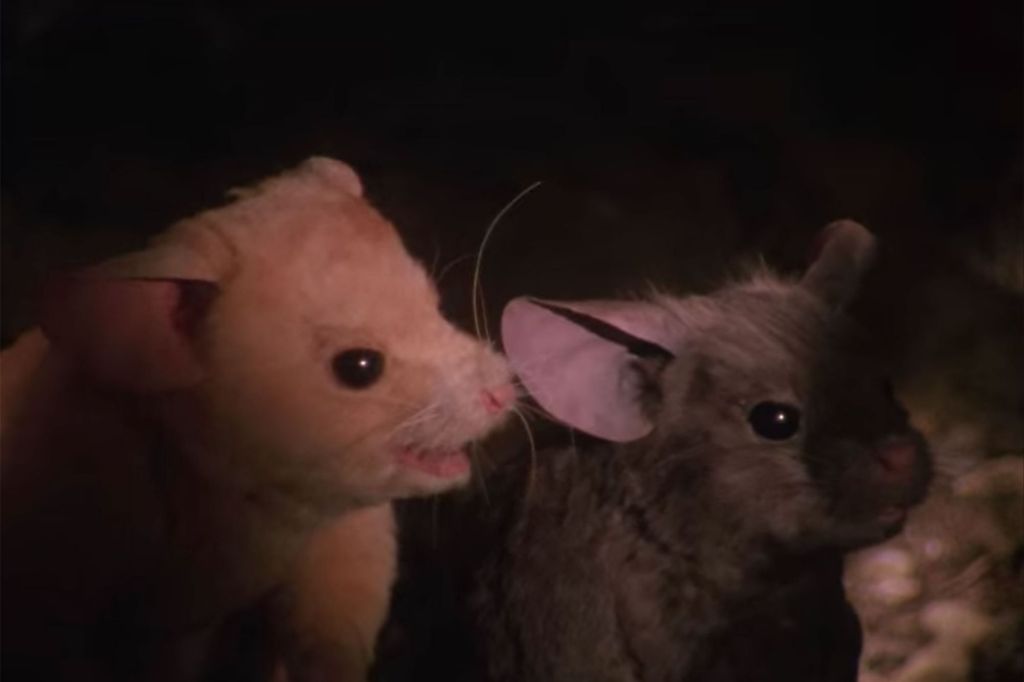
    The film loses steam once the mouse transformation happens. By today’s standards, the “mousecapade” section feels slow and static. Director Nicolas Roeg, best known for Don’t Look Now (one of the best and dullest horror films of the 1970s), brings striking cinematography but not much momentum. Jim Henson’s studio did the effects, and it shows — the witch makeup is brilliant, but the mice barely move.

    Realizing Henson’s studio was involved gives The Witches some weight in cinematic history. It’s often described as “intensely frightening,” though today’s kids — raised on Harry Potter and The Lord of the Rings — would find it pretty tame. What ultimately holds it back is its small scale.

    There was a 2020 remake directed by Robert Zemeckis, starring Anne Hathaway as the Grand High Witch. It’s technically longer but adds no substance. IMDb reviewers called it “needless” and existing for “no good reason.” Hathaway’s wandering accent doesn’t help — part Russian, part Scottish, part… something.

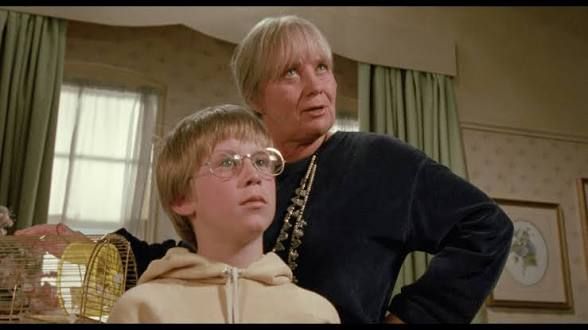
    The acting in the 1990 version is otherwise strong, except for Jasen Fisher as the boy. He has that vague, untrained-kid energy common in early ’90s movies. My friend Josh pointed out he looks just like Macaulay Culkin, which only made me wonder why Culkin wasn’t cast instead. He would’ve worked great. Roeg probably just said, “Can you read these lines without tripping? Great — you’re a mouse!” Everyone else, though, is Harry Potter-level casting.

    So, who should watch The Witches in 2025?

    I go by the Goosebumps rule: those books were perfect for my inner eleven-year-old, but by twelve I’d already outgrown them. No respectable parent should show The Witches to a child under nine — but that’s exactly who will love it most. They’ll be just traumatized enough to think it’s great.

    A pretty good movie, but its usefulness today is limited.

    7/10