Category: Movie reviews

  • Day 1: Dead Calm (1989)

    Goal: Find a move that might actually scare me.
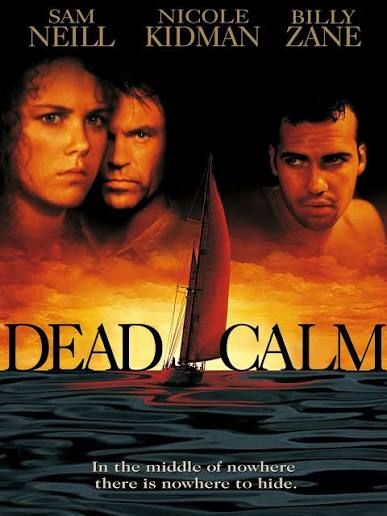
    For October, I came up with a system: every day I pick a new goal, call it a ‘theme-of-the-week,’ and then track down a movie to match.

    Day 1

    Goal: find a movie that will actually scare me.

    Dead Calm (1989)

    What I know about it:

    I watched this on HBO when I was about 14 years old. I came in after it had already started and only caught about 20 minutes. I remember recognizing Sam Neill as “the guy from Jurassic Park” and nothing else. I had no idea who Nicole Kidman was at the time. I’m guessing it’s Australian?

    From what I pieced together, it’s about a couple sailing on a boat through very isolated waters. They meet a visitor who seems friendly at first but turns out to be nefarious. I remember thinking, this is scary. I don’t want to watch the rest of this now if it’s actually good. I wanted to see it from the beginning, but I never did. The premise also says something about them going out to sea “after a tragedy,” which I completely missed.
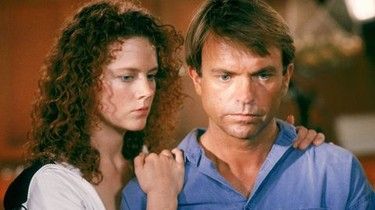
    Shortly after I started watching it this time:

    I remembered, this was too scary to go back to. It was intimidating to me.

    After the movie:

    Watching this movie at age 44 is akin to seeing the hill outside my grandmother’s old house and expecting a mountain. The idea of Dead Calm is terrifying. I don’t like the thought of being alone in the middle of the open sea and encountering a stranger that might be dangerous. But this has problems that keep it from seeming in any way true.

    First is the coincidence problem. The central coincidence (every film should have only one) is that the stranger’s ship is sinking at exactly the right moment so that Rae and John Ingram (Nicole and Sam) find it while it is still above sea. But the whole movie is full of coincidences. A character falls into a wall, which causes a spear gun to fall on top of them. The water in a ship causes the microphone to short right after the last message of importance. Characters shoot each other blindly and hit perfectly. They step into strange environments and find the perfect piece of evidence immediately.

    This is one of those movies. It feels like there is little natural logic. The world is at the whim of a screenwriter who is in “and then THIS happens, and then THAT happens” mode. I much prefer the “yes, and…” philosophy of screenwriting. “This happens. And so this happens.” Natural cause and effect.

    Case in point: at one point Rae (Nicole Kidman) picks up a knife to use as a weapon. Hughie (Billy Zane) sneaks up behind her, and Rae pretends she is cutting a lemon. He curls up behind her and shows her how to properly cut the fruit. Of course this guy is ready and able to properly explain how to cut a lemon.
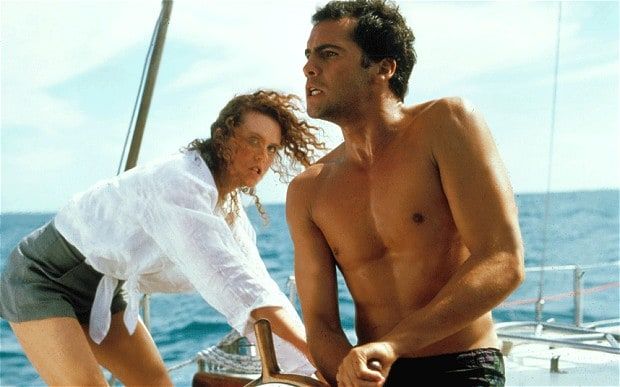
    But — a lemon? They say earlier in the film that they haven’t seen another boat in weeks. How large is the refrigerator in the galley? They don’t have a bottle of lemon juice, they have actual lemons? What are they eating, anyway? What else doesn’t make sense? (Kind of everything…)

    My neighbor said it best: “That movie wasn’t as good as I expected. I kept expecting something to be on the other boat.” Another character, maybe? Dead Calm has scares and an ominous sense that the worst possible thing is going to happen, but it wastes opportunities to really ramp up the tension.

    This is very much a movie of its time. It is the kind of movie that is aching for a remake, and it kind of has one. Michael Haneke liked this basic premise so much he made a movie and then made it again. That one is on land, though, which would no longer work in our modern world. Someone working with AI tools could think of ways to expand the constraints and scope of the story.
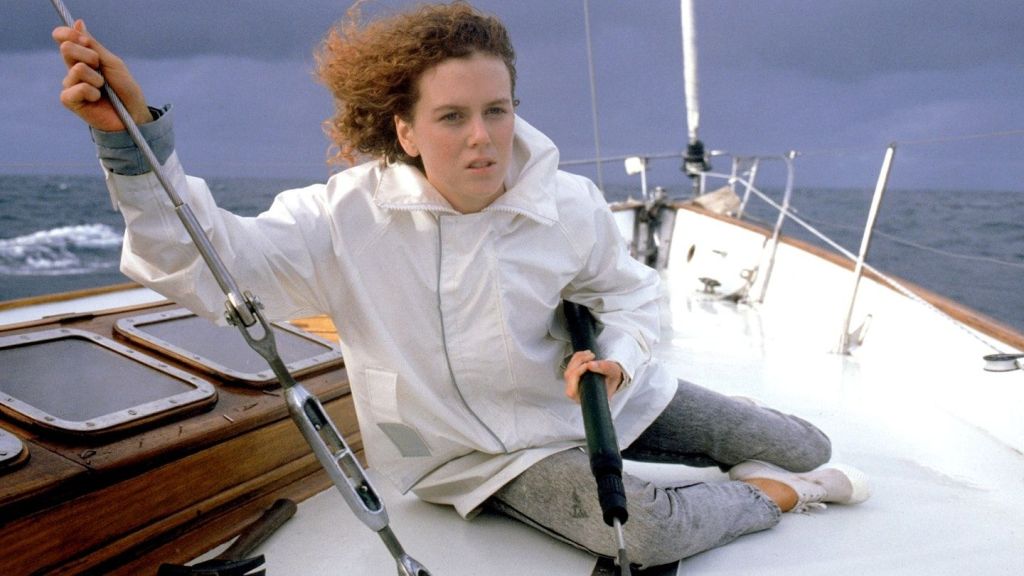
    A few genuinely great things. While the script is slightly hokey in execution, the direction is not. Philip Noyce provides an excellent ear and eye for detail. The cinematography and editing show master craftsmanship, and the score is just about perfect. The movie deserves to be remembered for one thing and one thing only. This is Nicole Kidman’s show, and part of me wonders how this role somehow existed and that she got the part. It is the type of role she would kill to get after being an A-list actor for decades. This is the type of role that seems written specifically for a Meryl Streep caliber actress.

    Overall, not scary. But compared to Babygirl, which I just saw and thought was a much stronger movie, this has the better performance.

    6/10
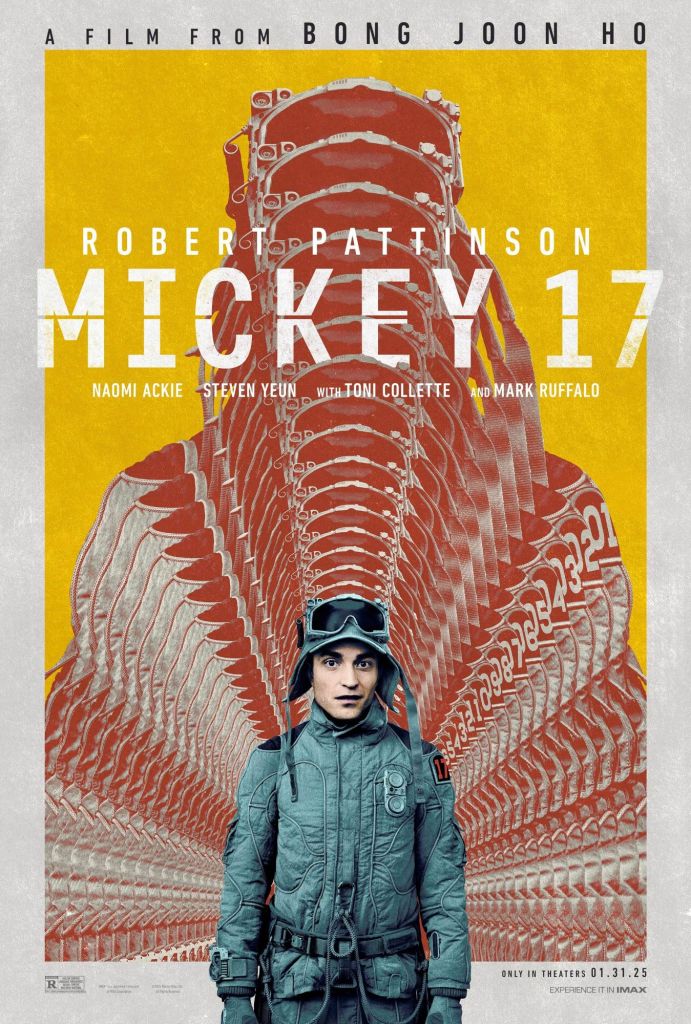
  • Mickey 17 (2025)

    Similar, but nothing familiar.

    One of my movie ideas 20 years ago was going to be an interstellar journey very similar to Mickey 17. It was about a machine that could clone a human mind, put it into a machine, and send it into space far, far away. These clones would go to a dangerous planet to save the president’s daughter, and the best person they could find for the job was a college professor not prepared to have the speed and strength of a T-800.

    They made five of these robots, and when one died, the memories were sent back and inserted into the next machine. When the professor completed the job, he dies in a sacrificial gesture and returns with no memory of what he did deep in space, but he can analyze the data and figure out what choices he likely made and why. “Huh. I don’t think I could have done this any better myself.”

    If this idea — sort of John Carpenter’s Escape From New York via James Cameron’s Avatar and Terminator — had been turned into Bong Joon Ho’s Mickey 17, how happy would I be with the final product? What type of grade would I give myself?

    Firstly, Mickey 17 is an original idea that doesn’t seem quite like anything else I have seen, even in my imagination. A few movies that informed this one: Looper, The Edge of Tomorrow, Arrival, and Pitch Black. What genre does that sound like? Sci-fi? Sure, but is it funny? Scary? Intense?

    Mickey 17 is a very satisfying drama that teased being a true genre picture, but Bong Joon Ho does not push it in that direction. His first theatrical motion picture after his “best film of the twenty-first century,” Parasite, has him returning to Snowpiercer and Okja mode.

    Based on a novel, Mickey 17 probably had him saying, “Cute alien monsters. An icy planet? These are my tropes. I can do this.” The marketing gave me the strong impression this would be a thriller/horror — one where a multitude of Mickey Barnes would duke it out in a battle royale, Hunger Games-style. But the actual story is small.

    Mickey is an expendable, a worker who doesn’t realize the position means dying over and over again. Someone higher up goes to the ice planet to save his flamethrower but leaves him to die — it’s not in the budget to save them both. Mickey 17 miraculously survives and returns unscathed. This now makes Mickey 17 and Mickey 18 “multiples,” which, because of politics and religion, makes them eligible for permanent deletion. No more clones. Just death.

    Hollywood would be salivating over turning this premise into a thriller spectacle, but Bong resists anything YA-novel-ish. It feels very literary in execution, as if a novel was deemed unfilmable and he just wanted to shoot it as is. Bong actually made a lot of changes, but overall it felt like a story most fun to read, savoring Mickey’s prose before finding where the plot lands next.

    The best part is the characterizations. Robert Pattinson, Toni Collette, and Mark Ruffalo all give extremely affected, almost stilted performances, considering who we know they are. But I can’t point to another character like the total sum of their personalities or what they represent.

    The movie is extremely nuanced, and Bong avoids a single cliché or archetype when painting a world of colorful, believable characters. The same goes for the supporting cast. This world feels applicable to modern workplace situations. It’s easy to imagine saying, “You are such a Mickey,” or “Our boss is such a Kenneth.” The premise isn’t 100% believable or logical, but there is real wisdom behind how the characters interact.

    Robert Pattinson has come a long way as a performer. Mickey speaks like Ray Liotta in Goodfellas, explaining the ins and outs of being an expendable with a strange but memorable Brooklyn accent. He commits from beginning to end. It’s not transformative acting, but it’s unforgettably distinct.

    The performances and ideas in the script are the best I’ve seen this year. To be honest, my old script idea was more obvious studio shock than this (though I might still turn into a Hollywood screenplay one day). The mechanic of taking the “extra lives” part of video games and inserting it into philosophy still excites me, but Bong Joon Ho reminds me: “Make something truly new if you can. Actually be happy with what you did, for yourself.”

    It took five and a half long years after Parasite (almost) swept the Oscars for him to release a kinda funny movie about clones and cute alien monsters. Mickey 17 might be a B+ of a movie, but it’s one I’ll reference for many years.

    8.5/10

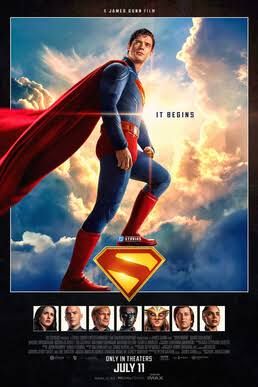
  • Superman (2025)

    Maybe if we gave him a cute dog, that would help?

    Superman has had a rough 21st century. We used to think he was the only superhero that mattered. Back in 1992, I read part of The Death of Superman and thought, Wow. This is some mega weird stuff. Can this possibly be earned? I tried reading it cold, but the sheer pileup of details left me bewildered. Halfway through, I admitted, “This sure is cool,” then shut the comic and never returned.

    Watching James Gunn’s Superman (2025) gave me that same feeling. His approach is to skip the backstory, skip the origin, and just plunge us in. Suddenly there’s a Superdog, robots in the Fortress of Solitude, an unusually honest relationship with Lois Lane, and even Supergirl flying in. The villains aren’t streamlined either.

    What has always made sense to me about Superman is simple: Clark Kent came from Krypton, which made him invulnerable on Earth, and he could fly because of the gravity difference. Mythic, clean, logical. Now here comes a villain whose hand turns into a spinning buzzsaw. Who is she? Does this character have any story at all?

    I looked it up: she’s The Engineer, a.k.a. Angela Spica. In the lore, she served in the army, was gravely injured, and got noticed by Lex Luthor. He rebuilt her with nanites — microscopic machines that can reconfigure her body into programmable metal, like the T-1000 in Terminator 2. On paper, that’s a solid origin. But how much of that backstory makes it into this movie? Absolutely none. She just appears at Luthor’s side, her hand turning into a blade because it looks cool. Casting a sympathetic actress is the only hint that she might not always have been evil.

    I skipped the Zack Snyder era. From the outside, those films looked joyless, and if Gunn’s movie is this desperate to course-correct, maybe they really were. Snyder was never the right choice anyway. Nolan could balance absurdity, self-seriousness, and spectacle into something resembling art. Snyder, the guy who made 300, was never going to walk that line with Superman. Did we really need to see him slugging it out with Batman in what looked like a truck-stop men’s room? That was the big payoff?

    The last Superman movie I saw before this was Superman Returns (2006), and I really didn’t like it. Supposedly a direct sequel to Superman II, it cast 23-year-old Kate Bosworth as Lois Lane, suddenly the mother of a five-year-old. (She was apparently 18 when Superman left Earth.) Did people actually like this movie? Superman was a godlike voyeur, eavesdropping on every conversation on Earth, while Lex Luthor, villain realtor extraordinaire, finally achieved his dream of building a Kryptonite continent that would sink the world’s coastlines. Real estate. Yawn.

    By then, my stock in DC superheroes couldn’t have been lower. Wonder Woman (2017) was the first sign they could still get one right. Gunn was clearly hired to do for Superman what Taika Waititi did for Thor in Thor: Ragnarok: break him down and reintroduce him as fun. But while Waititi’s absurdity produced one of Marvel’s crown jewels, Gunn’s film feels more like a WB-themed screensaver.

    Take the ending. Superman sits in the Fortress of Solitude, surrounded by robot attendants, watching a Kryptonian home movie while Iggy Pop’s “Punkrocker” plays. Iggy sings, on repeat, “I am a punk rocker, yes I am.”  You can almost picture Gunn pitching this exact scene to WB: stylish needle-drop, warmth, nostalgia, cool factor. And it is appealing — until you think about it. The Fortress is supposed to be Superman’s retreat, the place where he wrestles with loneliness and the burden of saving the world. “Punkrocker” is ironic fluff, a song about being punk without rocking at all, wrapped in cheerful synths like a hug from your older sister. It’s clever, but does clever fit Superman? And beyond that: if Iggy Pop exists in this universe, what does that say about Metropolis and Superman’s Earth? Did anyone even ask that question? At Marvel, someone would have.

    Rewatching Superman (1978) and Superman II, I was struck by how those films were both spectacular and modest, stories simple enough for kids but mythic enough for adults. DC hasn’t known what to do with the character since. Superman (2025) doesn’t feel like a movie at all. It feels like a Cliff’s Notes guide to a Superman show that ran for two unseen seasons. It isn’t a trailer for the movie. It is the trailer.

    I want to know what actually happened. Where is the movie?

    5.5/10

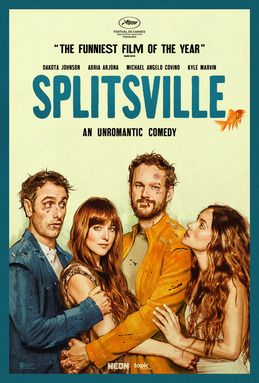
  • Splitsville (2025)

    A surreal, funny, and slightly chaotic warm-up for future giant Michael Angelo Covino.

    Is it possible to be happy while you and your partner are clearly heading to splitsville?

    That’s the question at the heart of Michael Angelo Covino’s second feature, a film about four good people (well, three and a half) struggling with traditional fidelity. Each character is grown yet surprisingly inexperienced, caught between wanting more from their partner and bracing for what happens when that partner moves on.

    Of course, that premise alone doesn’t explain why this film premiered at the Cannes Film Festival. Splitsville is surreal, bravura filmmaking. Covino takes the idea of a relationship in decline and asks: What if Splitsville were an actual place? What would it look like?

    Life in Splitsville is deceptively serene, yet shocks lurk at every corner. Car accidents, brawls, incidents with the law, even fires punctuate the landscape. Just as destabilizing, though, are the quiet tremors in relationships—emotions threatening to bubble to the surface at any moment.

    And if there’s one thing the film never forgets, it’s to be funny. Action scenes drag on far past comfort, with intent, and the movie delights in setting up expectations only to veer sharply off course. The IMDb lists the nudity level as “severe,” and if the sight of an unremarkable, non-erect penis offends you, consider this your warning. One member makes repeat appearances—comic relief when maybe least expected.

    Splitsville feels rooted in mumblecore, recalling the Duplass brothers or Joe Swanberg’s Happy Christmas. But Covino isn’t interested in fly-on-the-wall realism. He smooths out the genre’s rough edges and perhaps parodies it, creating something both more mainstream and more cinematically ambitious. The result feels closer to French absurdist comedies of the ’60s and ’70s—think Blier’s Get Out Your Handkerchiefs or Buñuel’s The Discreet Charm of the Bourgeoisie—but with the kind of gonzo set pieces Scorsese might secretly agree to direct.

    Still, it plays like a warm-up lap for Covino rather than the main event. It’s witty and energetic, but a little slight and long-winded compared to contemporaries like Sean Baker (Anora) or Ruben Östlund (Triangle of Sadness).

    The cast is uniformly strong—except for Dakota Johnson, the film’s marquee name. Marketed as its centerpiece, she’s instead the weak link, playing what feels like a variation of her usual role. Too prim and flawless for the messiness the film celebrates, she seems miscast. By contrast, Kyle Marvin and Adria Arjona shine as the central couple. Marvin feels like a Seth Rogen shorn of stoner shtick—an everyman capable of working any job—while Arjona recalls a young Salma Hayek, approachable and magnetic. They both feel like people you’d actually want to hang out with, yet not quite like anyone we’ve seen on screen before.

    Ultimately, Splitsville is well-made, funny, and visually exciting—worth the trip to the theater even if it doesn’t reinvent the wheel. What it does do is remind us that Hollywood’s hit-making machine could use a new set of tires.

    7.5/10

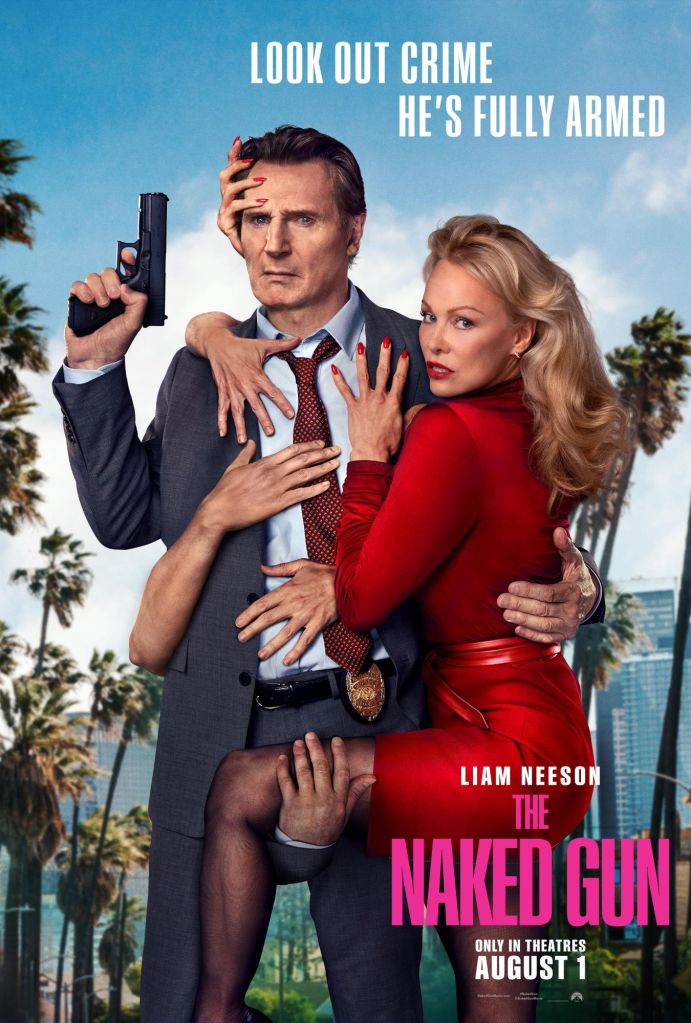
  • The Naked Gun (2025) movie review.

    Is this the Marx Brothers of the modern age?

    From the trailer:

    “What do you want, little girl?”

    “I’m not your little girl. I’m Liam Neeson in a little girl mask. Want to dance?”

    Cue Neeson enacting frontier justice — ripping off appendages and beating people with their own arms. (Paraphrasing.)

    Who greenlit this movie? An outwardly funny comedy for adults, in 2025? I scrambled to list five other comedies from this decade that worked for me in this genre: Strays, No Hard Feelings, Bros, Champions, Bottoms. None set the world on fire — and that’s exactly the point.

    This project’s roots stretch back to 2009, when Paramount toyed with a direct-to-TV fourth Naked Gun. Alan Spencer was hired to salvage what sounded like a doomed sequel, with Leslie Nielsen attached. The plan collapsed when Nielsen’s role was cut, then he passed away.

    Later, Thomas Lennon and Robert Ben Garant (Night at the Museum) drafted a reboot with Ed Helms. David Zucker declined to join, saying the tone strayed too far. Zucker himself wrote a parody sequel (The Naked Gun 444 1/4: Nordberg Did It, later Naked: Impossible), a spoof of Mission: Impossible that briefly had traction before the industry moved on.

    In 2021 Paramount turned to Seth MacFarlane, who’d long wanted Liam Neeson in the lead. With MacFarlane producing and Akiva Schaffer (The Lonely Island, Hot Rod) directing, the project finally clicked.

    The result is an easy movie to root for, though it feels like a relic of another era. Neeson had dabbled in comedy before with MacFarlane’s A Million Ways to Die in the West, but his late-night “serious tough guy as a punchline” persona makes him a natural here. Pamela Anderson looks like stunt casting, but she’s got experience skewering her bombshell image — from the failed Barb Wire to the self-aware late-night press tour that followed.

    The difference from the original trilogy is clear: The Naked Gun (1988) built out a full world of characters spun from a TV show. This 2025 version plays closer to late-night sketch comedy. Imagine Conan O’Brien’s Oscars monologue stretched into a feature. If you liked the 2025 Academy Awards, you’ll recognize the cadence.

    My favorite gags are when the film leans into “Yes, and…” character absurdities. Drebin meets a femme fatale, Beth Davenport, who writes books about ordinary people solving crimes with uncannily correct hunches. The irony lands, especially with villains. And Neeson’s Drebin Jr. inherits his dad’s clumsiness — even worse behind the wheel. Yelling “Get out of the road!” at pedestrians on the sidewalk is a highlight, as is the inventive string of GPS-related disasters.

    The downside? Too often the movie feels built around trailer moments rather than a story. Big gags land harder in a promo than in the film. That’s the MacFarlane effect: at his best (American Dad), he grounds characters in a world of competing rights and wrongs. Here, he doesn’t always extend the same care.

    One low point: Drebin and Beth are spied on with heat-vision goggles. The movie nods to the trope’s worst offenders (Chris Cooper in American Beauty comes to mind), but doesn’t decide whether the characters should believe the ruse. It just hangs there.

    Still, The Naked Gun (2025) is silly, sometimes too broad for its own good, but undeniably funny. The trailer may have been the silliest ever cut, but there’s enough in the full film to justify the revival. The original Naked Gun remains endlessly quotable and prescient; this one feels like a small miracle in 2025, even if it would’ve been ho-hum thirty years ago.

    7/10

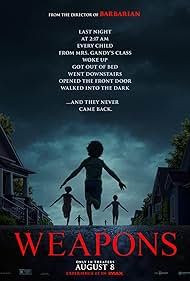
  • Weapons (2025) movie review

    Zach Creggor’s latest taps into many of the most expected small town fears.

    Early in the movie Arrival, the feeling of fear seemed very familiar. When Louise (Amy Adams) walks into her classroom to teach at her prestigious university, only a handful of students are present. Didn’t you hear? Alien spaceships are hovering over our largest cities. The human race might be done.

    Sigh… everyone go home.

    As Arrival was to 9/11, Weapons is to Columbine, or perhaps Sandy Hook. Early in the movie, there is a town hall meeting for all of the parents of the students who ran out the front door in the middle of the night into the darkness and haven’t been seen since. They were all from the same classroom, which drives the parents to dabble in conspiracy theories. Witchcraft?

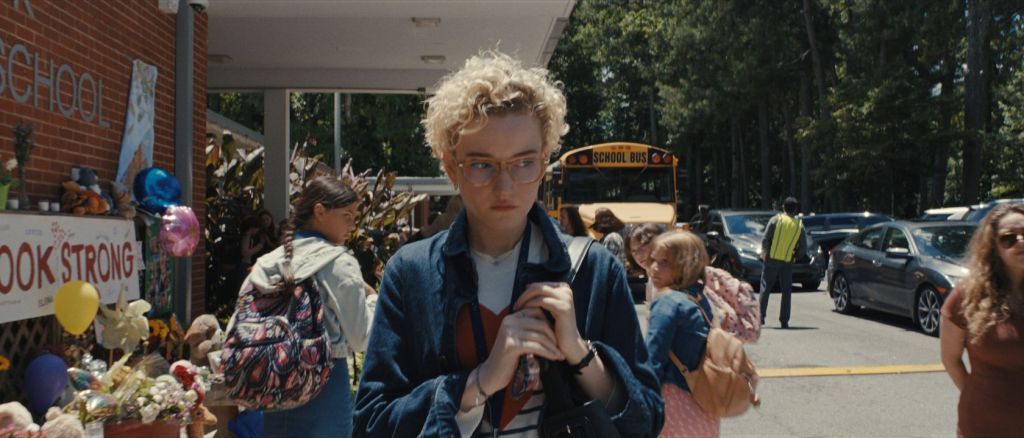
    Julia Garner as Justine, one of the many lead characters that swap in and out in Weapons.

    The principal invited the teacher of the classroom, which quickly becomes a notable mistake. “Why is she here?,” exclaims Archer (Josh Brolin), as he explains, rather ignorantly, why she is the only plausible explanation for what happened. If there is one thing I know about town hall meetings from TV shows (Parks and Recreation), it’s that they tend to groupthink themselves into the lowest common denominator.

    The characters, who swap in and out as leads across a half-dozen overlapping stories, are rough clichés for this type of suburban town—which is probably the point. Everyone is drawn quickly and given a quirk or two, but there’s nothing to anyone that makes them feel like more than archetypes. This story could happen anywhere, we come to believe.

    The villain here is likely to be referenced among horror movie buffs as one of the best of the twenty-first century so far. Does the occult really work like this? How does one acquire the capabilities of a level 16 wizard? Could no one roll a die and escape the cold grasp of a terrifying lich that seems to acquire whatever they want?

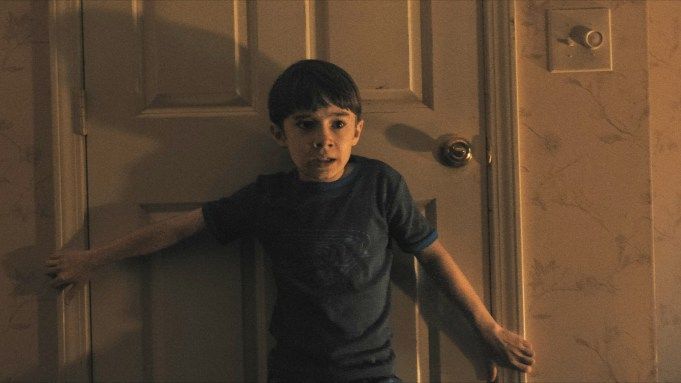
    Cary Christopher as Alex. Terrified of terrifying?

    The movie doesn’t quite make sense. The biggest problem is the ease with which Archer triangulates the exact location of the destination point that the kids ran to in the middle of the night. He knows the degree by counting the number of concrete slabs the kids ran over. The problem? All of the kids ran out the front door and then straight ahead. What is the likelihood of that? Every kid’s house pointing directly to the same center point? It’s as though everyone built their home so they could walk out the door and be inspired by the emperor’s glorious house on a hill. City planning doesn’t work that conveniently for amateur sleuths trying to solve an implausible mystery.

    Nonetheless, Weapons is atmospheric and extremely satisfying. The split narrative works well, showing several different characters, flaws and all, in ways that overlap and converge unexpectedly. I thought of Doug Liman’s Go mixed with Sidney Lumet’s Before the Devil Knows You’re Dead. I hope that reads like high praise, because it is. Director Zach Cregger almost convinces us that this silly premise contains a story that needed to be told. I don’t believe the evils of the world work this way—but this movie made me feel like they could, and that’s what makes it linger.

    7.5/10

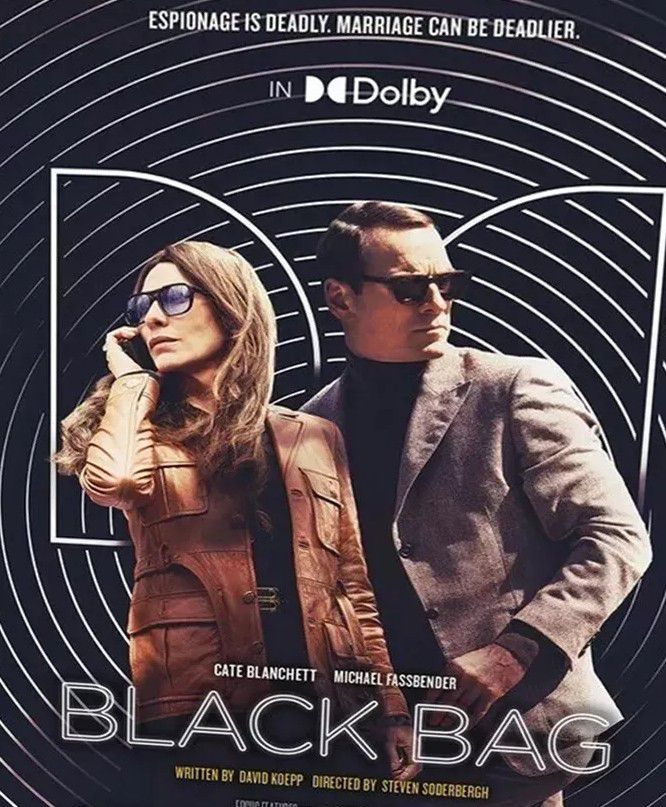
  • Black Bag (2025) movie review

    Good scenes, but does it work?

    A ridiculously absurd collection of scenes that play like solid screenwriting exercises trapped inside a plot that makes absolutely no sense. I imagine David Koepp came up with the general premise—a female CIA operative manipulates everyone around her, and her husband, also an agent, is willing to do anything to protect her—and then spent hours using AI to research technical details. The result? A screenplay that feels overly economical, rushed, and oddly truncated.

    The film is packed with strange scene ideas, clichés galore, and absurd character dynamics. Why do these agents work together, see each other as psychological patients, and also party together like college roommates? Michael Fassbender’s character gets everyone to take polygraph tests just because he’s the main character, apparently.

    Everything feels too written. The entire movie takes place over a week, with title cards announcing each day—“Monday,” “Tuesday,” “Wednesday,” etc.—in a way that distracts more than it adds. Koepp knows how to write a great scene, but this script is proof that writing great scenes isn’t the same as writing a great screenplay.

    I understand why Cate Blanchett took the role: it gives her mystery, intelligence, presence—she is the film’s center. And I get why Fassbender signed on too—it’s probably the best role he could land post-scandal. But it’s also telling that no other A-listers are in this. Everyone else feels like filler, characters written to fill a scene rather than a world.

    Not a worthless movie. But definitely a frustrating one. A weak premise that could’ve been done much, much better.

    Rating: 5.5/10

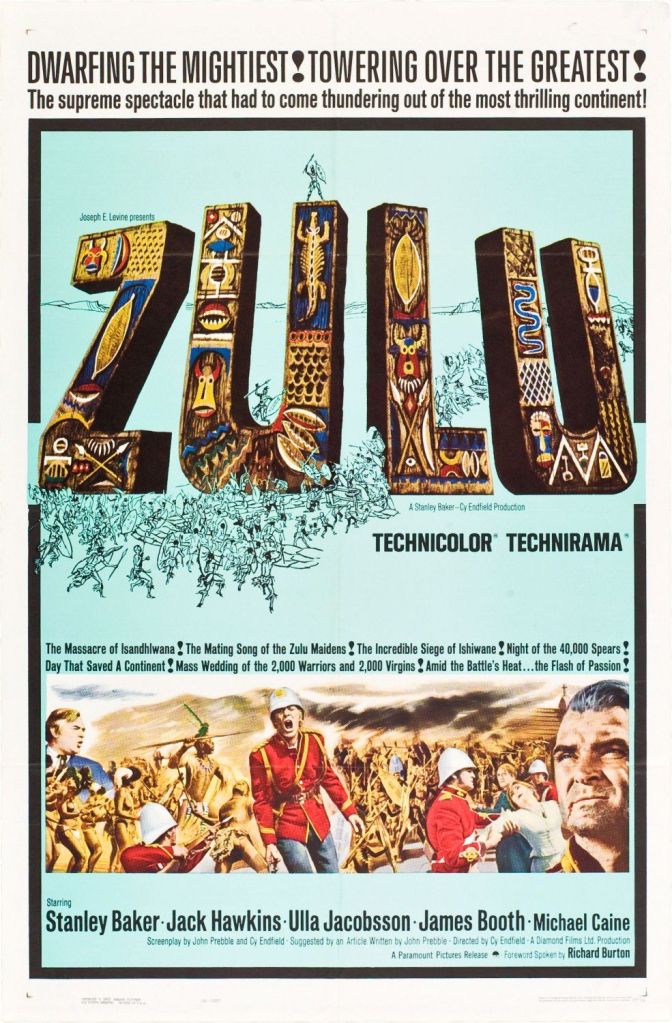
  • Zulu (1964)

    My 27 Movie A-Z Film-a-thon: Day 27.

    Zulu (1964)

    I’d like to think a great war movie could be made about the Battle of Rorke’s Drift—but Zulu (1964) isn’t it.

    In history videos on YouTube, Zulu warriors are always portrayed as one of the most fearsome and disturbingly ferocious forces you’d never want to find yourself at odds with. I was hoping to see a good reason here for why that is. Why wasn’t I shown that?

    Almost nothing in Zulu is realistic or historically accurate. The filmmakers present a sanitized and implausible depiction of what actually happened. The movie tries to romanticize Zulu culture as being more about art and admiration than actual victory in war. There are large dance and singing sequences that seem really cool to see on film—until you find out they were written by composers for the movie. I studied primitive cultures’ music in college (my degree is in music), and I don’t know why Western filmmakers feel the need to evolve or improve what actually existed. For instance, modern takes on Native American tribal music always wind up sounding like 20th-century Japan to me.

    I’m not going to say Zulu is historically useless—it does a few things right, mostly just by existing at all. You get to see thousands of modern Zulu extras dressed like their great-great-grandfathers and wielding accurate-looking spears and shields. A lot of it just looks cool, and you do learn a few surprising details. For instance, the Zulu brought many guns to the battle, but they were outdated and the warriors were poorly trained in their use. The reality is they only might have hit a few British soldiers—almost by accident. In the movie, it seems like dozens of British soldiers are constantly dying and falling on top of each other.

    The movie opens with a real head-scratcher of a sequence. A British missionary and his daughter observe a Zulu wedding ceremony. The daughter keeps asking questions: Why would a young woman marry an older man? The answer: in Britain, younger women marry rich older men all the time. Maybe a Zulu woman wants a brave older man. Isn’t it awful that they don’t wear clothes? Her father responds with one of the best lines in the movie:

    > “The Book says, ‘What went ye out into the wilderness to see? A man clothed in soft raiment?’ You must understand these things if you’re going to stay in Africa. That’s why I brought you here. They are a great people, daughter.”


    Then the scene ends… absurdly. The daughter suddenly freaks out, rushes back to the carriage, and starts screaming like she’s being chased—even though no one’s threatening her. A man stands at the door. She continues to scream while getting inside. He says something in Zulu to the other warriors. Then—seemingly out of nowhere—another Zulu warrior stabs the man at the door. The carriage rides away and a hundred Zulu give chase for about 50 feet. This is never brought up again.

    This didn’t really happen. It seems to serve no narrative purpose except to suggest that a British woman couldn’t handle being around non-white people and would get hysterical on a whim. Then a Zulu warrior stabs one of his own, seemingly out of confusion. So in one swift scene, the movie manages to be both racist and misogynistic—all for the apparent logic of “you can’t open a movie with just an hour of dialogue where nothing happens. Kill someone!” “Okay, Mr. Producer.”

    It’s a real flaw that the movie is only told from the British perspective. There’s no context for why the Zulu were fighting the British at all. The setup is basically: “We were just living here, minding our own business, when thousands of Zulu came up to our door and started threatening us.” The truth is, colonial Britain was one of the most evil regimes in history—and we don’t get to see even a moment of what the Zulu were fighting for.

    The film tries to balance out that lack of perspective by framing the battle as one of mutual admiration and respect. But in truth, the British actually won this battle—and it took a lot of effort and smart fighting to do it. In the movie, the Zulu suddenly retreat for no good reason. They then linger to perform a fabricated “salute song” that seems to say, “We respect you. We have proven ourselves. Now we’ll leave you be.” So… the Zulu actually won the battle and then chose to walk away? Absolute hogwash. Not only does it make no sense, it makes the ending feel so anticlimactic it’s hard to understand why the film was made at all.

    And yet—I can’t hate this. It looks great. It’s about a period of history we almost never see on screen. That’s likely because you can’t make a movie about 1800s colonial Britain without making them look like the bad guys—because they were the bad guys. But Britain today is too cuddly to confront on screen, and no country really has the cultural appetite to take them on now.

    Germany, maybe:

    > “Wanted: hundreds of British actors for a movie that will show how terrible you all are.”

    I’d buy a ticket.

    6/10

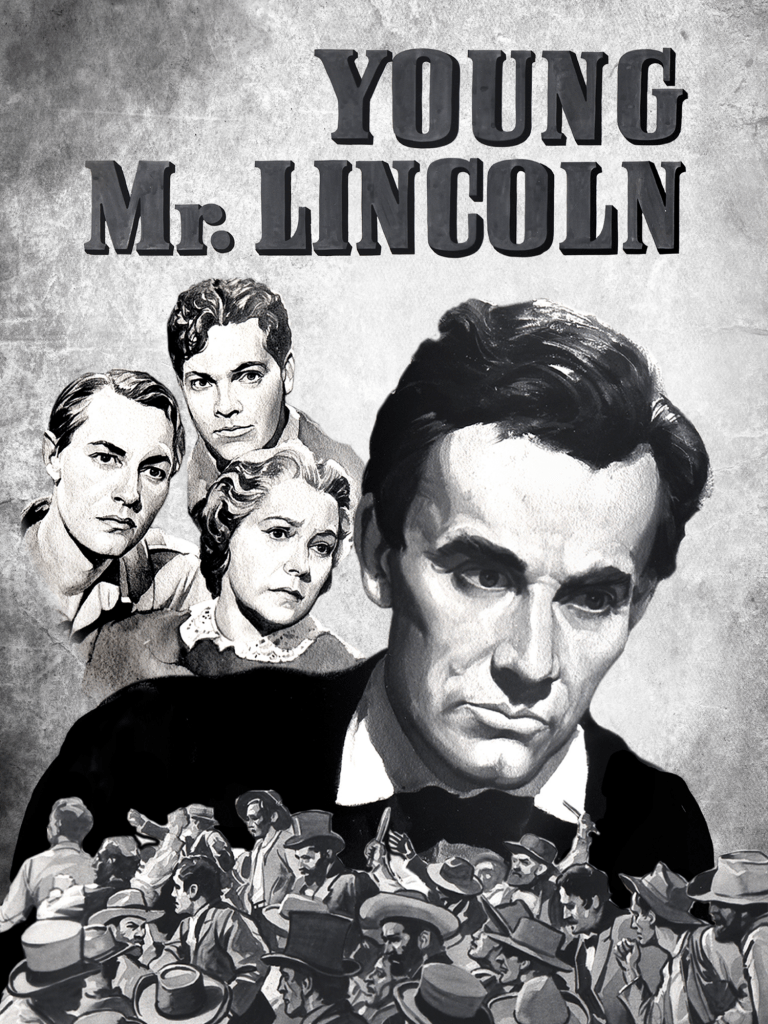
  • Young Mr. Lincoln (1939)

    My 27 Movie A-Z Film-a-thon: Day 26.

    A box office bomb. This was the second film John Ford released that year, after Stagecoach, yet it had almost three times the budget. I watched Stagecoach recently, and this one is certainly the more memorable film. It portrays Lincoln as a bastion of sensible earnestness—always trying his hardest to solve disputes, to mediate.

    The easiest comparison is To Kill a Mockingbird, with Abraham Lincoln as Atticus Finch. It’s possible Harper Lee never saw this before writing her literary monument, but the similarities are striking. This feels like a prototype for most courtroom movies and TV shows in the 85 years since—for better or worse.

    It’s very well made in terms of boosting a well-known political figure into the realm of cultural hero. For a movie that openly embraces mythologized biography, it’s surprisingly accurate. There were at least five details I didn’t realize were true about Mr. Lincoln. If this really was his early life, it deserves a full biography.

    Directed by the masterful John Ford, this is in another league of quality compared to To Kill a Mockingbird. The story itself isn’t the strongest element—Lincoln really did teach himself to be a lawyer, and he once won a murder case by submitting a Farmer’s Almanac as evidence. The trial portrayed isn’t historically accurate, but the details are rooted in real events.

    This is a story about a man who tries to do what’s right, only to find himself in situations where the right thing is murky or even impossible. Being virtuous and fair can be one of life’s hardest callings. When he defended murderers, he often wasn’t sure if they were innocent or honest.

    A John Ford level of polish elevates this film from forgettable to a treasurable gem. The music is lush and nostalgic, the dialogue is sharp, and the characters are worth knowing.

    Based on a poem, the film is a great tribute to a man who changed the world slowly, one step at a time. I know it’s largely myth, but I can’t help it—I’m now convinced this man was our nation’s greatest president, and likely always will be.

    8/10

  • X (2022)

    My 27 Movie A-Z Film-a-thon: Day 25.


    If someone made this movie as their final project for a class called “How to Make a Horror Movie,” it would probably squeak by with an A-. There’s nothing wrong with it, per se, but it doesn’t do anything new. It’s continuously interesting and vaguely entertaining, mostly because it understands the bones of what works in slasher films and uses well-worn tropes in textured ways that avoid feeling overly familiar. But once it’s over, you have to wonder: is this movie actually saying anything?

    The movie works, don’t get me wrong—but what was it going for? Are we supposed to be afraid of going to a farmhouse in the country to film a sex movie? That’s not a relatable fear. If someone goes missing, should I now fear walking around barefoot in my underwear? The characters get themselves into situations so far removed from normal life that the scares don’t land.

    The villains are the weakest part of X. They aren’t intimidating, smart, sadistic, or even overtly twisted. They’re only scary because they suddenly gain superhuman strength and agility without explanation. Should we now be afraid of running into an old man who resents us for making his wife want to have sex with him? That’s the basic premise here. It’s kind of delightful in its uniqueness, but it doesn’t tap into any universal fear.

    The first 80% of the movie feels like it could’ve been the third entry in Tarantino and Rodriguez’s Grindhouse. But it fails to go all the way. No big moment is established for payoff. On the poster, Mia Goth is holding an ax with both hands—this set me up for a blood-soaked revenge finale. That never comes, and I felt underwhelmed.

    The biggest flaw is the lack of a secondary villain. If the older couple had a son who showed up, someone truly intimidating or warped, the third act could’ve had real stakes. It’s hard to care when the only interesting characters are the good guys—and they all die too early.

    There are great moments, especially in how much these young people love making a porn film. They seem to know what they’re doing. Martin Henderson does his best Matthew McConaughey and gets so excited about a scene he puts another guy’s hand on his erection. Ti West’s attitude toward pornographers is oddly wholesome, maybe even too much so. If I could transplant the sex stuff from X into Zack and Miri Make a Porno, that could’ve made for a cult masterpiece. Likewise, if X had any kind of love story, it might have felt more complete.

    I watched this after seeing Pearl, and Pearl is the star-making piece of trash X probably wanted to be. Its setting is more distinct, Mia Goth gets a more layered character, and the central idea—ambition turned to madness—is more familiar and grounded. I wasn’t alive during the end of WWI, but I felt like I could run into someone like Pearl. I found myself squinting at strangers thinking, “Is this a Pearl?”

    In X, they tried to make Mia Goth the lead first—but why? Her character doesn’t do much, isn’t particularly compelling in the sex scenes, and isn’t clever. She just sort of walks around with her nipples half-heartedly covered. She’s curious wallpaper. Goth plays the part well enough, but it’s not a strong role. This team needed another film where they threw out the rulebook. X is too safe. Too academic. Pearl felt like it needed to exist.

    X ends on a clever note, a few lines that are remarkably well set up. It’s just a shame the rest of the movie isn’t much more than competently engaging. A lot of skill went into it, and yeah, I had a good time. But should you see it? Maybe—but more as a comparison piece to see what horror movies often get wrong. Ti West should be a script doctor. He could rescue a lot of movies that actually need to be made.

    7/10