Goal: Watch a foreign-language horror movie I would otherwise skip.
—
What I know about it:
I first saw The Ring on opening night in New York. Back then, I bought Entertainment Weekly’s Fall Movie Preview every year and kept a document on my computer with all my box-office opening weekend predictions through the end of the year. A weird hobby only a handful of us had. We all ended up on hsx.com — the Hollywood Stock Exchange — where you could buy pretend stock in movies you thought would overperform. You could make billions of completely useless Hollywood Dollars. Fun times.
The Ring was coming out in October, and I hoped it would be a hit, though I had no real reason to think anyone else cared. It was Naomi Watts’s first movie after Mulholland Dr., which felt like a big deal to me for reasons that still don’t make sense. Directed by Gore Verbinski, a commercial director known for making things look expensive on the cheap. The official budget was $48 million, but I would’ve guessed closer to $90 million.
The movie was fine. Scary enough. Absurd, but almost serious about it. Watching clips now, it’s clear the movie wanted to look like Fight Club. A lot of early-2000s movies seemed to have a Se7en complex — dingy greens, low light, evenly lit hallways. David Fincher should have demanded royalties.
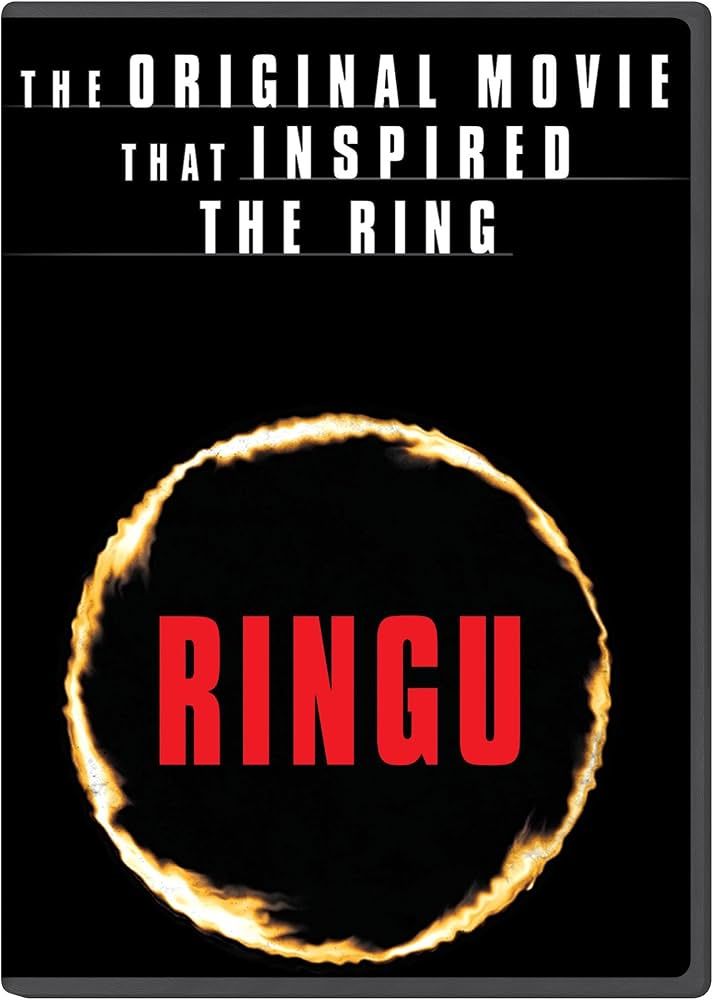
Ringu shows up in the “Best Horror Movies of All Time” conversation from time to time, though not as high as it once did. It was a real hit in Japan and had sequels before Hollywood remade it four years later.
—
After the movie:
VHS tapes were inherently creepy. For a time, I believed evil could will objects into existence — but only vaguely, and only cheap ones. A Rolex requires craftsmanship; a dusty tape labeled “Cheers ’89” is fair game for evil.
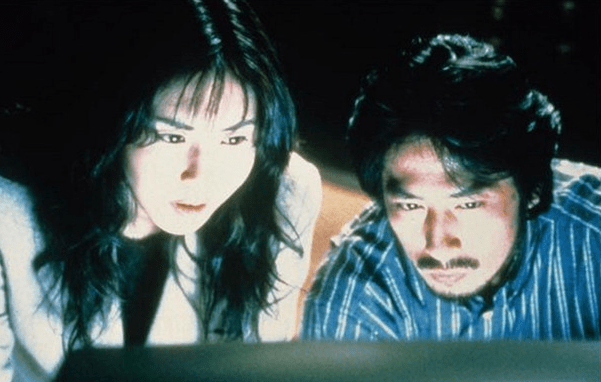
If you ever edited on VHS, you know the feeling. Scrubbing through footage frame by frame, playing with the tracking — it felt like something horrifying could suddenly appear and ruin your day. I don’t know what I expected. A serial killer? A dead relative? My aunt Edith happily posing with Adolf Hitler?
That whole category of urban legend basically died with streaming. If someone claims they saw something weird in their copy of The Sixth Sense, any college freshman can say, “Someone messed with that file. Re-download it from Vudu. It’s not there.”
This is part of why DreamWorks jumped on this story. In 2002, VHS was already dying. A mysterious DVD that kills you wouldn’t make sense. No scratches, no rental sticker — too clean. A cursed VHS is believable.
People sometimes compare Ringu to Halloween (1978), calling it the movie that kicked off a movement. I don’t see it. Halloween feels big — the score alone sounds like it cost millions. Carpenter’s theme tells you immediately: This is The Movie. Ringu, meanwhile, barely has a score, at least nothing recognizable, which makes it feel small and quiet — closer to Blair Witch than Halloween.
The movie is much smaller than I expected. The tape in The Ring looks like a surreal Super Bowl commercial; the one in Ringu looks like a local car dealership’s Halloween ad. And since most people saw the remake first, it’s impossible not to compare everything.
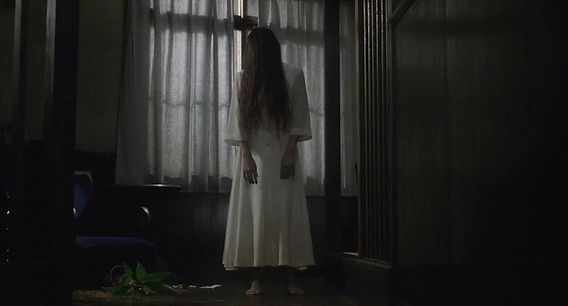
The ending is basically the same, but Ringu suggests instead of shows. No big moment — just an understated final beat.
What works is that this feels like an underdog movie that succeeded despite having almost no money. Reiko feels proper — like someone raised to be respectful and polite. Naomi Watts was strangely unlikable by comparison. I remember her sitting on a counter in her son’s classroom and thinking, “Who does she think she is? Does she have no respect?” She played a reporter who treated social norms like optional settings. Why start by having your protagonist unlikable out of the gate?
The best parts of The Ring are here, but it’s doubtful they would’ve hit American audiences without Verbinski’s water-effects, CGI, and general “big movie” polish. When I think of The Ring, I picture Samara crawling out of the TV, neck twisting, jaws unhinging, like a demonic spider. I’m probably misremembering the details, but the feeling is correct: when she wanted you dead, it seemed inescapable.
Ringu is so much smaller — almost quaint — the kind of vengeful ghost you could bring home to meet your parents. I knew the budget going in and got nervous when they were prying up a wooden fence with a crowbar.
Are they really going to damage that? That’s $5,000 in repairs!
Money is not on the screen here. It feels tiny — small enough that it’s hard to believe this kicked off a franchise, let alone a genre. But it develops its bizarre concept in a way that feels natural, with characters you can root for easily.
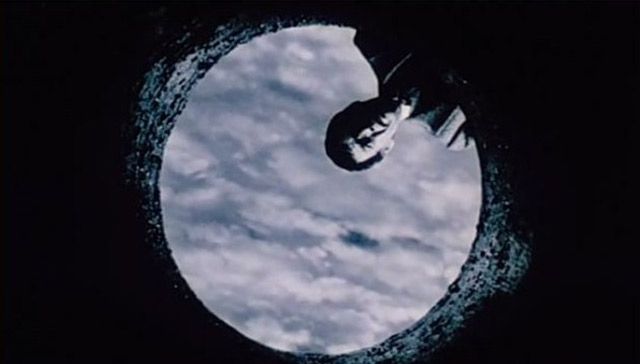
Maybe too easily — no one really does anything wrong. You might beg to differ, but by the end, I wasn’t sure what the next step was. The mystery works; the morality is muted.
The movie ends quietly, almost like a cliffhanger, as if the story only works if the sequels do. They don’t. Ringu 2 has a 7% on Rotten Tomatoes, and the franchise has now been long dormant. Final Destination, this is not.
7 / 10


 Avidavr: Media Reviews
Leave a comment